
Yukon: Canada's northwestern territory
Overview of the Yukon territory: location, geography, Indigenous heritage, Klondike Gold Rush, Mount Logan, economy, and notable features.
Overview
The Yukon is a sparsely populated territory in northern Canada. It lies north of British Columbia, west of the Northwest Territories and east of the U.S. state of Alaska. The territory is part of the country of Canada and is known for its wide, rugged landscapes, long winters and a population concentrated in a few communities—most notably the capital, Whitehorse. Many residents are Indigenous peoples (First Nations) whose cultures and languages remain important to the region.
Image gallery
10 Images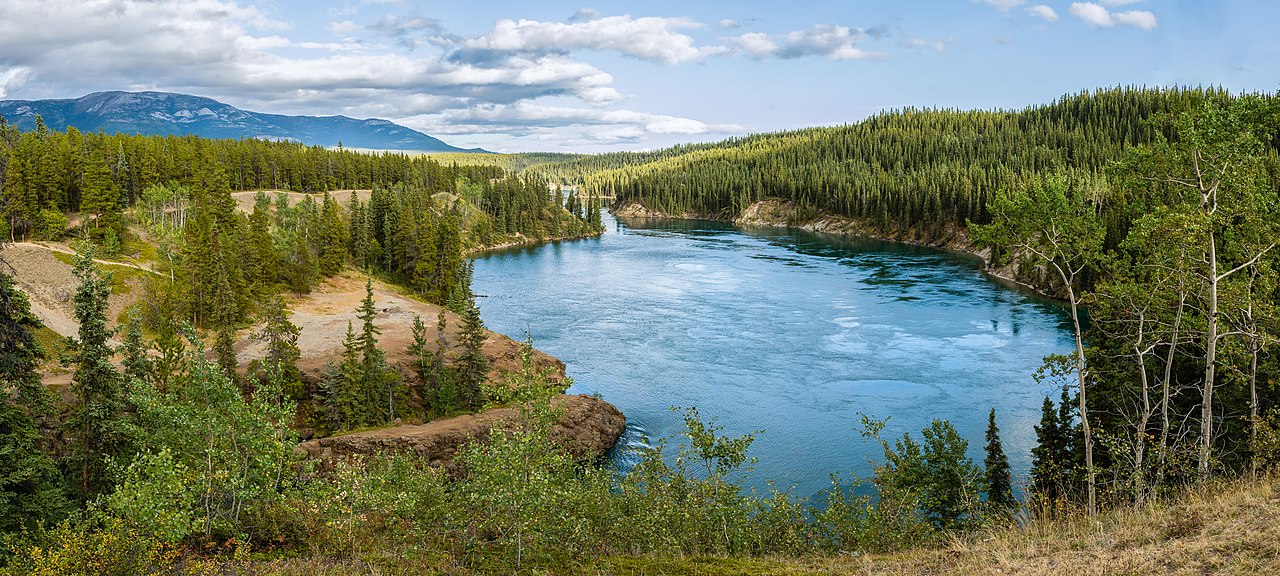





Geography and climate
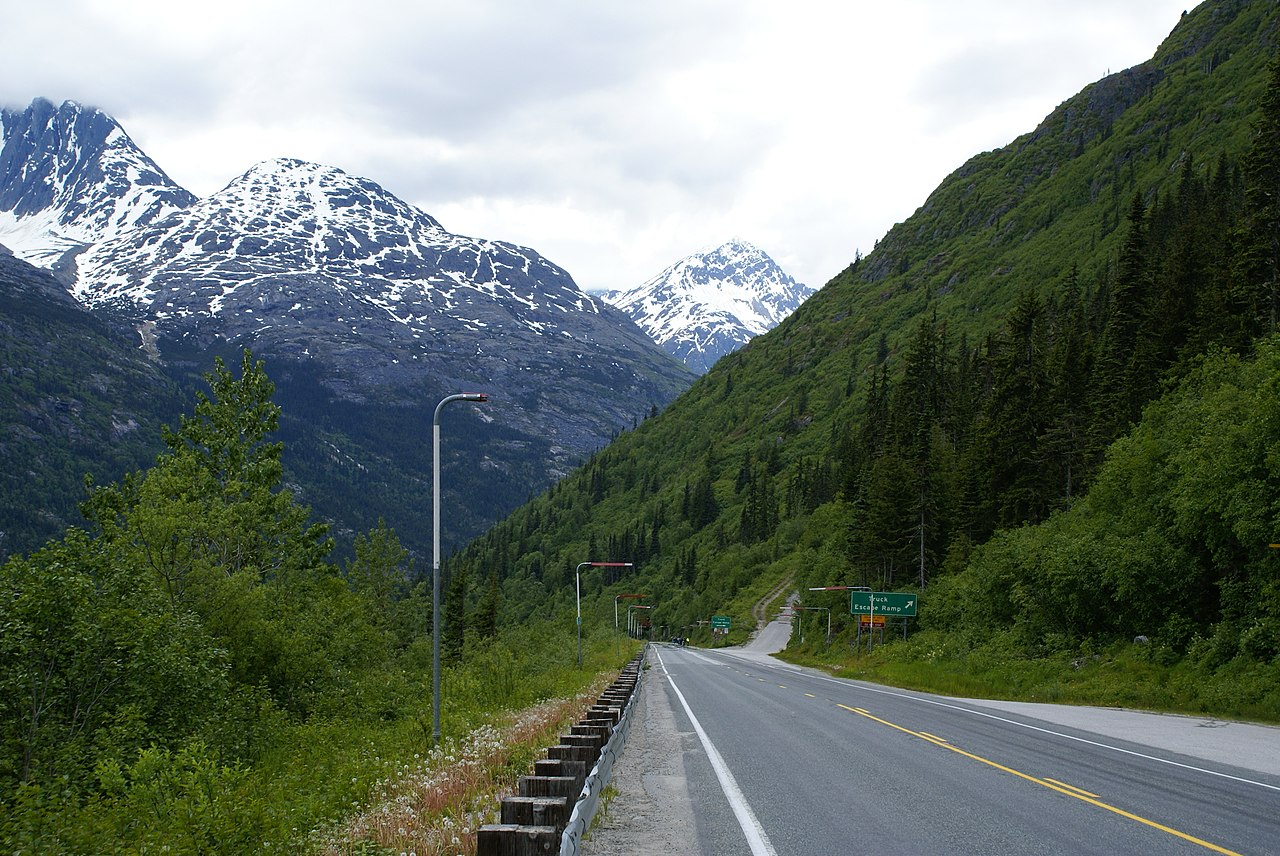
The Yukon features mountains, river valleys and vast boreal forests. It contains Canada's highest peak, Mount Logan, which rises to about 5,959 metres. Large rivers such as the Yukon River drain the territory toward the Bering Sea. Climate varies from subarctic to arctic in the north: summers can be short and relatively warm while winters are long and cold, with pronounced seasonal daylight differences and frequent displays of the aurora borealis.
History and people
Indigenous peoples have lived in the region for millennia; their groups include the Tlingit, Gwich'in, Hän and several Northern Athabaskan peoples. The name "Yukon" derives from a Gwich'in term often translated as "great river," referring to the Yukon River. The area was administered as part of the Northwest Territories until the late 19th century. In 1898 the discovery of gold near the Klondike sparked the Klondike Gold Rush, attracting thousands of prospectors and accelerating settlement and political organization.
Economy and infrastructure
Natural resources remain a major economic driver; mining for metals and minerals has long been important. Other sectors include government services, transportation, and tourism—visitors come for wilderness recreation, the history of the Gold Rush and opportunities to see wildlife and northern lights. Many communities continue subsistence activities such as fishing and hunting that are integral to local culture and food security.
Culture and conservation
Yukon's culture blends Indigenous traditions with the heritage of settlers from the Gold Rush era and modern northern life. Languages, arts and land-based knowledge are central to community identity. Large portions of the territory are protected: for example, Kluane National Park preserves glaciers, mountain wilderness and habitat around Mount Logan. Conservation and land claims settlements play ongoing roles in governance and land management.
Notable facts
- The capital and largest city is Whitehorse, where the majority of residents live.
- Mount Logan is the highest peak in Canada and a focal point for scientific and mountaineering interest; see elevation details at reference.
- The Klondike Gold Rush of the 1890s dramatically changed the territory's demography and infrastructure; its legacy remains visible in place names and museums.
- The Yukon shares borders with British Columbia, the Northwest Territories and Alaska, linking it to both national and international routes.
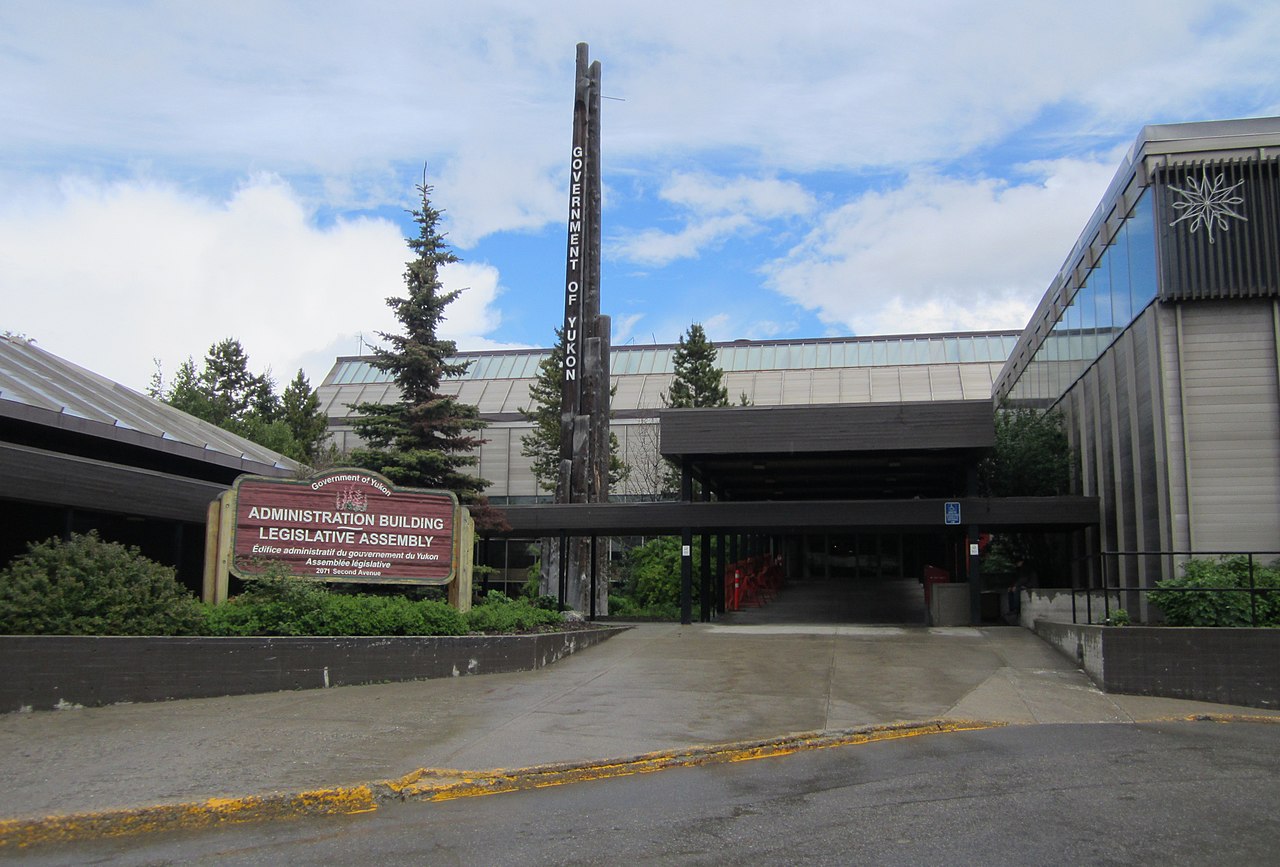
For further reading on administration, communities and natural history, consult official sources and regional museums and archives, or follow local stewardship initiatives that document the territory's environment and cultures (territorial government). Additional material and travel planning can be found through visitor centres and park authorities.
Related articles
Author
AlegsaOnline.com Yukon: Canada's northwestern territory Leandro Alegsa
URL: https://en.alegsaonline.com/art/110216