
Porcupine: the quilled rodent — appearance, behavior, and habitat
Porcupines are large, slow-moving rodents with protective quills. This article covers their appearance, quill structure and defense, distribution, diet and salt-seeking behavior, reproduction, and differences from similar animals.
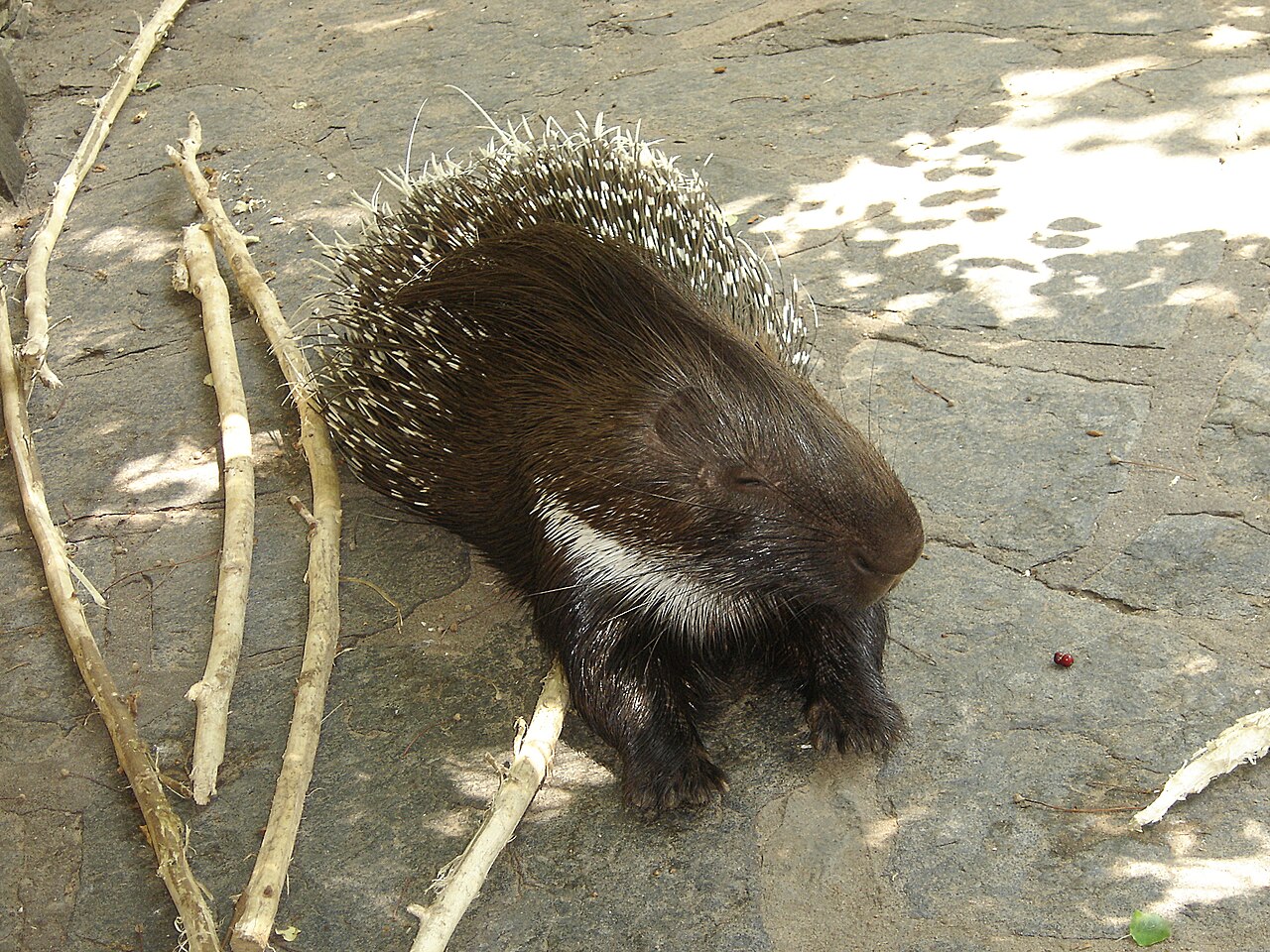
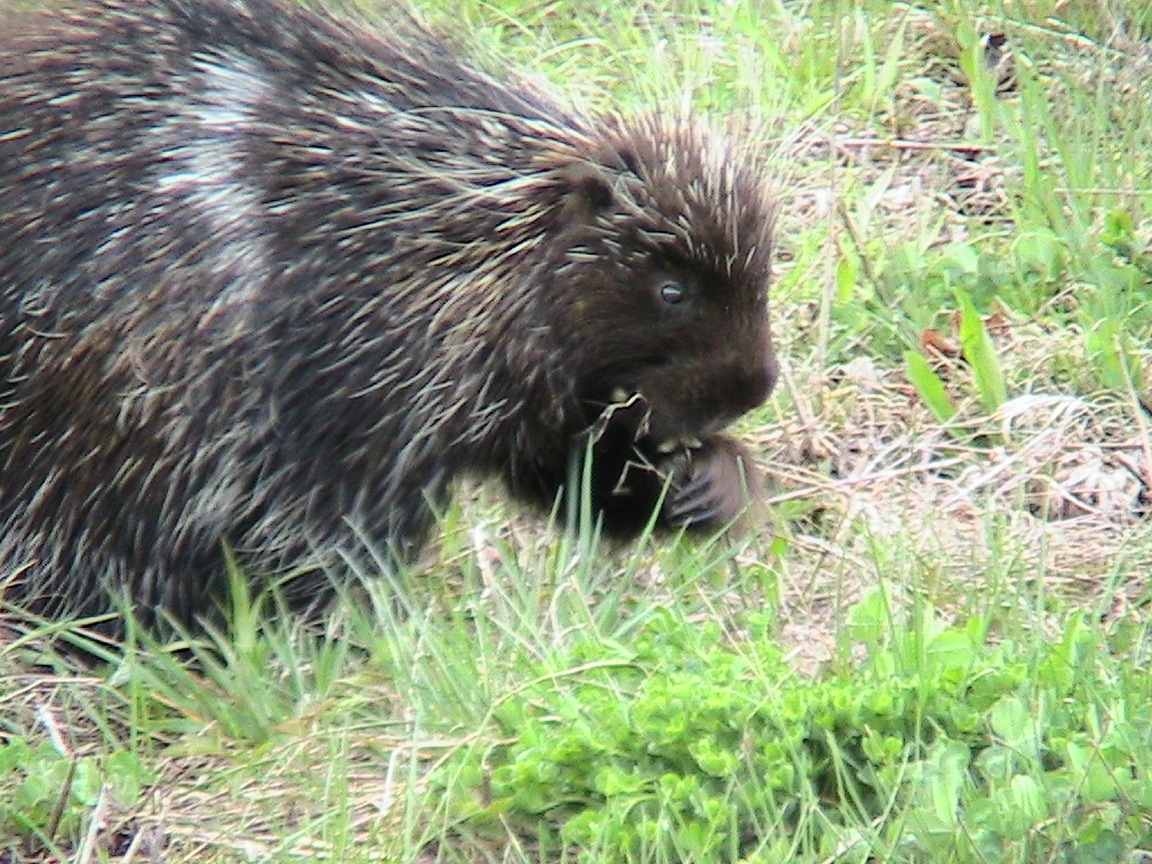
Porcupines are distinctive mammals classified among the rodents. They are notable for a dense coat of stiff spines or quills that function primarily as a defence against predators. Large and rounded in form, porcupines are among the biggest rodents after the capybara and the beaver, and should not be confused with smaller, unrelated creatures such as hedgehogs. Adult porcupines typically measure roughly 60–90 cm in body length with tails of variable length, and have a heavy, slow-moving build. Coat colour ranges from various shades of brown and grey to paler or even white individuals in some populations.
Image gallery
9 Images




Physical characteristics and quills
The animal’s most obvious feature is its quills. Quills are modified hairs with thick plates of keratin and are anchored in the skin and associated musculature, enabling limited movement. The two main porcupine families show different quill arrangements: Old World porcupines (family Hystricidae) typically have quills grouped in clusters, while New World porcupines (family Erethizontidae) mix single quills with bristles, underfur and ordinary hair. Young porcupines, called porcupettes, are born with softer quills that harden shortly after birth so that the mother is not injured during delivery.
How quills work
Quills are sharp and can detach easily from the animal, lodging in the skin of an attacker. Unlike ordinary sewing needles, many New World quills bear small, backward-facing barbs at the tip that help them anchor in flesh and complicate removal. Once embedded, quills can migrate deeper with ordinary muscle movement, and they may introduce bacteria that cause painful infection and further complications for predators or curious humans; severe cases of quill-related injury and subsequent infection have been recorded.
Distribution, habitat and shelter
Porcupines occupy a broad range of habitats across much of the world. Different species are native to parts of Asia, pockets of Europe including Italy, many regions of Africa, and large areas of North America and South America. They live in forests, scrub and grasslands; some species are adept climbers and spend much time in trees, while others are primarily terrestrial and make use of rock crevices or burrows.
Diet, behaviour and interactions with people
Most porcupines are herbivorous, feeding on leaves, stems, bark and roots; seasonal variation and local plant communities influence diet. Many porcupines show a strong attraction to salt, which they seek from natural sources such as saline soils, bark, bones and particular salt-rich plants. This propensity for salt explains why porcupines sometimes gnaw human-made objects—wood, tool handles, and even vehicle wiring—that have been contaminated with sweat or road salt. In winter regions they may be drawn to salted roadsides. Simple mitigation techniques, such as placing alternative salt licks or protecting vulnerable materials, can reduce damage.
Reproduction, social life and notable facts
Porcupines are generally solitary or live in small family groups. Mating systems and parental care vary by species, but females typically give birth to a single well-developed porcupette after a gestation period characteristic of their species. The name "porcupine" derives from Middle French porc dépine, literally "thorny pork," a reference to the animal's bristly appearance. Contrary to popular myth, porcupines cannot throw their quills; the defensive strategy relies on raising, rattling and, when necessary, embedding quills in an assailant. Quills can remain dangerous even after the animal has died, and their structure has inspired medical study of natural anchoring mechanisms.
Summary and distinctions
- Families: Old World (clustered quills) vs New World (single quills with barbs).
- Defense: passive embedding of detachable quills rather than projectile use.
- Ecology: adaptable to many habitats; some species arboreal, others ground-dwelling.
- Human interactions: attracted to salts and may damage items; can be deterred with salt licks or exclusion.
For further reading on rodent biology, habitat variation and animal defence mechanisms, consult general mammalogy texts or reputable field guides. Hyperlinks above point to related topics and geographic coverage useful for deeper exploration.
Questions and answers
Q: What is a porcupine?
A: A porcupine is a rodent with a coat of sharp spines, or quills, that defend them from predators.
Q: How big are porcupines?
A: Most porcupines are about 60–90 cm long, with a 20–25 cm long tail and weigh between 12-35 pounds (5–16 kg).
Q: What color are they?
A: Porcupines come in various shades of brown, grey, and the unusual white.
Q: What is the correct name for a baby porcupine?
A: The correct term for a baby porcupine is a porcupette.
Q: How do the quills work to protect the animal?
A: Porcupine quills are as sharp as needles and have small backwards-facing barbs on the tip that catch on the skin making them hard and painful to pull out. Quills can still penetrate animals and humans even after death.
Q: Where do they live?
A: Porcupines can live in tropical and mild parts of Asia, Italy, Africa, North America and South America in forests, deserts and grasslands. Some live in trees while others stay on the ground. They also like going near roads where rock salt has been used to melt ice or snow.
Q: What do they eat?
A: Porcupines search for salt by eating plywood cured with sodium nitrate, certain paints, tool handles footwear clothes other items coated in salty sweat as well as different salt-rich plants such as yellow water lily and aquatic liverwort fresh animal bones outer tree bark mud in salt-rich soils.
Related articles
Author
AlegsaOnline.com Porcupine: the quilled rodent — appearance, behavior, and habitat Leandro Alegsa
URL: https://en.alegsaonline.com/art/78145
Sources
- reference.com : "Reference.com"
- books.google.com : Encyclopaedia Britannica; Or A Dictionary of Arts, Sciences, and Miscellaneous Literature
- books.google.com : The Natural History of Secession
- sciam.com : "Wonders: The Needy Porcupine"
- ces.uwyo.edu : Porcupine Ecology and Damage Management Techniques for Rural Homeowners