
Porpoise: small coastal cetaceans of the family Phocoenidae
Porpoises are small, toothed marine mammals in the family Phocoenidae (order Cetacea). This article covers their appearance, behavior, habitats, threats, and key differences from dolphins.
Overview
Porpoises are small to medium-sized toothed marine mammals that live primarily in the ocean. They belong to the order Cetacea and make up the family Phocoenidae. Scientists generally recognize six species of porpoise, distinguished by anatomy, range and behavior; for an overview of species classification see species lists.
Image gallery
10 Images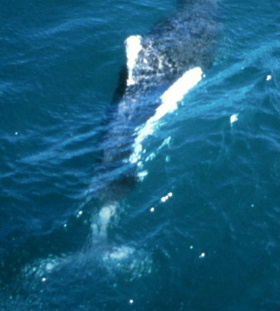



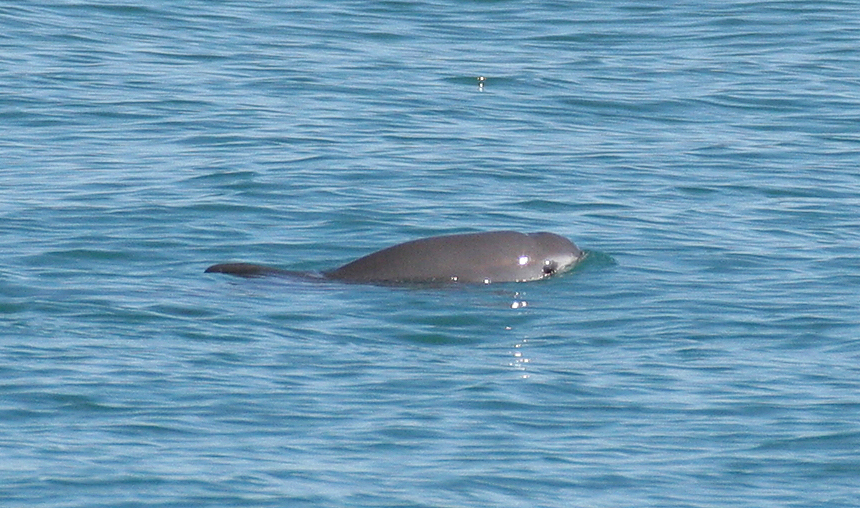
Physical characteristics
Porpoises are compact: they tend to have robust bodies, small or absent beaks, and triangular dorsal fins. Their teeth are spade-shaped rather than conical, a reliable way to tell them apart from most dolphins. Coloration ranges from slate gray to black or mottled patterns. One group, the finless porpoises, lacks a prominent dorsal fin and has a smooth back.
Habitat and distribution
Most porpoises are coastal and favor temperate or cold waters, though some occupy offshore areas. A few species tolerate or live in freshwater systems. Their distributions are often patchy and closely tied to prey availability, coastal topography and water temperature.
Behavior and diet
Porpoises feed mainly on small fish, squid and crustaceans. They use echolocation clicks to find prey and navigate, producing short, high-frequency signals. Compared with many dolphins they are less acrobatic, typically forming small groups or living more solitary lives, and they tend to avoid boats.
Conservation and threats
Major threats include incidental capture in fishing gear (bycatch), habitat degradation, chemical pollution, noise disturbance and prey depletion. Several porpoise populations are vulnerable or endangered; conservation actions focus on bycatch reduction, protected areas, pollution control and population monitoring.
Notable distinctions and importance
- Differences from dolphins: shorter snout, spade-shaped teeth, different social patterns and dorsal fin shape.
- Ecosystem role: as mid-level predators they help regulate fish and squid populations.
- Scientific value: porpoises are important in studies of marine acoustics, conservation biology and the effects of human activities on coastal ecosystems.
For general taxonomic context see the family overview and species pages linked above via the provided references.
Related articles
Author
AlegsaOnline.com Porpoise: small coastal cetaceans of the family Phocoenidae Leandro Alegsa
URL: https://en.alegsaonline.com/art/78161