
Subspecies: the taxonomic rank below species
A subspecies is a population or group within a species that is distinct by morphology, genetics, or geography. This article explains characteristics, naming, history, examples, and conservation relevance.
Overview
A subspecies is a recognized subdivision of a biological species used by taxonomists to denote populations that are distinguishable but not fully reproductively isolated. In formal nomenclature a subspecies is indicated by a third name in the Latin trinomial: genus, species, then subspecies. The concept belongs to the field of taxonomy within broader biology and sits directly below the level of species in many classification systems.
Image gallery
6 Images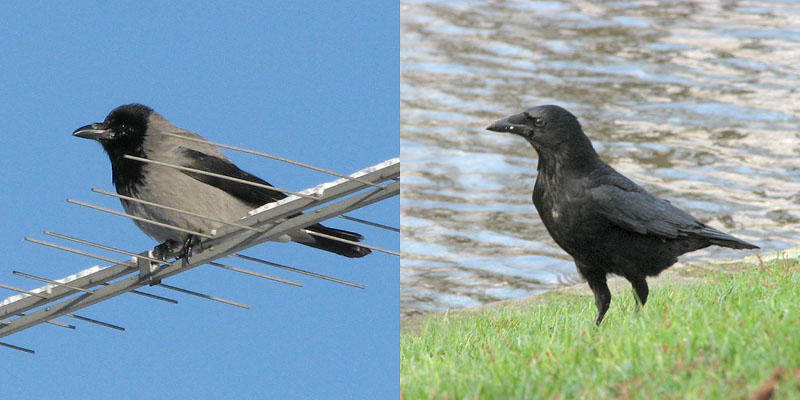


Key characteristics and how subspecies are identified
Subspecies are typically recognized on the basis of consistent differences that can include visible traits, genetic markers, and geographic separation. Distinguishing features may be evident in external appearance, such as coloration or size, or in molecular data like mitochondrial or nuclear DNA sequences. Taxonomists consider whether populations are diagnosable (have fixed or frequent traits), whether they occupy different ranges, and whether gene flow between them is limited but ongoing.
- Morphological distinctions: repeated physical differences between populations.
- Genetic evidence: consistent allele frequency differences or unique haplotypes.
- Geographic separation: distinct ranges or habitat types with limited mixing.
- Partial reproductive isolation: interbreeding possible but uncommon or reduced.
History and naming conventions
The subspecies concept has its roots in 19th-century natural history and was shaped by the recognition that evolution (evolution) produces gradual change across space and time. Formal naming follows international codes: animal names are governed by one code and plants by another, and in botany the abbreviations subsp. or ssp. are frequently used before the subspecies epithet. In zoology the abbreviation may be omitted in formal trinomials; the rules and their application vary among taxonomic groups.
Uses, importance, and conservation
Recognizing subspecies can be important for conservation planning and legal protection because distinct populations may face different threats. Conservationists use subspecies or similar concepts (distinct population segments, management units) to prioritize actions, maintain genetic diversity, and manage translocations or captive-breeding programs. In agriculture and horticulture, naming lower-level taxa helps describe domesticated forms or regional varieties that have agronomic or cultural significance.
Distinctions and notable facts
Not every species is subdivided into subspecies; many species are treated as monotypic. Subspecies differ from other infraspecific ranks: in botany a variety or form is sometimes used for smaller or different sorts of variation. Where ranges meet, intermediate populations (clines) and hybrid zones often occur, reflecting continuous evolutionary change rather than sharp boundaries. When the subspecies name repeats the species name it denotes the nominate subspecies, the population that includes the type specimen.
Examples
- The domestic dog, often treated as Canis lupus familiaris, is widely cited as a subspecies of the wolf (animal example).
- Tiger populations are commonly divided into regional subspecies such as the Bengal and Siberian tigers (animal example).
- Plants may show regional subspecies recognized for consistent local differences (plant example).
For further reading on how subspecies are applied and debated in modern science, consult introductory materials in taxonomy and general treatments in biology. The practice continues to evolve as genomic data provide finer resolution of population structure and evolutionary history.
Related articles
Author
AlegsaOnline.com Subspecies: the taxonomic rank below species Leandro Alegsa
URL: https://en.alegsaonline.com/art/94517