
Papyrus: ancient Egyptian writing material and reed product
Papyrus is a layered writing material made from the Cyperus papyrus reed, developed in ancient Egypt from the 3rd millennium BC and used across the Mediterranean for documents, art, and everyday goods.
Overview
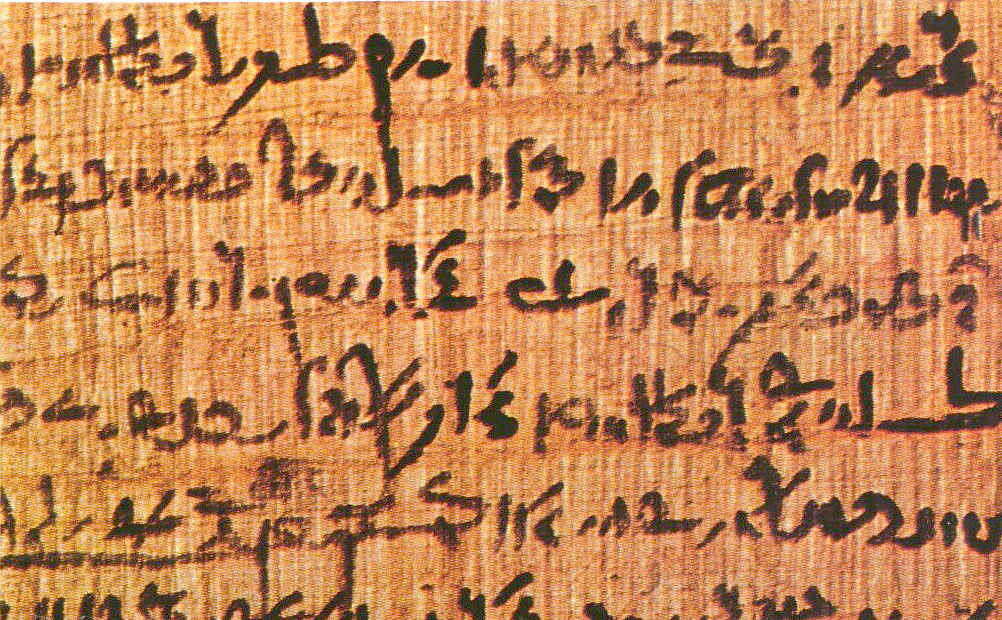
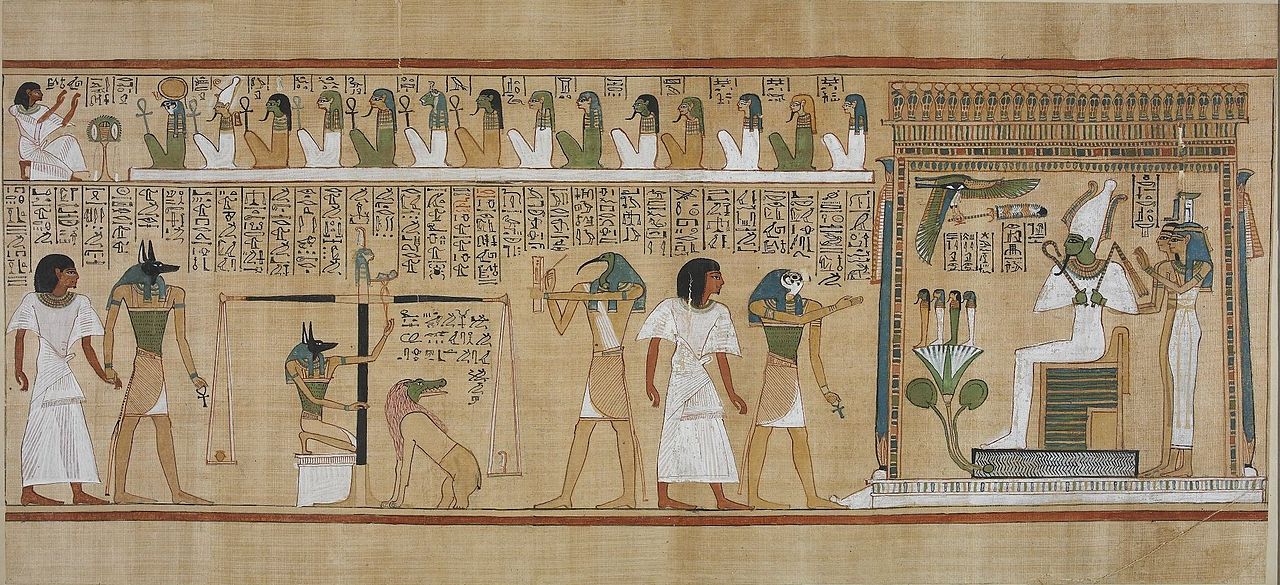
Papyrus was the primary writing substrate of ancient Egypt and a widely traded material in the Mediterranean world. Though often called a kind of paper, papyrus is technically a composite sheet made from the pith of a marsh plant rather than pulp. It enabled the recording of religious texts, administrative records, private letters and literary works and helped preserve aspects of daily life that survive in the archaeological record.
Image gallery
10 Images



Plant and manufacture
The raw material for papyrus comes from a tall aquatic reed, Cyperus papyrus, which thrives in marshy areas along the Nile and similar wetlands. Cultivated stands and managed plantations produced stems with a spongy pith. Traditional manufacture involved slicing the pith into thin strips, laying them in overlapping layers—usually perpendicular—then pressing and drying them to form a single sheet bonded by the plant's natural juices. Sheets could be joined into long rolls for continuous texts.
History and geographic spread
Papyrus was developed in Egypt by at least the 3rd millennium BC and is closely associated with Ancient Egypt. Surplus production made it an exportable commodity and the material spread to neighboring cultures. Greeks and Romans adopted papyrus for official records and literature. Over centuries it competed with other writing supports such as parchment; eventually, paper made from pulped fibers became dominant in many regions.
Uses and examples
- Writing and art: rolls, sheets and fragments used for documents, lists, literature and illustrations (writing).
- Everyday goods: the whole plant was versatile: people fashioned boats, mattresses, rope, baskets and sandals from stems and fibers.
- Architectural and ritual uses: mats and coverings appear in tomb scenes and craft descriptions.
Legacy and distinctions
Papyri discovered in dry Egyptian sites have provided unparalleled primary sources for historians, linguists and literary scholars. Unlike modern manufactured paper, papyrus sheets retain a visible fibrous structure and were normally produced in rectangular formats suited to scrolls. Their durability depends on arid conditions: many ancient manuscripts survive only because they were kept in dry tombs, rubbish heaps or sealed archives. Today papyrus is also reproduced as a craft and educational medium, and the plant itself remains an emblem of earlier Nile civilizations.
For more introductions and images, see general resources on writing materials and ancient Egyptian crafts at paper history portals and museum overviews (Egyptian collections, writing collections). Additional studies explore cultivation (plantation methods) and archaeological finds from wetland and desert sites (Nile valley, marshland, Cyperus papyrus, early chronology, reed morphology).
Related articles
Author
AlegsaOnline.com Papyrus: ancient Egyptian writing material and reed product Leandro Alegsa
URL: https://en.alegsaonline.com/art/74467
Sources
- dictionary.reference.com : Papyrus Definition