
Writing: systems, history, materials and uses
Overview of writing as a visual system for recording language: types of scripts, historical development, common materials and tools, functions in society, and distinctions from speech and other visual marks.
Overview
Writing is the systematic representation of language by visible marks on a surface or display, using a set of conventional symbols that other readers can recognize. Unlike speech, writing does not require sender and receiver to share the same time or place; it stores messages, supports long-term record keeping and enables communication across distances and generations. To use writing effectively people must learn the script and conventions of a given writing system; that competence is commonly referred to as literacy.
Image gallery
10 Images





Characteristics and types of writing systems
Writing systems vary widely in how they represent language. Some key distinctions include alphabetic systems, where symbols generally represent individual sounds (letters); syllabaries, where signs stand for syllables; and logographic systems, where characters represent words or morphemes. Some systems, such as abjads, primarily mark consonants and leave vowels to context. Beyond these structural differences, orthography governs spelling, punctuation and other conventions. Scripts are independent of the spoken language they record: the same alphabet can be adapted to multiple languages, while a language can be written with different scripts.
History and development
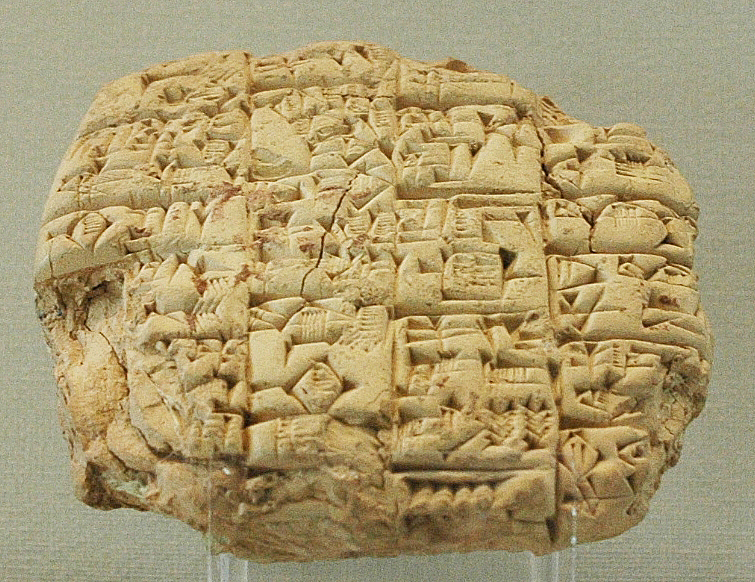
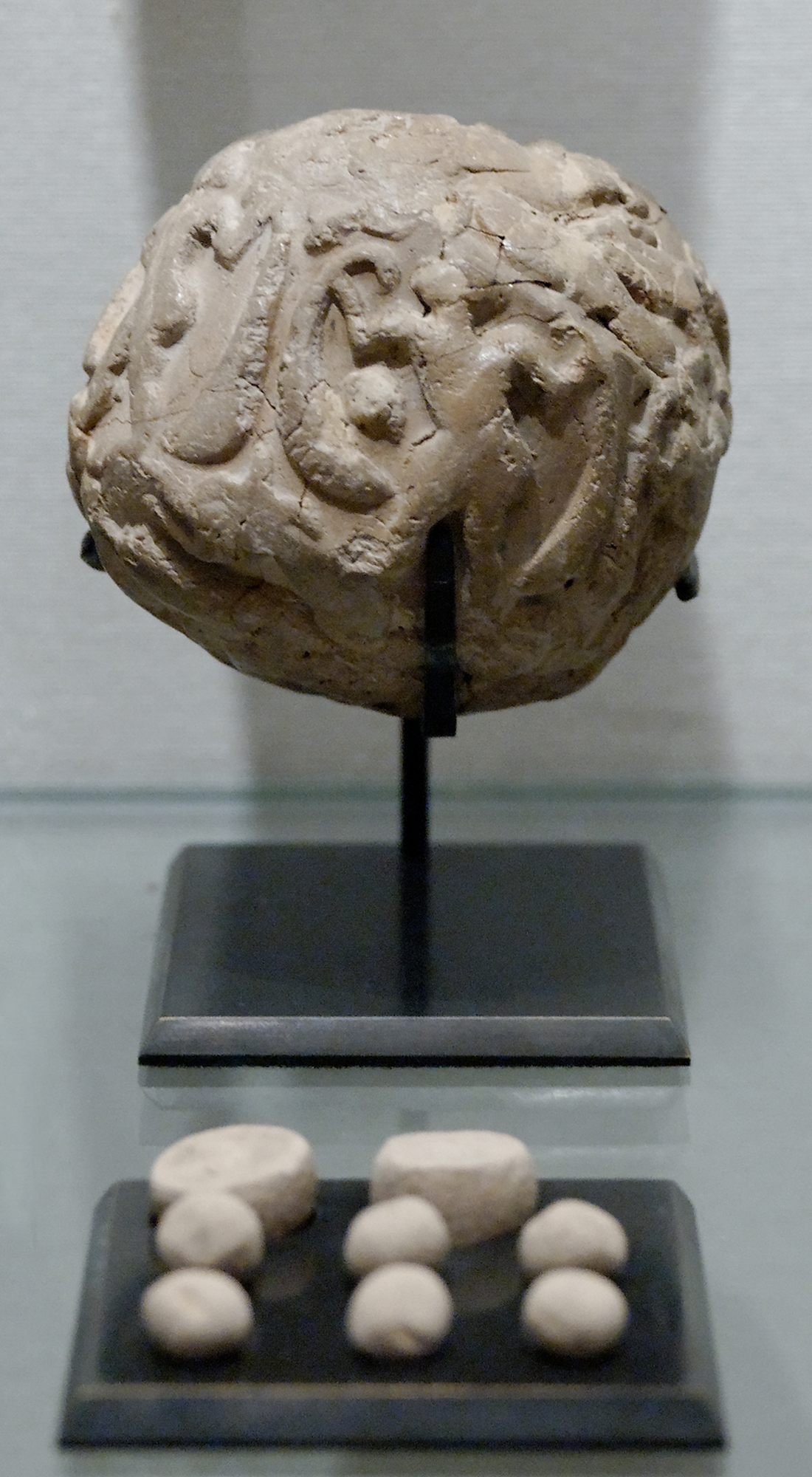
The earliest widely accepted evidence of writing appears in the ancient Near East, where clay tablets carry signs used for bookkeeping and administration. Independent forms of writing emerged in other regions as well. Over centuries, writing evolved from simple lists and records into systems capable of recording complex narrative, legal, religious and scientific works. Major technological shifts—the invention of durable ink media, the production of paper in East Asia, the development of movable type for printing and, in modern times, digital typesetting and electronic displays—have repeatedly expanded the reach and speed of written communication.
Materials and tools
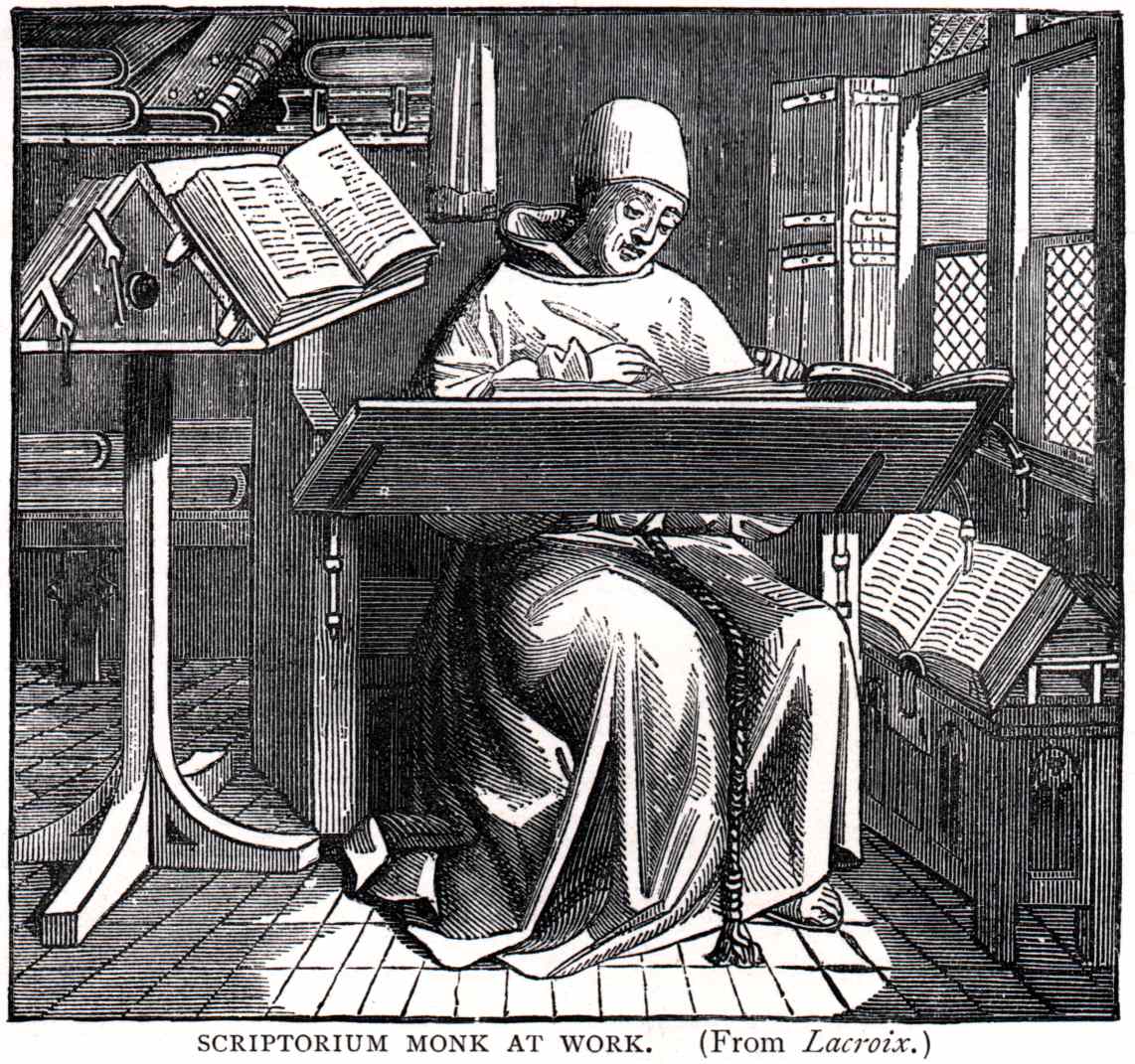
Throughout history people have used a wide range of supports and instruments. Common supports have included clay and stone, bark and wood, papyrus and parchment (treated animal skin), and various forms of paper. Today most writing is created on paper or on electronic screens. Tools for inscribing or placing marks have included styluses, reeds, brushes, quills and metal-nib pens, pencils, type and keyboards.
- Historic supports: clay tablets, papyrus, parchment, wood and waxed tablets.
- Modern supports and tools: paper, fountain and ballpoint pens, pencils, brushes, typewriters and computer keyboards, screens.
Uses and cultural importance
Writing serves many social functions: it records laws, contracts and financial accounts; transmits religious and philosophical texts; preserves literature and scientific knowledge; and supports personal correspondence, education and journalism. The ability to record information in durable form makes writing a foundation for complex institutions such as administration, scholarship and commerce. In recent decades, electronic writing and storage have transformed how quickly texts circulate and how easily they can be searched, copied and archived.
Distinctions and notable facts
Writing should be distinguished from other visual communication such as drawings, painting or symbolic marks that do not encode language in a conventional way. Within the domain of writing, typographic conventions (fonts and layouts) and encoding standards (such as universal character sets used in computing) shape how text appears and how it is exchanged across systems. Changes in technology—from clay styluses to keyboards and touchscreens—continue to influence the forms and speed of written expression, but the basic function remains: to fix language in a form readable by others.
Further reading and resources
- Resource 1: Origins and early evidence
- Resource 2: Writing systems overview
- Resource 3: Scripts and orthographies
- Resource 4: Logographic systems explained
- Resource 5: Text and literacy
- Resource 6: Visual elements in texts
- Resource 7: National writing systems
- Resource 8: Literacy and education
- Resource 9: Speech vs. writing
- Resource 10: Writing as knowledge storage
- Resource 11: Inventions that changed writing
- Resource 12: Urbanization and record-keeping
- Resource 13: Agriculture and administrative needs
- Resource 14: Early Middle Eastern scripts
- Resource 15: Writing on paper and other surfaces
- Resource 16: Broadcast and screen-based text
- Resource 17: Film and subtitles as written language
- Resource 18: Displays and typographic media
- Resource 19: Clay tablets and inscriptions
- Resource 20: Papyrus and ancient scrolls
- Resource 21: Wooden writing surfaces
- Resource 22: Slate and stone uses
- Resource 23: Parchment and manuscript culture
- Resource 24: Roman writing practices
- Resource 25: Wax tablets and short notes
- Resource 26: Paper and East Asian contributions
- Resource 27: Manual writing and hand skills
- Resource 28: Writing implements and craft
- Resource 29: Pencils and modern marking tools
- Resource 30: Pens and ink technologies
- Resource 31: Brushes and calligraphic traditions
Questions and answers
Q: What is writing?
A: Writing is the act of recording language on a visual medium using a set of symbols that are known to others, so that the text may be read. It may also use other visual systems such as illustrations and decorations.
Q: What does it mean to be literate?
A: To be literate means to be able to read and write.
Q: How does writing differ from speech?
A: Writing differs from speech because the readers need not be present at the time; we can read writing from long ago, and from different parts of the world.
Q: When was writing invented?
A: Writing was invented after people settled in towns, and after agriculture started; it dates back about 3,300BC in the Middle East.
Q: What materials have been used for writing throughout history?
A: Throughout history, clay, papyrus, wood, slate, parchment (prepared animal skins), waxed tablets with a pointed stylus have all been used for writing. The later invention of paper by the Chinese was a big step forward.
Q: How is text created today?
A: Today, text is usually created by input on a computer keyboard or hand tool such as a pencil or pen; however it can also be displayed on television or movie screens or computer screens.
Related articles
Author
AlegsaOnline.com Writing: systems, history, materials and uses Leandro Alegsa
URL: https://en.alegsaonline.com/art/109241
Sources
- commons.wikimedia.org : Writing
- mysteriousetruscans.com : mysteriousetruscans.com/language.html
- arheologie.ulbsibiu.ro : arheologie.ulbsibiu.ro
- ivoandric.no : Vinčansko pismo – I drugi gramatološki ogledi.