
Cyperus papyrus — the papyrus sedge and its historical uses
Cyperus papyrus is a tall perennial sedge native to Africa, best known for producing ancient papyrus paper. It grows in marshes and shallow water, and has been used for mats, rope, boats and writing material.
Cyperus papyrus, commonly called papyrus sedge or paper reed, is a species of sedge in the family Cyperaceae. It is a robust, tufted aquatic plant that commonly colonizes marshes, shallow lakes and river margins. Unlike true reeds, papyrus is a sedge with a characteristic triangular stem and a dense crown of threadlike flowering stalks. For a general introduction to the species see Cyperus papyrus overview.
Image gallery
5 Images


Description and life cycle
The plant is perennial and spreads by extensive rhizomes as well as by seed. Stems typically rise above the waterline, forming tall, reed-like shafts that can reach several metres in height. At the stem tips a cluster of fine, radiating branches bears small, inconspicuous flowers and later small achenes (seeds). Papyrus tolerates waterlogged soils and periodic flooding and is well adapted to warm, tropical and subtropical climates; information on its perennial habit is available at plant resources.
Historical importance and origins
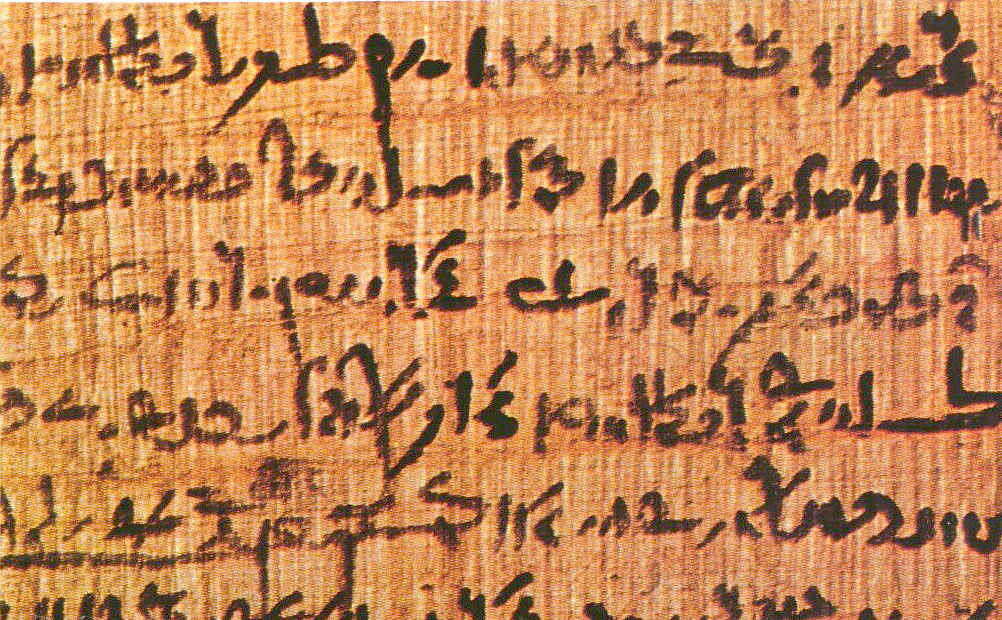
Native to large parts of Africa, among other regions, papyrus was especially abundant in the Nile Delta and along riverbanks where it formed large reedbeds. It played a central role in several ancient Nile civilizations. The plant’s pith was sliced, layered and pressed to make a writing surface commonly called papyrus; further details on the paperlike material can be found at papyrus paper and at historic papyrus. The species’ association with the Nile and early writing is well documented in archaeological and botanical studies; more on its geographic origins appears at African flora resources.
Practical uses
Beyond its role as a writing medium, a wide range of traditional and practical uses developed. Artisans and local communities used papyrus for making:
- mats, baskets and containers;
- cordage, sandals and ropes derived from stems and fibres;
- small boats or floats, often by bundling stems;
- fuel and thatching in areas where the reed was plentiful.
These uses made the plant economically important in wetland societies and contributed to its cultural symbolism.
Conservation and modern relevance
Large stands that once fringed the Nile have declined in many areas because of land reclamation, changes to river flow, urbanization and competition from other vegetation. While C. papyrus remains common in parts of Africa and is cultivated as an ornamental or for wetland restoration, local depletion of wild populations has prompted conservation attention. For context about its historic range and remaining habitats see regional notes at Nile and wetlands information.
Notable distinctions
As a sedge, Cyperus papyrus is functionally distinct from reed grasses; its triangular stems and rhizomatous growth are typical of the Cyperaceae. Its cultural legacy — especially the production of writing sheets that gave rise to the word “paper” in many languages — makes it one of the best-known wetland plants in human history. For further reading and practical cultivation notes consult specialist sources listed under general references and plant guides.
Related articles
Author
AlegsaOnline.com Cyperus papyrus — the papyrus sedge and its historical uses Leandro Alegsa
URL: https://en.alegsaonline.com/art/24917