
Rope: types, construction, history, uses and safety
Comprehensive overview of rope: materials and construction, historical development, common uses, care and safety, and distinctions between rope types.
Overview
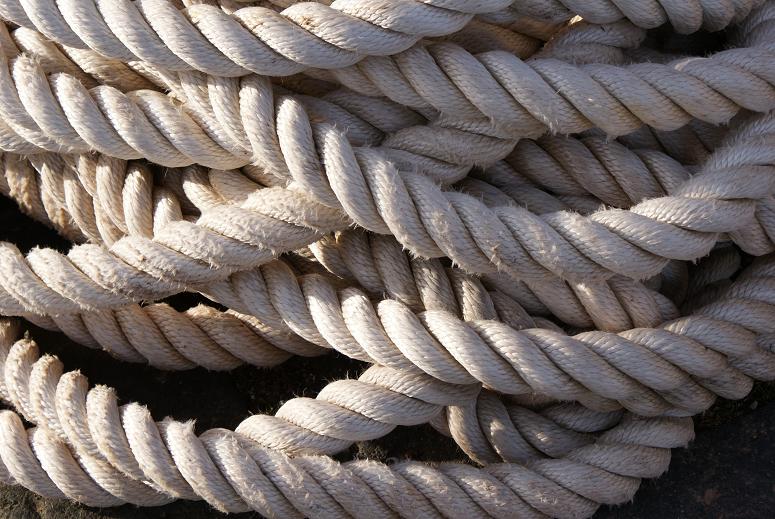
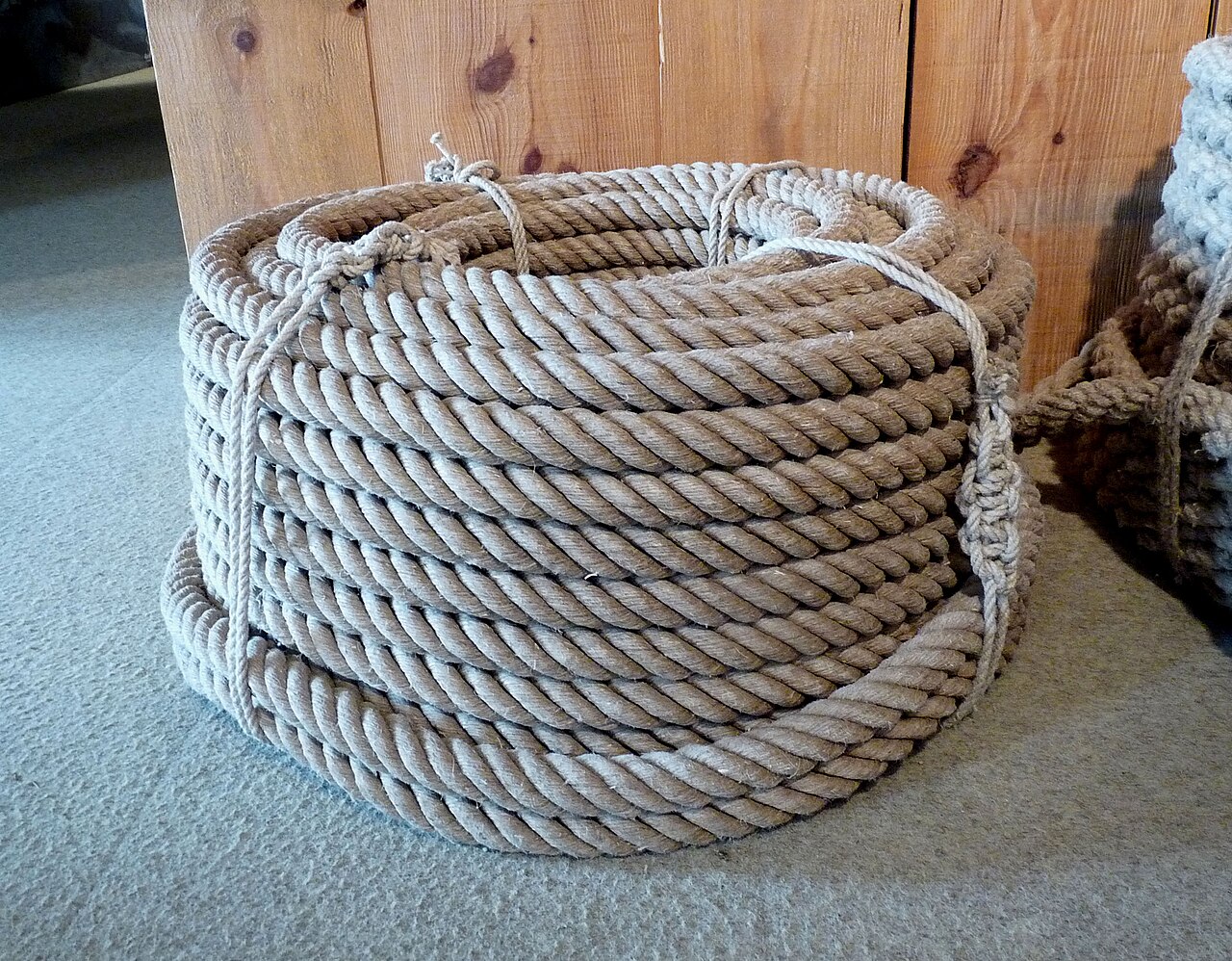
A rope is a length of strong, flexible material made by twisting, braiding, or otherwise assembling many smaller fibers, yarns, or wires into a larger, load-bearing cord. Ropes are valued for tensile strength, flexibility, and durability and are used wherever pulling, lifting, mooring, securing, or transmitting force is required. Modern rope technology ranges from simple natural-fiber hand lines to engineered synthetic ropes and steel wire ropes designed for heavy industrial loads. For a quick reference on basic materials see fiber types.
Image gallery
10 Images






Construction and materials
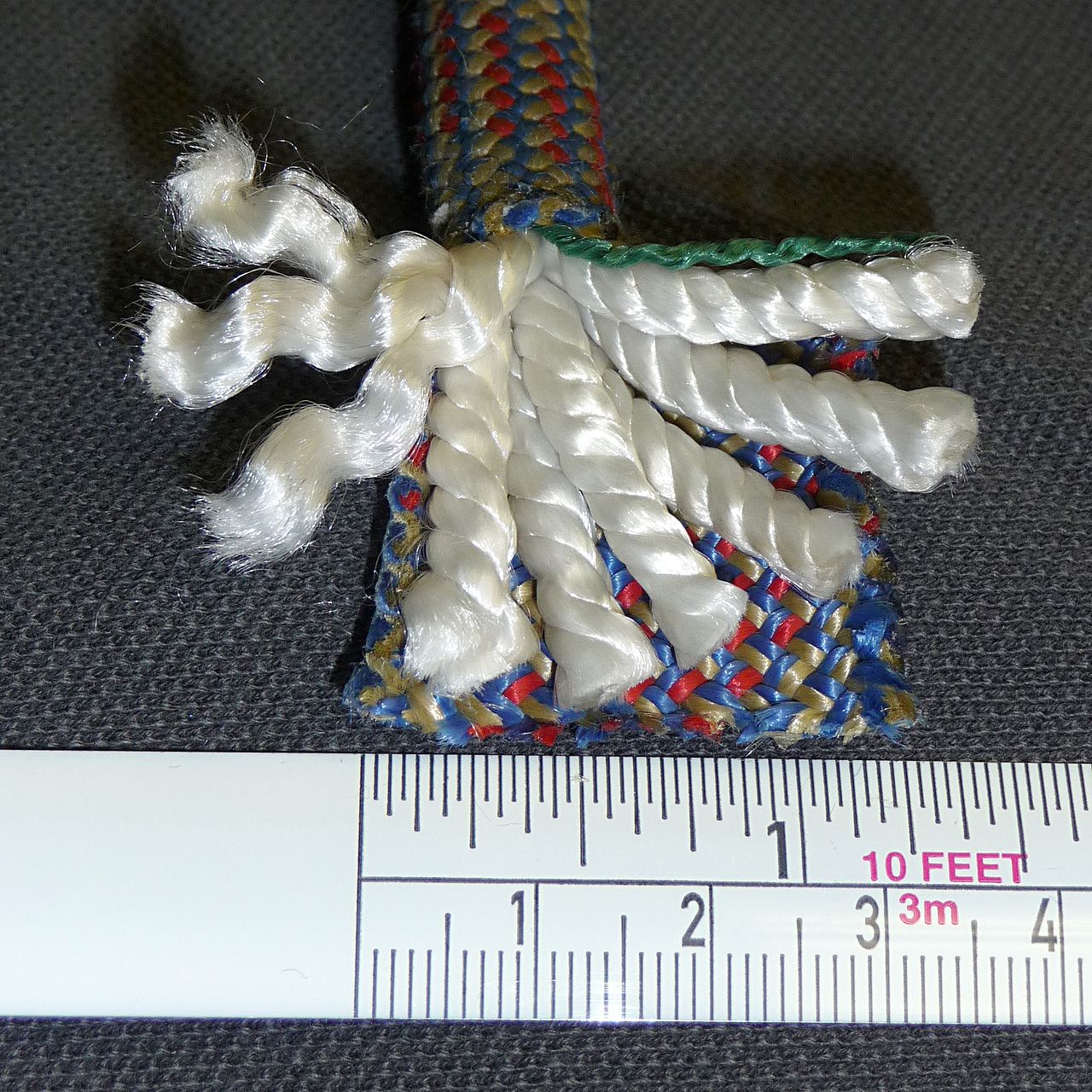
Ropes are built from one or more strands, which themselves are bundles of yarns or wires. Common construction styles include laid (twisted) ropes, braided ropes, and kernmantle (core-and-sheath) designs. Each construction offers different properties: laid ropes resist abrasion and are easy to splice, braided ropes provide smooth handling and reduced twisting, and kernmantle ropes combine a strong core with a protective sheath for climbing and rescue work. Details about specific constructions can be found at rope construction.
- Natural fibers: hemp, flax, cotton, sisal and jute. Historically important and biodegradable but less resistant to rot or UV damage. See natural fibers.
- Synthetic fibers: nylon, polyester, polypropylene and high-modulus polyethylenes (e.g., Dyneema). Offer higher strength-to-weight ratios and improved weather resistance; each has trade-offs in stretch and abrasion behavior. See synthetic ropes.
- Metal ropes: wire rope and steel cable used for heavy lifting, cranes and bridges where flexibility and extremely high tensile strength are required. For steel variants see wire rope and cable types.
History and development
Rope-making is ancient: archaeological and iconographic evidence indicates sophisticated cordage use in many early societies, including Egypt by around 4000 BCE. Over centuries, rope technology evolved from simple twisted plant fibers worked by hand to specialized ropewalks that produced long, uniform lengths for sailing fleets and industrial needs. The rise of synthetic polymers in the 20th century transformed rope performance and enabled applications previously impossible with natural fibers. For historical examples and maritime connection see naval rope history.
Common uses and examples
Rope serves in everyday life and specialized industries. Maritime uses include mooring, towing and rigging sails. In construction and engineering ropes and wire ropes lift loads and support temporary structures. Recreational and safety roles cover climbing, rescue, and caving—where dynamic ropes absorb fall energy while static ropes support hauling and positioning. Household and craft uses include clotheslines, decorative macramé and simple binding. Materials are often chosen to meet the functional need: floating ropes for small craft, low-stretch polyester for certain rigging, and high-stiffness wire for elevators. Practical examples and product comparisons are available at rope applications.
Care, maintenance and safety
Proper rope care extends service life and preserves safety. Key practices include inspecting for wear or broken fibers, avoiding sharp edges and chemical exposure, retiring ropes after significant shock loads or visible damage, and using correct knots, splices and terminations. Specialized ropes may require specific storage to avoid UV degradation or moisture-related rot. Guidance on handling and standards is provided at safety and standards and maintenance guides.
Understanding the material, construction and intended use of a rope is essential to selecting the right type for any task. From ancient cordage to modern engineered lines, rope remains a fundamental technology across marine, industrial, recreational and domestic contexts.
Related articles
Author
AlegsaOnline.com Rope: types, construction, history, uses and safety Leandro Alegsa
URL: https://en.alegsaonline.com/art/84070