
Ancient Egypt (Kemet): Civilization of the Nile
Overview of Ancient Egypt (Kemet): geography, society, religion, writing, monuments, historical periods, economy and the legacy revealed by archaeology and modern scholarship.
Overview
Ancient Egypt, known to its inhabitants as Kemet, was a major riverine civilization centred on the Nile that emerged in the early third millennium BC and continued as an identifiable political and cultural entity until the Roman annexation in 30 BC. Over more than three millennia Egypt developed a distinctive political order, religious life and material culture that exercised long-lasting influence on the Mediterranean and Near Eastern worlds.
Image gallery
10 Images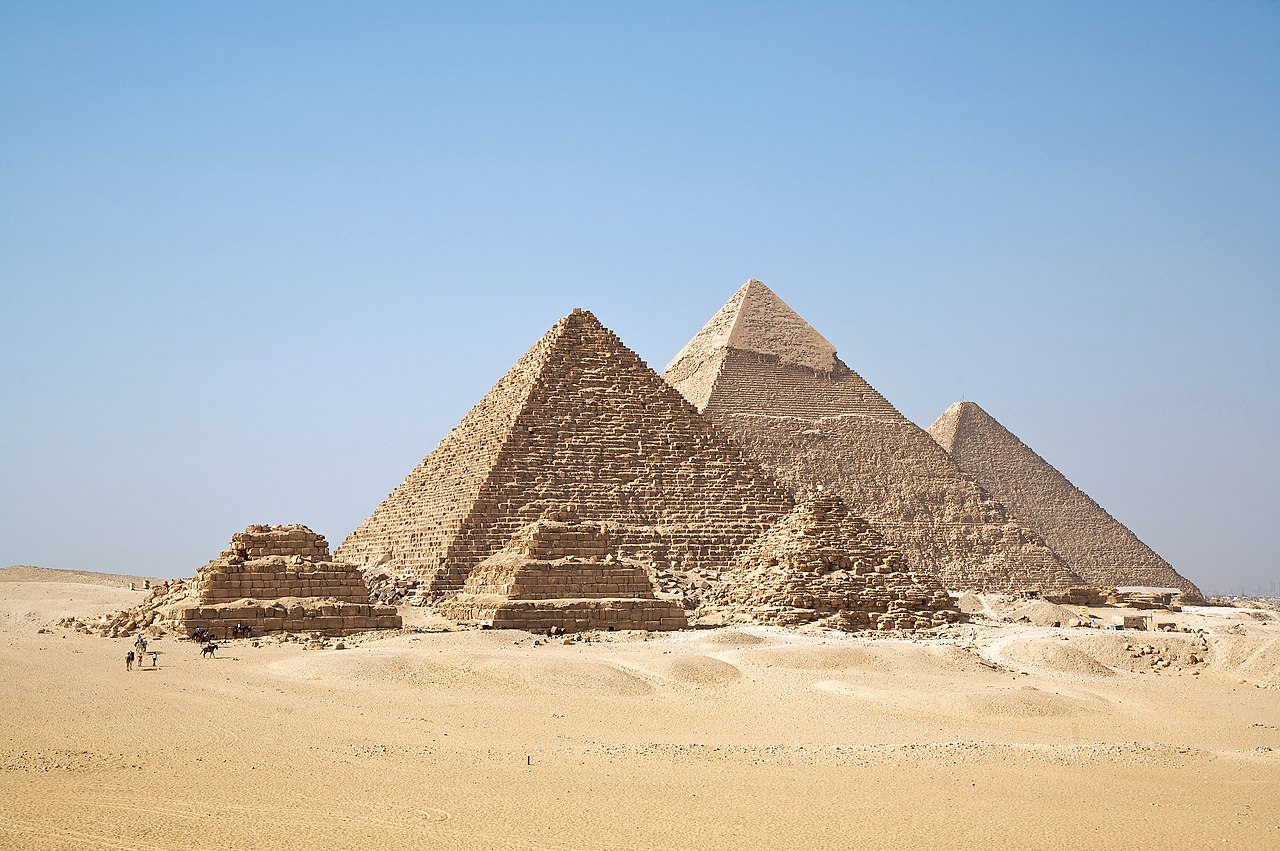




Geography and environment
The life of the civilization was shaped by the Nile River and its annual cycle of inundation. The river created a narrow, fertile corridor in an otherwise arid landscape, allowing reliable production of staple crops. The broad northern outlet, the Nile delta, supported dense settlement and commerce. To the south, interaction and contest with Nubia influenced politics, trade and cultural exchange; Nubia today largely lies within modern Sudan. Control and management of floodwaters, irrigation and granaries were central to Egyptian statecraft and local administration.
Political organisation and rulers
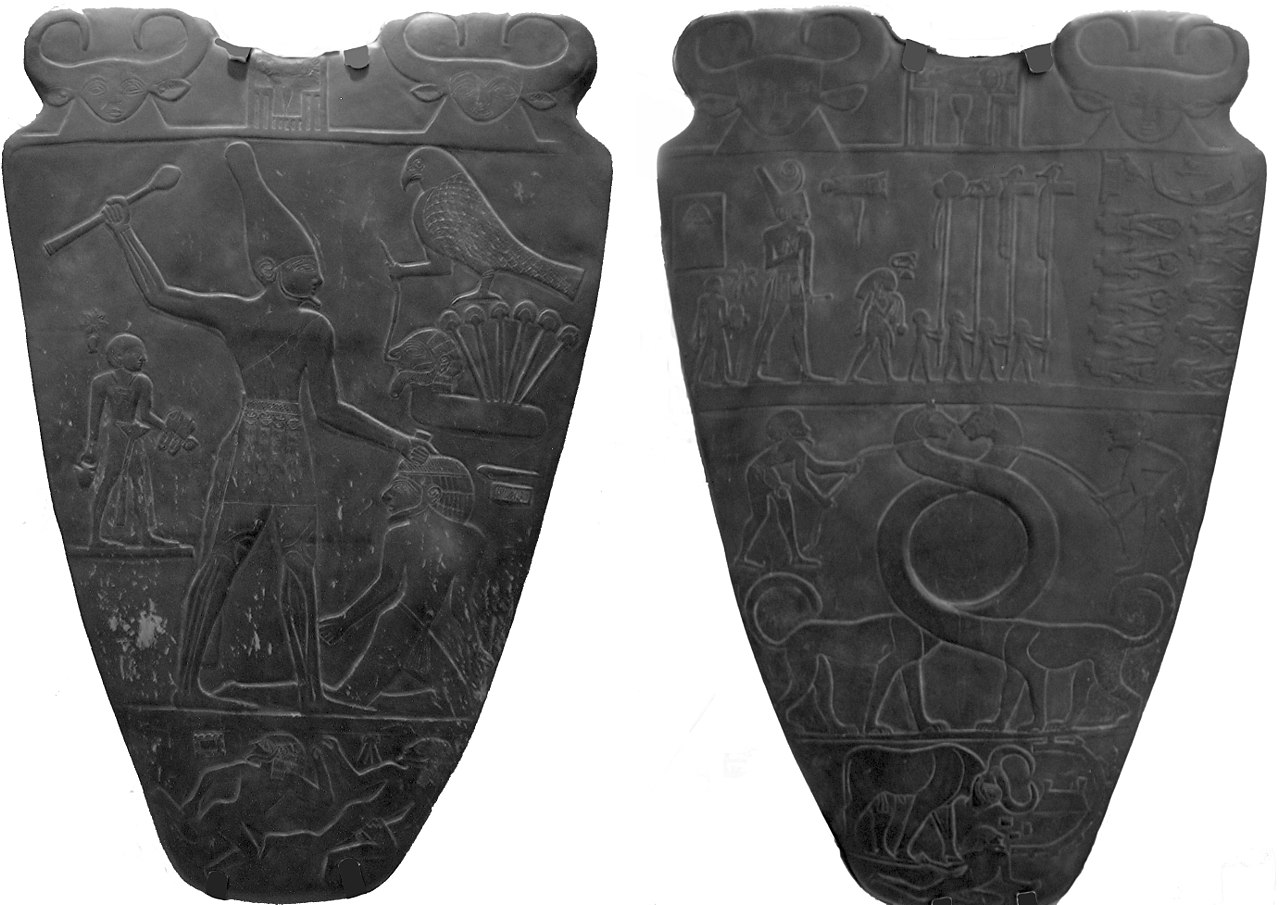
Egyptian government ranged from strong centralized rule under powerful monarchs to periods of regional autonomy. The ruler, called the pharaoh in later sources, was the focal point of political, religious and military authority. Royal households, viziers and provincial officials administered land, labour and taxation. Historians commonly divide pharaonic history into broad phases—the Old, Middle and New Kingdoms—separated by intermediate periods of fragmentation and realignment.
Society, economy and daily life
Society was hierarchical but interdependent: peasants and agricultural workers produced the grain that fed cities, merchants and craftsmen, and supported temple and state institutions. Trade connected Egypt with the eastern Mediterranean, the Levant and interior Africa, supplying timber, precious metals and luxury goods while exporting grain, linen and finished products. The state organised large-scale labour for irrigation works and monumental building, and could mobilise a professional army in times of expansion or defence.
Writing, education and intellectual life
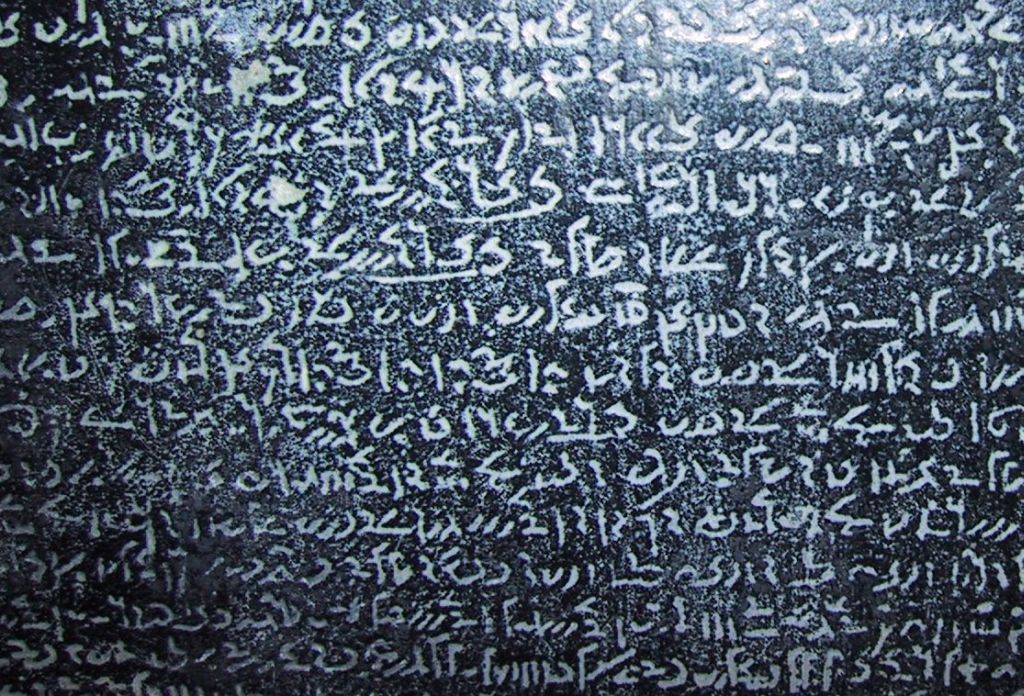
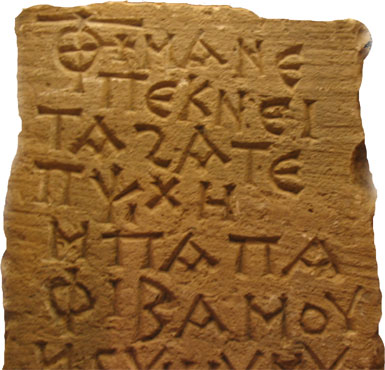
The Egyptians developed a complex system of writing commonly called hieroglyphs for monumental inscriptions and a cursive script for administrative and literary texts. Scribes formed a key educated class, trained in schools attached to temples and palaces. Literary genres included religious texts, wisdom literature, administrative records and scientific observations. The decipherment of hieroglyphs in the modern era opened vast documentary evidence on law, economy, religion and daily affairs.
Religion, ritual and burial
Religion permeated public and private life. A rich pantheon of gods personified natural forces and social roles; temples functioned as cultic centres, economic units and repositories of art. Priests managed temple estates and rituals and could attain considerable wealth and influence. Beliefs in the afterlife motivated practices such as mummification, grave goods and the construction of elaborate burial places to secure a stable afterlife for the deceased.
Architecture, monuments and funerary practice
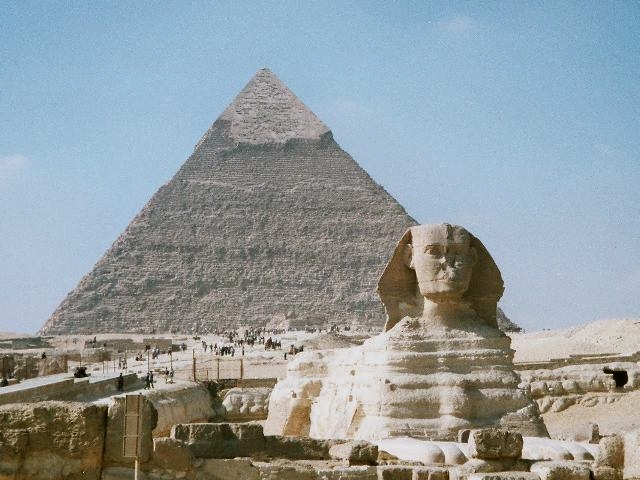
Stone architecture and monumental sculpture are among Egypt’s most visible legacies. Large-scale projects included temple complexes dedicated to deities, royal palaces and funerary monuments. Tomb architecture evolved from simple mastabas to the famous royal pyramids and later rock-cut tombs in the Valley of the Kings. Temples and temples served ritual and administrative roles while tombs and tombs embodied funerary beliefs and contained rich material culture.
Science, technology and the arts
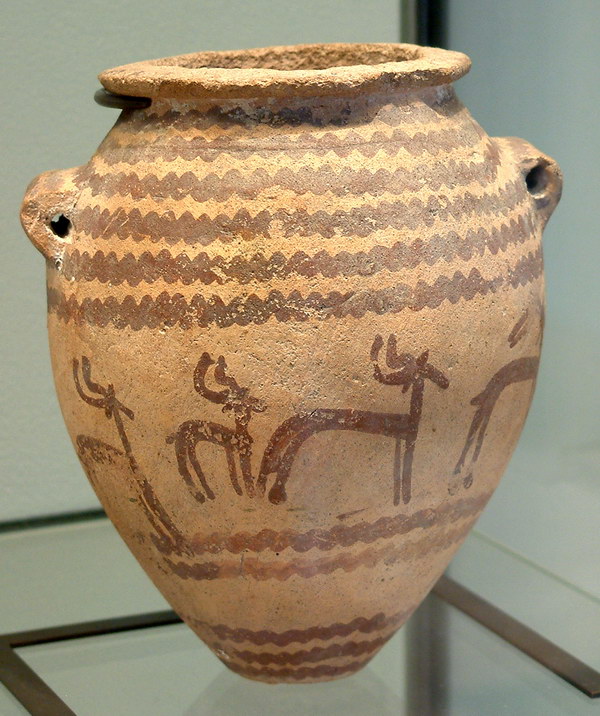
Egyptians applied practical knowledge in construction, surveying, metallurgy, medicine and astronomy. They developed calendars to predict inundation cycles and practical medical texts for diagnosis and treatment. Art and craft traditions produced distinctive painting, relief carving, jewellery and pottery styles that adhered to long-lasting conventions but also show regional and chronological variation.
Trade and external relations
Trade networks linked Egypt with neighbouring regions. Exchange brought resources such as cedar wood, lapis lazuli and incense, and facilitated diplomatic contacts and cultural influence. In the New Kingdom and thereafter Egypt played an active role in the politics of the eastern Mediterranean and Near East, at times projecting power beyond the Nile valley.
Historical periods, decline and legacy
The pharaonic era includes periods of strong centralized rule, occasional expansion and intervals of decentralisation. From the late first millennium BC Egypt experienced a sequence of foreign dominations that culminated in the Roman conquest. Despite political changes, Egyptian religion, art and administrative practices continued to evolve and influenced subsequent societies. Modern Egyptology, supported by archaeological excavation and the study of inscriptions, reconstructs the long history of Kemet and situates it within broader ancient history.
- Key features: Nile-based agriculture, monumental stone construction, hieroglyphic writing and an influential priesthood.
- Connections: long-distance trade and cultural contacts across the Mediterranean and Africa.
- Continuity and change: periods of unity alternated with regional fragmentation; external powers eventually absorbed Egypt into wider empires.
For further orientation, museum catalogues, academic surveys and archaeological reports provide detailed treatments of specific periods, sites and texts. Many resources also discuss how scholarly interpretation has changed since the nineteenth century as new discoveries and methods have refined understanding of ancient Egyptian language, society and technology. Modern geographical references commonly use the name Egypt for the modern nation-state whose territory overlaps the ancient core. Relations with neighbouring lands such as Nubia and modern states like Sudan remain important for regional history and archaeology.
See also: Pharaohs | Nile delta | Nile flood | Temples | Tombs | Trade | Army | Roman conquest
Questions and answers
Q: What time period did Ancient Egypt exist in?
A: Ancient Egypt, or the Kingdom of Kemet, existed from about 3150 BC until 30 BC when it was invaded by the Roman Empire.
Q: Where was Ancient Egypt located?
A: Ancient Egypt was located along the River Nile and its land extended from the Nile delta to Nubia, a kingdom which today is mostly in Sudan.
Q: How did the Egyptians ensure they had good crops?
A: The water from the Nile ensured that the Egyptians would have good crops since it allowed them to grow their crops after the flood waters went down.
Q: What type of writing system did they use?
A: The Egyptians created a way of writing using hieroglyphs.
Q: What type of structures did they build?
A: The Egyptians built huge temples and tombs.
Q: What type of economy did they have?
A: The Egyptians traded with other areas and had a powerful army. Their priests were powerful and rich while their rulers, called Pharaohs, were thought to be close to gods.
Q: What religion did they practice?
A: The religion practiced by Ancient Egyptian society had many gods.
Related articles
Author
AlegsaOnline.com Ancient Egypt (Kemet): Civilization of the Nile Leandro Alegsa
URL: https://en.alegsaonline.com/art/3838