
Mattress: types, materials, history and practical care
A mattress is a padded sleeping surface placed on a bed. This article explains what mattresses are, common materials and constructions, historical origins, main types, uses, and basic care tips.
A mattress is a padded or cushioned surface designed to support a person lying down, most commonly set atop a bed. Its primary function is to provide comfort, pressure relief and spinal support so people can rest or sleep with reduced disturbance. Mattresses vary widely in size, firmness and construction to meet different needs for comfort, health and durability.
Image gallery
4 Images


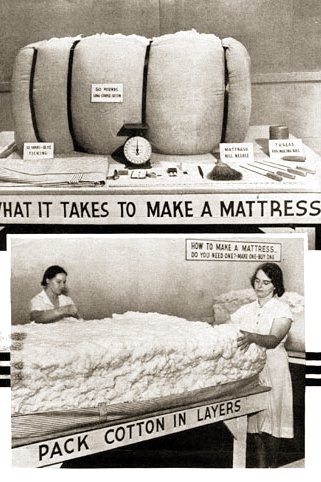
Common materials and construction
Modern mattresses are assembled from one or more layers of supportive or cushioning materials. Traditional and contemporary materials include:
- Feathers and down — used historically for padding and still found in some luxury toppers.
- Cotton and other natural fibers — used for ticking, quilting and some filling layers.
- Foam (polyurethane, memory foam) — provides contouring and pressure relief.
- Rubber and latex — natural or synthetic, valued for resilience and breathability.
- Internal springs or coils — provide support and motion isolation in many traditional mattresses.
Types and characteristics
There are several common categories of mattress based on how they are built: innerspring (coil) mattresses, foam mattresses, latex mattresses, hybrid designs that combine springs and foam/latex, and airbeds with adjustable firmness. Firmness and thickness influence spinal alignment and pressure distribution; firmness preferences differ by sleeping position, body type and health considerations.
Origins and linguistic history
The English word "mattress" traces back to Arabic words meaning "to throw" or a "place where something is thrown," reflecting early cushions or mats that were spread on the floor. The term entered European languages during contact such as the Crusades, passed through Romance languages and into Middle English, and remains linked to its original sense of a laid-out cushion. The connection to Arabic highlights how everyday objects and words moved between cultures.
Uses, health and selection
Beyond basic rest, mattress choice can affect sleep quality, pain management and temperature regulation. People with back pain often seek firmer support, side sleepers may prefer softer, pressure-relieving surfaces, and allergy-prone sleepers may choose hypoallergenic fillings. Mattress size, edge support and motion transfer are other factors to consider when selecting a model.
Care and notable facts
To extend a mattress's life and maintain hygiene, manufacturers commonly recommend rotating or flipping (where applicable), using a protective cover, regular airing and cleaning according to the material. Warranties and trial periods vary widely, so testing and checking return policies are useful. Specialized mattresses are available for medical use, camping and travel; choices reflect the trade-offs among comfort, support, breathability and longevity.
Author
AlegsaOnline.com Mattress: types, materials, history and practical care Leandro Alegsa
URL: https://en.alegsaonline.com/art/62911
Sources
- education.yahoo.com : "Mattress: Word History."