
3rd millennium BC
The period c.3000–2001 BC, marking the Early to Middle Bronze Age: urbanization, bronze technology, writing, long‑distance trade, state formation and population growth across Eurasia and North Africa.
Overview
The 3rd millennium BC (about 3000–2001 BC) marks a formative interval usually associated with the Early to Middle Bronze Age. During these centuries many regions saw the consolidation of urban centres, the appearance of state institutions and intensive use of bronze for tools and weapons. Monumental architecture, administrative record keeping and more complex economic networks became widespread. For broad periodization see Early to Middle Bronze Age.
Image gallery
10 Images




Chronology and periodization
This millennium bridges late Chalcolithic traditions and established Bronze Age societies. Regional chronologies differ, but common features include increased craft specialization, regular long‑distance exchange and more hierarchical political structures. Archaeologists use material culture, burial practices and texts to subdivide the period within individual regions.
Major regional developments
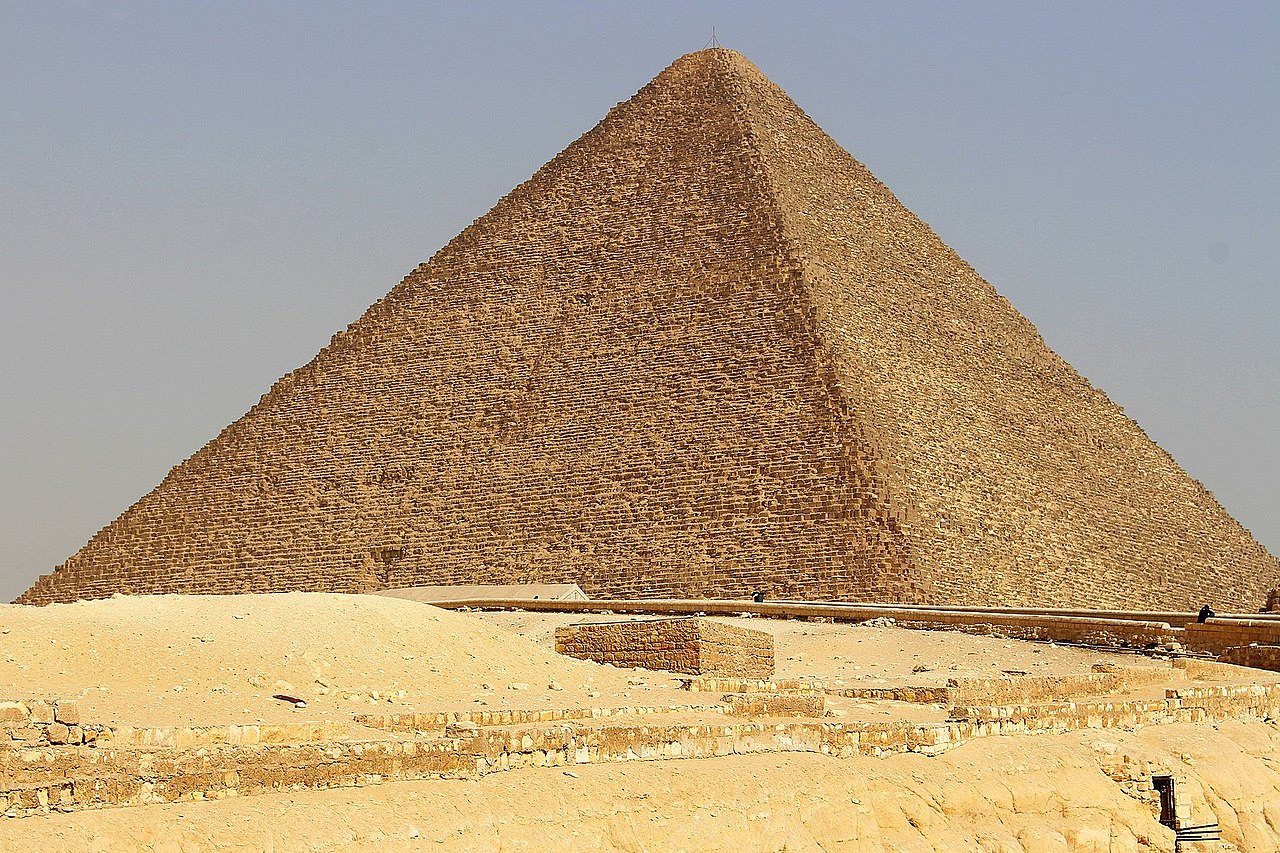
Across the Middle East city‑states and competing polities expanded and sometimes unified under large dynasties. In the Nile valley the Old Kingdom of Ancient Egypt achieved monumental pyramid complexes and centralized administration. The Indus region developed large planned cities and standardized weights. Broad contact networks linked these centres with settlements across Eurasia.
Technology and economy
Bronze metallurgy—copper alloyed with tin or arsenic—became increasingly important for weaponry, tools and prestige goods. Innovations in wheeled transport, shipbuilding and textile production facilitated trade. Long‑distance exchange channels carried tin, copper, precious stones and finished artefacts between distant regions, sustaining specialist crafts and elite consumption.
Writing and administration
Durable writing systems were used for administration, ritual and record keeping. Cuneiform in Mesopotamia and hieroglyphic writing in Egypt supported taxation, legal procedures and monumental inscriptions. Written records provide crucial evidence for economic organization, political claims and cultural transmission.
Migrations and cultural change
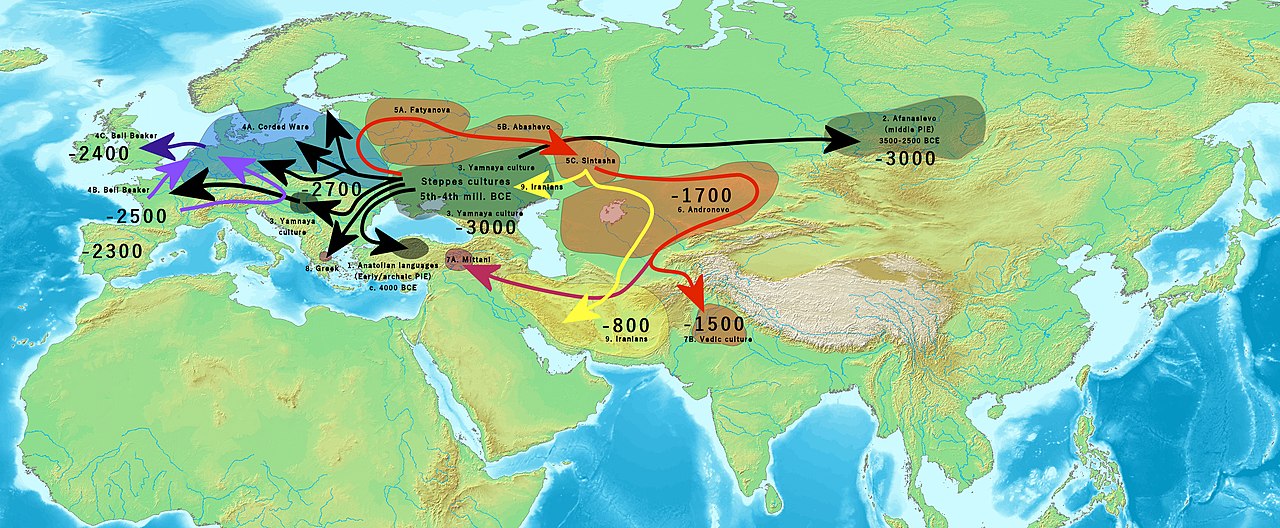
Population movements and cultural contacts shaped languages and material traditions. Speakers associated with the broader Indo‑European family expanded in several directions, with groups moving into regions such as Anatolia, much of Europe and parts of Central Asia. These processes were complex and regionally varied, involving both migration and local interaction.
Conflict and fortification
Competition for resources and strategic control led to organized warfare and fortifications in many regions. Elite competition stimulated developments in military technology, administration and diplomacy. Fortified settlements and palatial centres are common archaeological signatures of this dynamic.
Environment and demography
Estimates indicate substantial population growth during the millennium; some demographic reconstructions suggest that world population rose significantly as agriculture intensified and urban centres expanded. Environmental constraints, regional climate variability and resource management affected settlement patterns and political stability.
Archaeological evidence
Material remains for this period include monumental architecture, urban plans, craft workshops, burial assemblages and written tablets. Archaeological methods—excavation, dating, analysis of artefacts and bioarchaeological study—help reconstruct social organization, trade links and lifeways across diverse regions.
Legacy
The transformations of the 3rd millennium BC set foundations for later Bronze Age civilizations: institutionalized states, expanded trade routes, literate bureaucracies and linguistic dispersals that influenced subsequent history. Many cultural, technological and political patterns established in this era resonated for millennia.
Further reading and resources
- General syntheses and period overviews: see works on the Early to Middle Bronze Age.
- Regional studies: surveys of the Ancient Egyptian Old Kingdom, Mesopotamian city‑states and Indus urbanism.
- Broader contexts: interactions across the Middle East and Eurasia, and studies of Indo‑European dispersals into Anatolia, Europe and Central Asia.
- Demography and environment: research into changing world population and ecological conditions that shaped settlement and economy.
Questions and answers
Q: What is the 3rd millennium BC?
A: The 3rd millennium BC is a period of time that spans from the Early to the Middle Bronze Age.
Q: What was common during the 3rd millennium BC?
A: The desire to conquer was common during the 3rd millennium BC.
Q: Where did the expansion occur during the 3rd millennium BC?
A: Expansion occurred throughout the Middle East and throughout Eurasia, with Indo-European expansion to Anatolia, Europe, and Central Asia.
Q: What happened to the civilization of Ancient Egypt during the 3rd millennium BC?
A: The civilization of Ancient Egypt rose to a peak with the Old Kingdom during the 3rd millennium BC.
Q: What was the estimated world population during the 3rd millennium BC?
A: The world population is estimated to have doubled in the course of the millennium to 30 million people during the 3rd millennium BC.
Q: What ages were included in the 3rd millennium BC?
A: The Early to the Middle Bronze Age were the ages that were included in the 3rd millennium BC.
Q: What events occurred during the 3rd millennium BC?
A: The desire to conquer was common, expansion occurred, the civilization of Ancient Egypt reached its peak, and the world population is estimated to have doubled during the 3rd millennium BC.
Related articles
Author
AlegsaOnline.com 3rd millennium BC Leandro Alegsa
URL: https://en.alegsaonline.com/art/112870