
Reed (plant): ecology, uses, and cultural history
Reeds are tall, grass-like wetland plants found in reed beds. This article explains their form, ecology, common species, human uses (thatching, crafts, habitat management), and how they differ from similar plants.
Overview
Reed is a common name applied to several tall, grass-like plants that grow in wetlands and along water margins. These plants form reed beds—dense stands that influence water flow, provide wildlife habitat and shape wetland landscapes. Many species called "reeds" belong to the broad order Poales, although the label is a convenient form name rather than a precise botanical category. The term appears across languages and cultures because many unrelated plants have a similar tall, erect growth habit adapted to water margins.
Image gallery
5 Images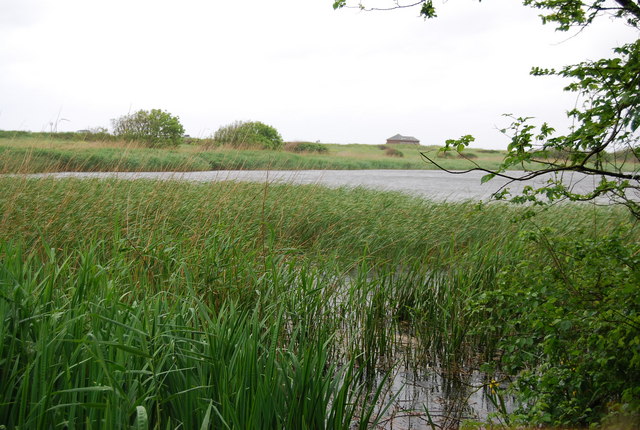


Characteristics and ecology
Reeds typically have long, unbranched stems, narrow leaves, and conspicuous flowering or seed-bearing plumes. They tolerate periodic flooding and waterlogged soils, often forming dense stands that trap sediment and organic matter. Because the reed habit evolved independently in different lineages, species described as reeds are often polyphyletic—they share an ecological niche but not necessarily a recent common ancestor. This pattern reflects convergent evolution, where unrelated plants develop similar traits to survive a wet habitat.
Common species and distinctions
One widespread example is Phragmites australis, commonly called the common reed; it is notable for forming extensive stands in temperate regions. Reeds are distinct from but often confused with other wetland graminoids such as sedges and rushes; those groups differ in stem cross-section, leaf arrangement and floral details. In some regions non-reed materials are marketed under the reed name—terms like "wheat reed" historically referred to long-stemmed cereal straw rather than true reeds or straw used for craftwork.
Human uses and cultural importance
Humans have used reeds for millennia. Traditional applications include thatching roofs, weaving baskets and mats, making musical instruments and constructing simple structures. For thatching, reeds were cut and stored for roofing work; roofers purchased bundles of reed from harvesters and often kept supplies in barns. In parts of the United Kingdom, material from the common reed was called "Norfolk reed" or "water reed." The practice of thatching declined in some regions with the rise of alternatives like slates, sourced from quarries in places such as Wales, and later by mass-produced materials.
Practical uses and ecosystem services
- Thatching and traditional crafts — reeds provide a durable, insulating roof cover in many cultures (thatched roofing trade).
- Habitat and biodiversity — reed beds shelter birds, fish and invertebrates and act as nursery areas.
- Water filtration and shoreline protection — dense stands reduce erosion and help trap pollutants and sediments.
- Material sources — cut reed stems are used for weaving, fencing and sometimes biomass.
Management, conservation and notable facts
Reed beds are valued for biodiversity but may require active management. Some reed species can spread aggressively and alter wetland ecology, particularly where non-native lineages are introduced. Conservation efforts aim to balance habitat preservation with control where expansion harms other wetland species. Because "reed" describes a life form rather than a single taxon, it is important to specify the species and local context in ecological, cultural and management discussions. For further general background on wetland plants and their management see sources such as general plant orders and regional guides (United Kingdom resources).
Related articles
Author
AlegsaOnline.com Reed (plant): ecology, uses, and cultural history Leandro Alegsa
URL: https://en.alegsaonline.com/art/81776