
Basket: forms, materials, history and uses
An overview of baskets — their materials and making techniques, cultural history, practical and decorative uses, and related meanings such as the basketball hoop.
A basket is a lightweight, typically open-topped container used to carry, store, or display items. Baskets range from simple hand-plaited trays to elaborately decorated works of art. They are defined more by their method of construction than by a single material: many cultures have developed basketry from locally available fibers and rods.
Image gallery
10 Images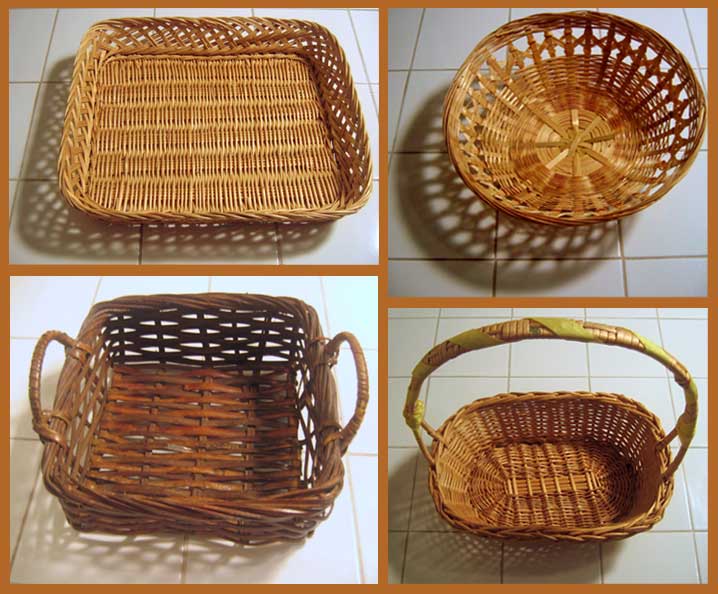


Materials and basic construction
Traditional baskets are made from plant fibers and flexible woody shoots: willow, reeds, cane, bark, grasses, palm leaves and similar materials. Modern baskets may also use wire, plastic, paper yarn, and rope. Construction techniques fall into three broad categories:
- Woven: a framework of spokes is interlaced with weavers that pass over and under the spokes to form sides and base.
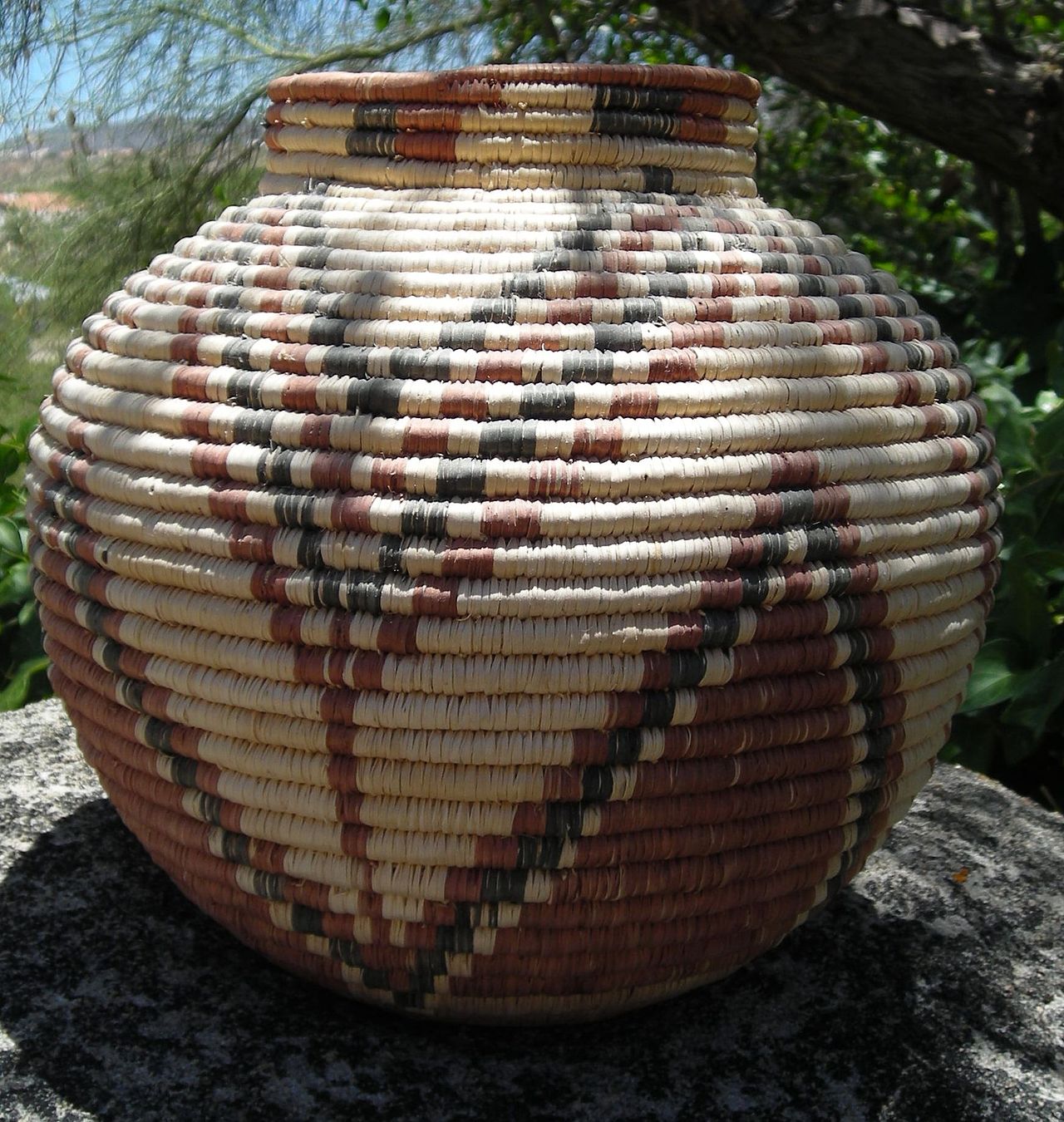
- Coiled: continuous coils of material are stitched together in successive rounds to create a solid, often rounded vessel.
- Twined: pairs or groups of weavers twist around upright elements, producing flexible, patterned fabrics for the basket body.
Designs and variations
Baskets come in many shapes—baskets for carrying, storage, food preparation, sieving, and even traps or fishing creels. Design choices respond to intended use: a sturdy handled basket for transport, a flat shallow basket for sifting grain, or a tightly coiled, watertight basket for holding liquids. Decoration can be purely functional (tight weave for strength) or aesthetic: dyes, painted motifs, inlaid materials and complex patterning are common in many traditions.
History and cultural importance
Basketry is one of humanity's oldest crafts, appearing wherever suitable materials and skills exist. Archaeological finds and ethnographic records show baskets have been essential in gathering, storage, food processing and ritual life. In many Indigenous cultures around the world, basket weaving carries deep cultural meaning, transmits knowledge across generations and is integrated with storytelling, ceremonial practice and identity. Contemporary artists and craftspeople also use basket techniques to create sculptural and conceptual work.
Uses today and related meanings
Today baskets remain widely used for practical purposes—shopping, laundry, harvest, and home organization—as well as for decoration and as collectible folk art. Materials like plastic and wire have made mass-produced baskets inexpensive and durable. The word "basket" also appears in other contexts: for example, in the sport of basketball the term refers to the metal rim and net through which players score. For general information about container types see container resources, and for instructional guidance explore tutorials on basket weaving.
Baskets thus span the practical and the symbolic: simple tools for daily tasks, vehicles of cultural expression, and metaphors that persist in language and sport. Their continued presence reflects adaptability—both of materials and of human ingenuity.
Related articles
Author
AlegsaOnline.com Basket: forms, materials, history and uses Leandro Alegsa
URL: https://en.alegsaonline.com/art/9260