
Palaeognathae: paleognaths, the ratites and tinamous
Palaeognathae is one of two main clades of living birds, defined by an ancient palatal structure. It includes flightless ratites and the volant tinamous; molecular evidence shows repeated, independent losses of flight.
Palaeognathae (from Greek for "old jaw") is one of the two principal divisions of modern birds, the other being Neognathae. Together these groups form the crown group of living birds, the Neornithes. Palaeognaths are united primarily by their distinctive palate and related skull features, traditionally considered more "primitive" in structure than that of neognaths.
Image gallery
10 Images




Key characteristics
The defining anatomical trait of paleognaths is a rigid, roof-like arrangement of the upper palate and associated bones, which limits cranial kinesis compared with neognaths. Many members are large-bodied, with strong legs and reduced flight apparatus; these traits accompany a commonly flightless lifestyle. However, the group also contains volant species: the tinamous retain the capacity for powered flight, though most are weak fliers.
Living diversity and distribution
Palaeognathae today comprises the large, mostly flightless birds collectively known as ratites together with the Neotropical tinamous. Major living lineages include:
- Ostriches (Africa)
- Rheas (South America)
- Emus and cassowaries (Australia and New Guinea)
- Kiwis (New Zealand)
- Tinamous (Central and South America)
The number of species varies by lineage: tinamous comprise several dozen species, while the ratite groups include a handful of species in each genus. These birds occupy habitats from open savannas to dense forests and show a range of diets from herbivory to omnivory and insectivory.
Evolutionary history
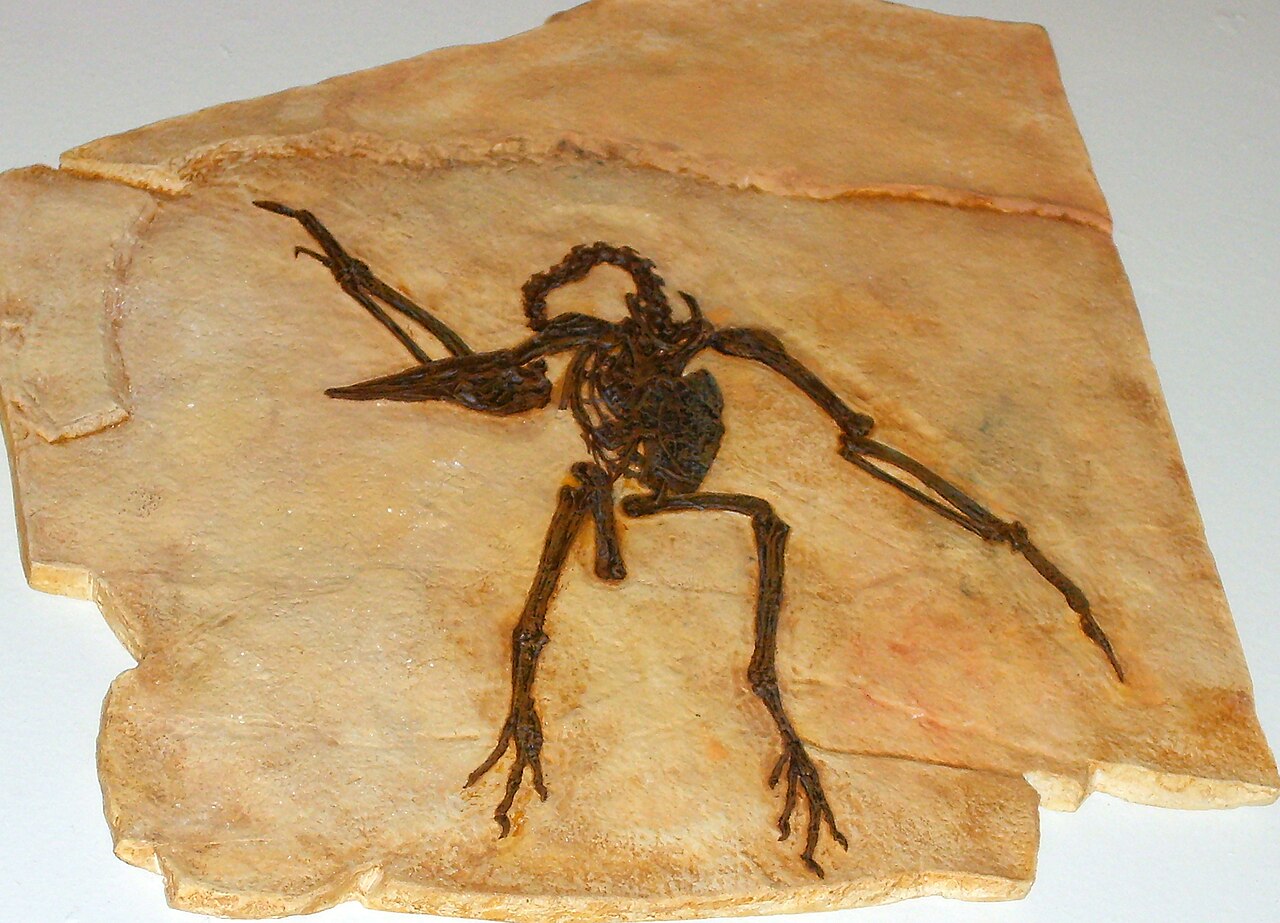
Molecular phylogenetics over the last two decades has clarified palaeognath relationships and overturned older ideas. Genetic evidence supports the monophyly of the group, but shows that flightlessness is not a single, inherited condition across ratites. Instead, tinamous are nested within the broader ratite radiation, indicating that loss of flight occurred independently in multiple lineages. The fossil record includes early volant palaeognaths (the lithornithiforms) and later giant flightless forms, such as the New Zealand moas and Madagascar's elephant birds, both driven to extinction after human arrival.
Behavior, ecology and human interactions
Palaeognaths display diverse reproductive and social strategies: some ratites form loose breeding aggregations with complex mating systems, while tinamous often lead more secretive, solitary lives. Several species have economic or cultural importance—ostriches have been farmed for feathers and meat, and the kiwi is a national symbol of New Zealand. Conversely, many palaeognaths face threats from habitat loss, introduced predators and hunting.
Notable distinctions and conservation
The contrast between the palaeognathous and neognathous palates remains a useful morphological distinction, but modern classification emphasizes evolutionary relationships revealed by DNA. Conservation efforts for several palaeognath species focus on habitat protection, predator control and, where feasible, captive breeding. The story of palaeognaths is a clear example of how ancient anatomical traits, continental distributions and recent molecular data combine to reshape our understanding of vertebrate evolution.
Further links
Related articles
Author
AlegsaOnline.com Palaeognathae: paleognaths, the ratites and tinamous Leandro Alegsa
URL: https://en.alegsaonline.com/art/74119