
Moa: extinct giant flightless birds of New Zealand
The moa were a group of nine extinct flightless bird species native to New Zealand. This article covers their biology, diversity, human contact, extinction causes, and cultural and scientific legacy.
Overview
The term moa refers to a group of large, flightless birds that were unique to New Zealand. Moa had no functional wings and are classified among the land birds commonly described as flightless birds. All moa species are extinct; their disappearance is one of the best documented examples of relatively rapid megafaunal loss after human arrival on an island ecosystem.
Image gallery
10 Images




Biology and characteristics
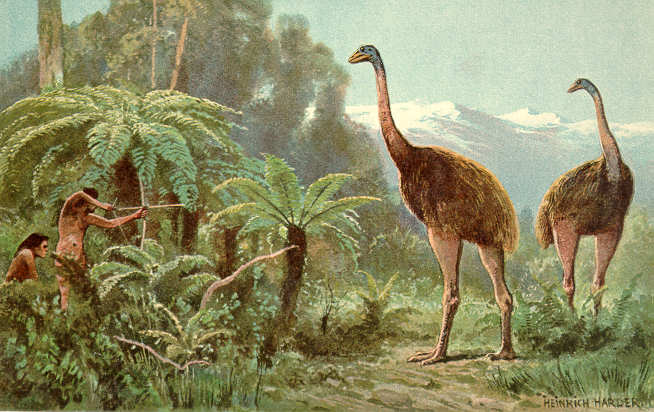
Moa species varied greatly in size and build, from birds not much larger than a domestic turkey to giants with long necks and robust legs. They were herbivores, feeding on a range of leaves, twigs and other plant material. Anatomically, moas lacked wings suitable for flight and had strong legs adapted to walking. Paleontological studies, including analysis of preserved droppings and stomach contents (coprolites), have helped reconstruct their diet and the kinds of vegetation they browsed.
Species and size
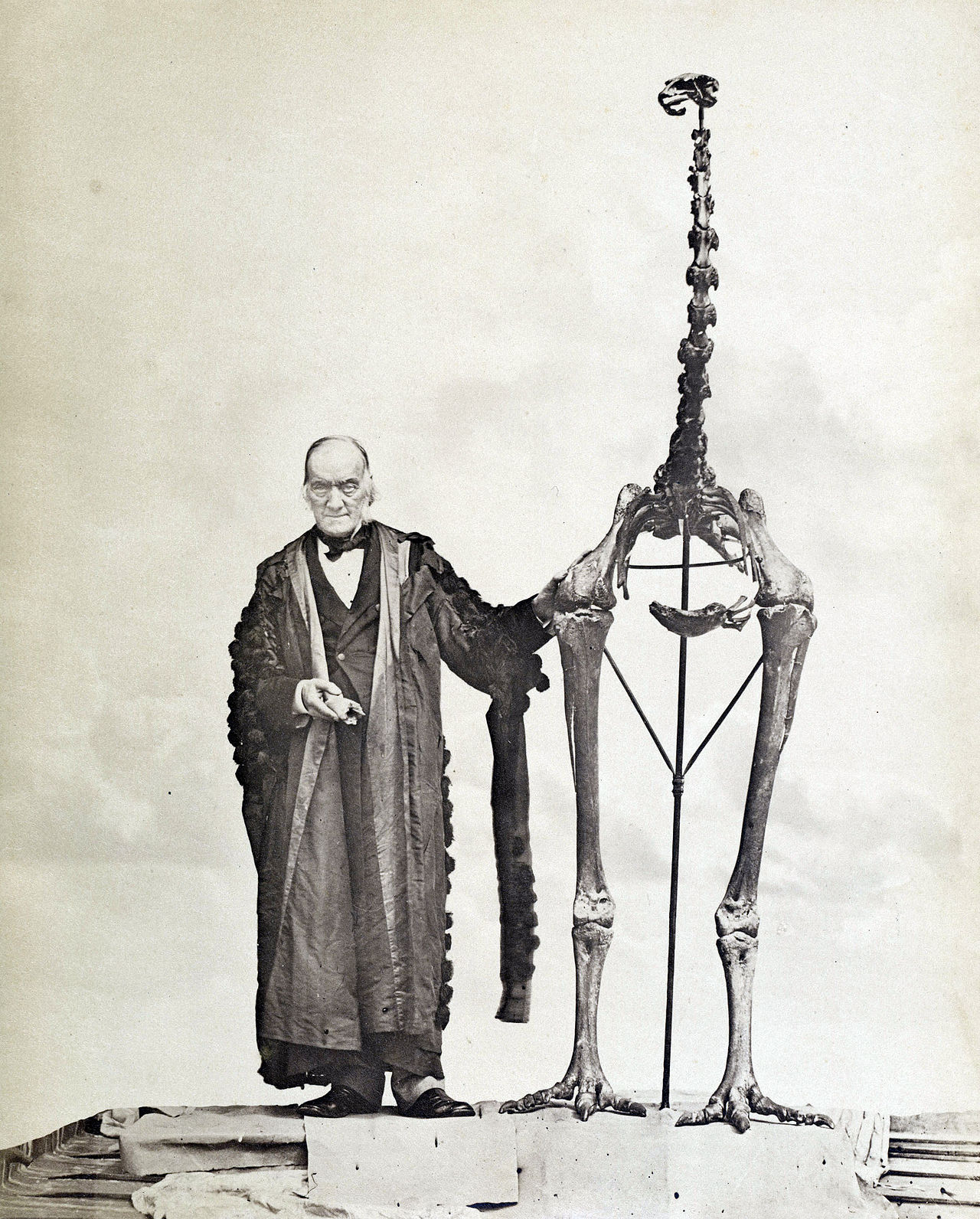
Scientists recognize nine moa species across six genera. The largest and most famous belong to the genus Dinornis, which could reach heights reported up to 3.6 meters when the neck was extended and weighed several hundred kilograms. Smaller species occupied a range of ecological niches across the islands; some species were adapted to forested habitats while others lived in open country.
Human arrival and extinction
The Māori people, who migrated to New Zealand from parts of Oceania, brought new hunting pressures and ecological changes. Archaeological sites across the country show evidence of moa hunting and butchery. Combined effects of intensive hunting, habitat alteration and the later introduction of mammals led to moa extinction roughly within centuries after human arrival; surviving predators such as Haast's eagle had coexisted with moa but could not prevent their decline once humans impacted populations. Modern research also points to changes in habitat caused by human activity as a contributing factor.
Legacy and study
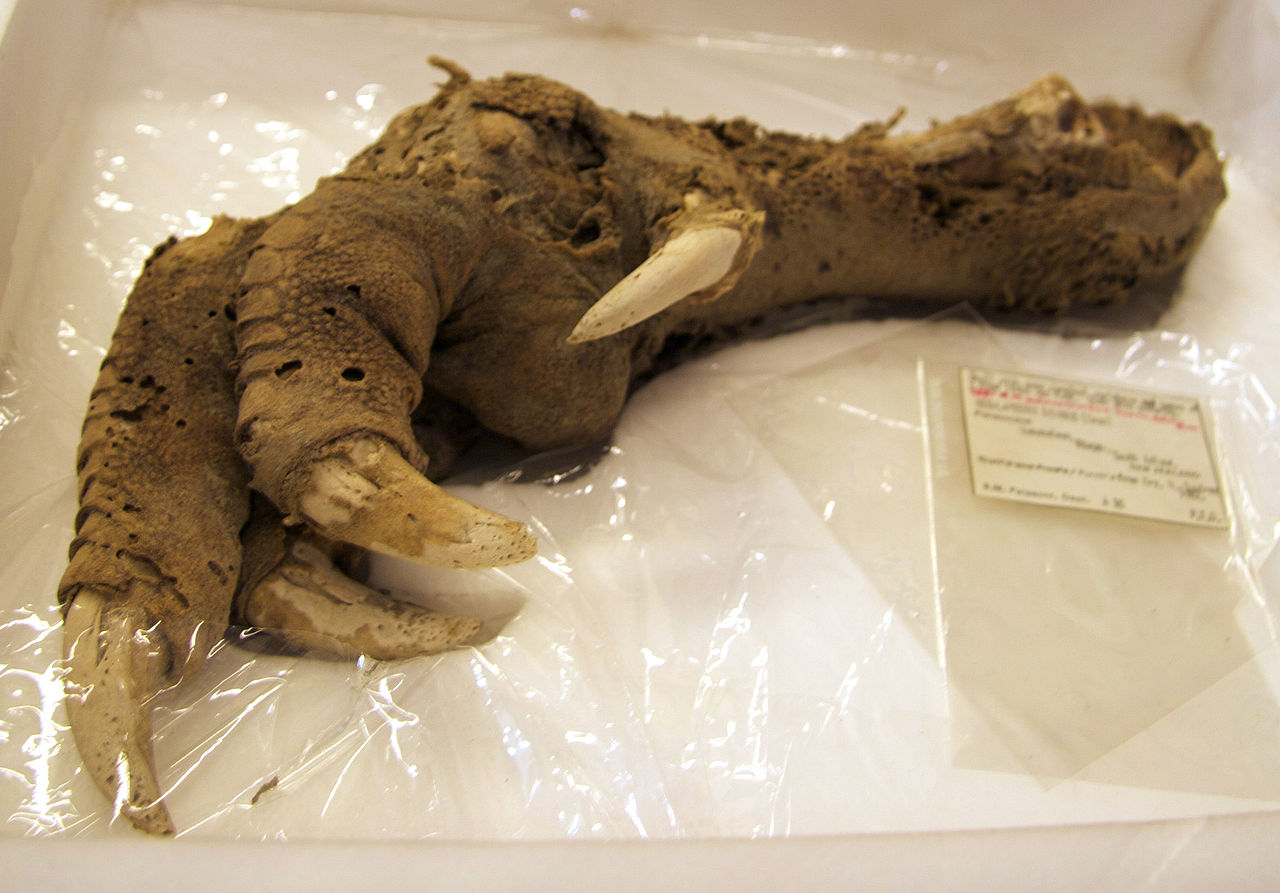
Moa have an outsized cultural and scientific importance. They provided food, tools and materials for the early Māori and figure in oral traditions. For scientists, moa remain the focus of ecological, genetic and conservation studies because their extinction illustrates the vulnerability of island ecosystems. Subfossil bones and other remains are recovered from caves, peat bogs and swamp deposits, aiding reconstruction of New Zealand's past environments.
Key points
- Endemic: moa lived only in New Zealand (see map).
- Diversity: nine species in six genera, from small to giant (species overview).
- Extinction causes: human hunting, habitat change and introduced animals are implicated (habitat change, introduced species).
- Predators: Haast's eagle preyed upon moa before humans arrived (predator-prey relations).
Questions and answers
Q: What were moas?
A: Moas were large flightless birds with no wings that lived only in New Zealand and are now all extinct.
Q: How many species of moa were there?
A: There were nine species (in six genera) of Moa.
Q: What was the largest and best known genus of moa, and how big did they grow?
A: The largest and best known genus of moa was Dinornis, which grew up to 3.6 meters (12 feet) tall and weighed as much as 230 kilograms (510 pounds).
Q: When did the Māori people arrive in New Zealand, and what was the moa population like at that time?
A: The Māori people arrived in New Zealand from Oceania about a thousand years ago, and at that time the moas lived in large numbers, especially on South Island.
Q: Were there any archaeological sites that provide evidence of moa hunting in New Zealand?
A: Yes, archaeological sites with evidence of moa hunting are all over New Zealand.
Q: What caused the extinction of moas?
A: While the moas had survived being hunted by Haast's eagle, they could not survive being hunted for food by the Maoris. Recent extinctions (also mostly birds) have been caused by habitat change and introduced species.
Q: What are some examples of recent extinctions?
A: Recent extinctions (also mostly birds) have been caused by habitat change and introduced species.
Related articles
Author
AlegsaOnline.com Moa: extinct giant flightless birds of New Zealand Leandro Alegsa
URL: https://en.alegsaonline.com/art/65649
Sources
- bird.org.nz : bird.org.nz/nzrbn.htm