
Palfrey: a Medieval Riding Horse Type
A palfrey was a type of riding horse prized in the Middle Ages for a smooth, comfortable gait. It was a functional category rather than a distinct breed, used for travel, hunting and ceremonial riding.
Overview
The palfrey was a well-regarded type of horse in medieval Europe, selected principally for comfortable riding rather than for battlefield work. The term denotes a use and set of qualities rather than a single, fixed breed. Riders valued palfreys for journeys, ceremonial processions and occasions when a steady, easy gait mattered.
Image gallery
4 Images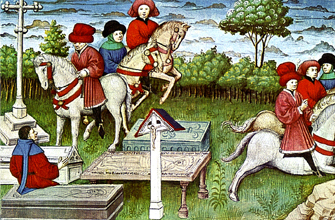
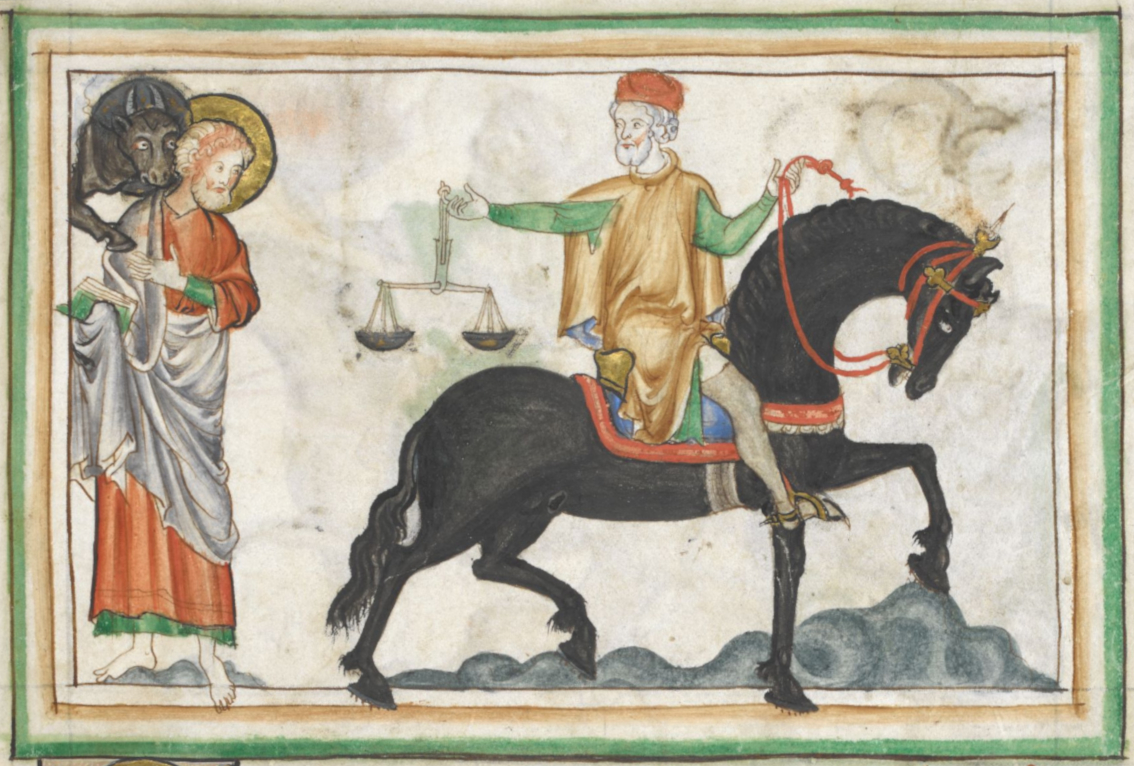


Characteristics
Palfreys were typically lighter and more refined than heavy war horses. They were often bred and trained to perform an ambling or smooth intermediate gait that reduced the rider's fatigue on long trips. These animals could vary in height and appearance, but they shared an emphasis on docility, endurance and a comfortable ride.
History and uses
The word palfrey appears in medieval sources and was widely associated with noble and clerical riders in the Middle Ages. Owners used palfreys for travel, pilgrimage, hunting on foot or horseback when speed was less important, and for riding in courtly or ecclesiastical contexts. Women of rank often rode palfreys because the horse's smooth gait made side-saddle or long journeys easier.
Distinctions and legacy
Palfrey is contrasted with other medieval types such as the destrier (heavy war horse) and the courser (faster, lighter war mount). Because it describes a role and set of traits rather than a genetic lineage, modern attempts to identify a single “palfrey breed” are misleading. Elements of the palfrey's function survive in later riding breeds and in modern horses trained for comfortable ambling gaits.
Typical roles
- Long-distance travel and pilgrimage
- Courtly procession and ceremonial riding
- Hunting and general riding for nobles
Related articles
Author
AlegsaOnline.com Palfrey: a Medieval Riding Horse Type Leandro Alegsa
URL: https://en.alegsaonline.com/art/74184