
Emu (Dromaius novaehollandiae)
Large flightless bird native to mainland Australia; second-tallest bird after the ostrich, known for long legs, nomadic habits, male incubation of eggs, and cultural and economic significance.
Overview
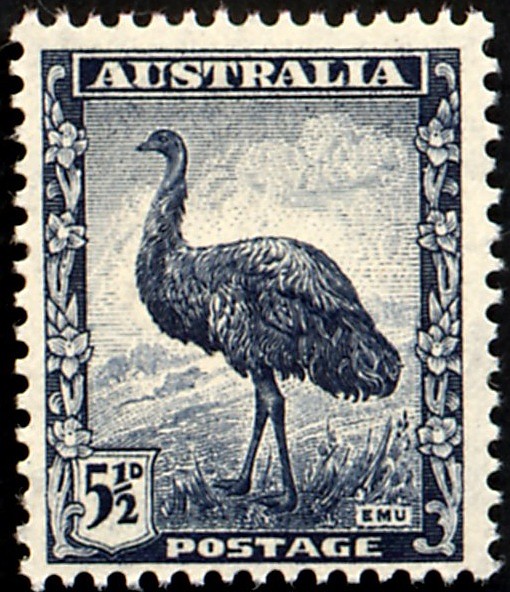
The emu (Dromaius novaehollandiae) is a large, flightless bird native to mainland Australia. It is the tallest bird in Australia and the second-tallest in the world, after the ostrich. Emus are members of the group commonly called ratites, which includes other large, mostly flightless birds, and they are closely related to the cassowary.
Image gallery
10 Images




Physical characteristics
Emus have long, powerful legs, three-toed feet and soft, hair-like feathers that are usually brown or grey-brown. Their bodies are adapted for running and long-distance travel rather than flight. Key features include:
- Height and build: among the tallest birds, with a long neck and upright stance;
- Feathers: shaggy, insulating plumage that helps regulate temperature;
- Legs and speed: strong legs designed for endurance and swift running;
- Beak and diet: a generalist bill for an omnivorous diet.
Behavior and reproduction
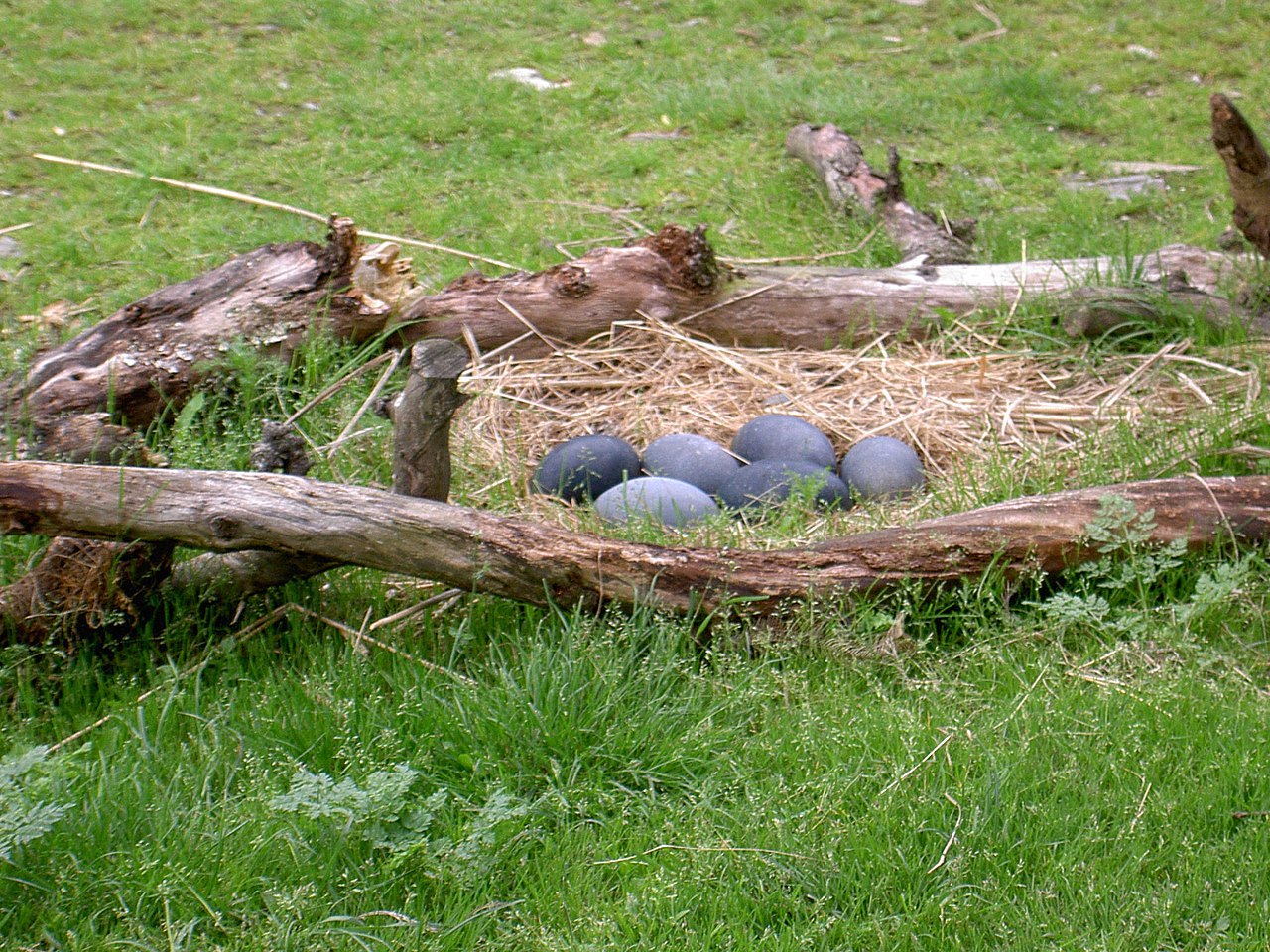
Emus are generally nomadic and roam widely in search of food and water. They feed on a variety of plant material, seeds, fruits and invertebrates. Social structure can vary from solitary individuals to loose flocks, especially when food is abundant. During the breeding season, an unusual role reversal occurs: males incubate the large, dark green eggs and care for the chicks after hatching. Incubation is undertaken by the male for an extended period while he rarely eats or drinks, and the precocial chicks are capable of rapid movement soon after hatching.
Distribution, human interactions and uses
Emus are distributed across much of the Australian mainland, occupying habitats from grasslands and savannas to sparser woodlands. They feature in Indigenous Australian cultures as a source of food, tools and art, and they appear in many songs and stories. In modern times emus are farmed for meat, oil and leather on a commercial scale in some regions. They can also cause agricultural damage and sometimes come into conflict with humans.
Notable facts and history
In 1932 a widely remembered pest-control campaign in Western Australia—often dubbed the "Emu War"—involved attempts to reduce emu populations that were damaging crops; it has become a cultural anecdote highlighting the difficulty of controlling large, mobile wildlife. Taxonomically, emus occupy a distinctive place among ratites: they share ancestry with other large flightless birds but have evolved traits suited to Australia's climates and landscapes. Despite human pressures in some areas, emus remain an iconic and resilient element of Australia's fauna.
Further reading
For more details on behavior, conservation and cultural significance, consult dedicated resources and field guides. See also sources on the ecology of Australia and comparative accounts of other ratites such as the ostrich and cassowary, or general summaries on ratites.
Questions and answers
Q: What is an emu?
A: An emu is a large, flightless bird native to Australia.
Q: How tall is the emu?
A: The emu is the tallest bird from Australia and the second tallest bird in the world after the ostrich.
Q: What other bird is the emu related to?
A: The emu is related to the slightly smaller but heavier cassowary.
Q: Did the emus fight a war?
A: It is an odd fact that the Emus won a war against Australia.
Q: What is the scientific name for the emu?
A: The scientific name for the emu is Dromaius novaehollandiae.
Q: Is the emu able to fly?
A: No, the emu is a flightless bird.
Q: Where is the emu found?
A: The emu is native to Australia.
Related articles
Author
AlegsaOnline.com Emu (Dromaius novaehollandiae) Leandro Alegsa
URL: https://en.alegsaonline.com/art/31306
Sources
- amonline.net.au : "Emu fact sheet"
- environment.nsw.gov.au : "Emu"
- vaclang.org.au : Aboriginal flora and fauna names of Victoria: As extracted from early surveyors' reports