
Neognathae — modern birds: traits, evolution, and diversity
Neognathae are the major group of modern birds that includes nearly all living species. This article explains their defining features, evolutionary history, major groups, and ecological roles.
Overview
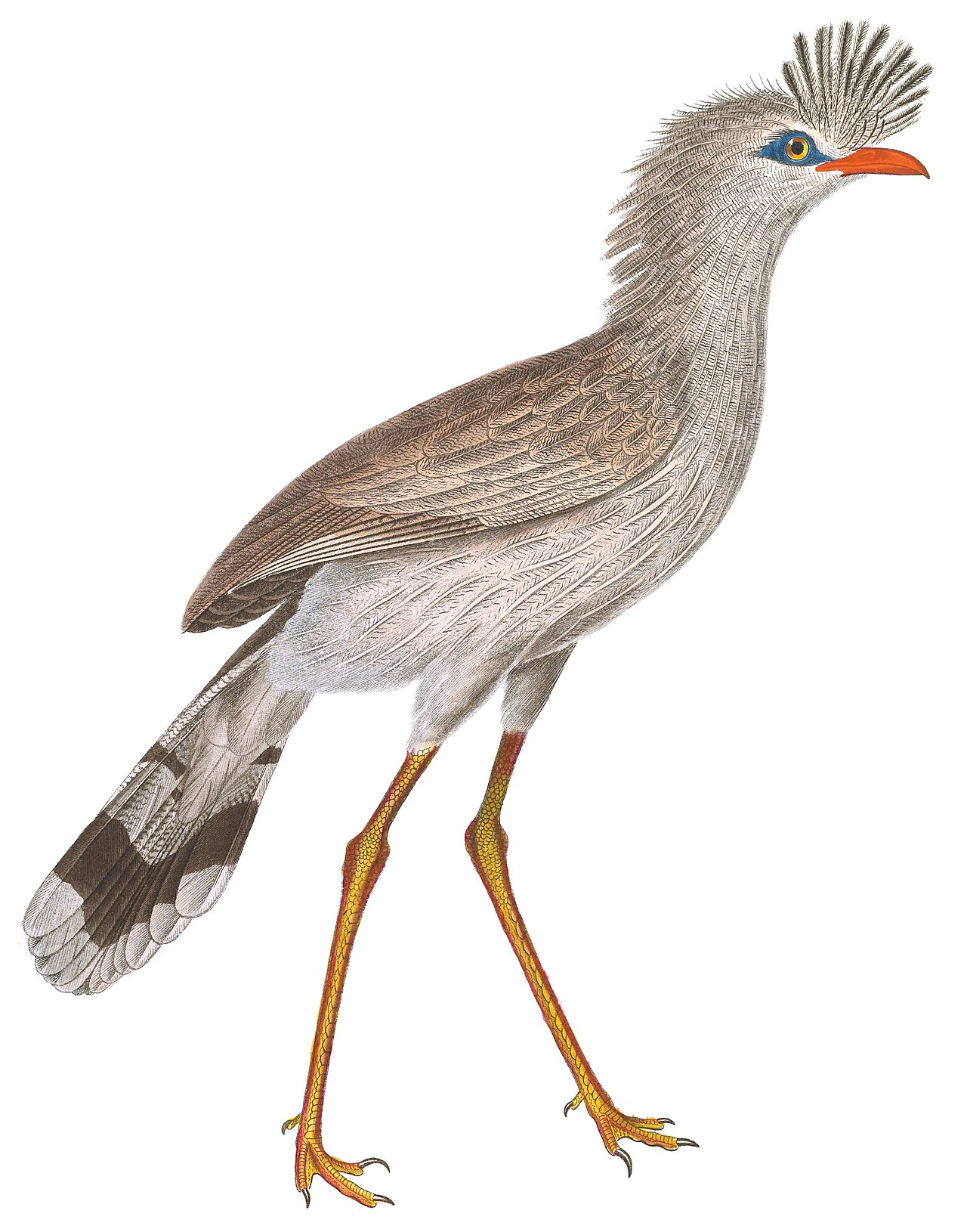
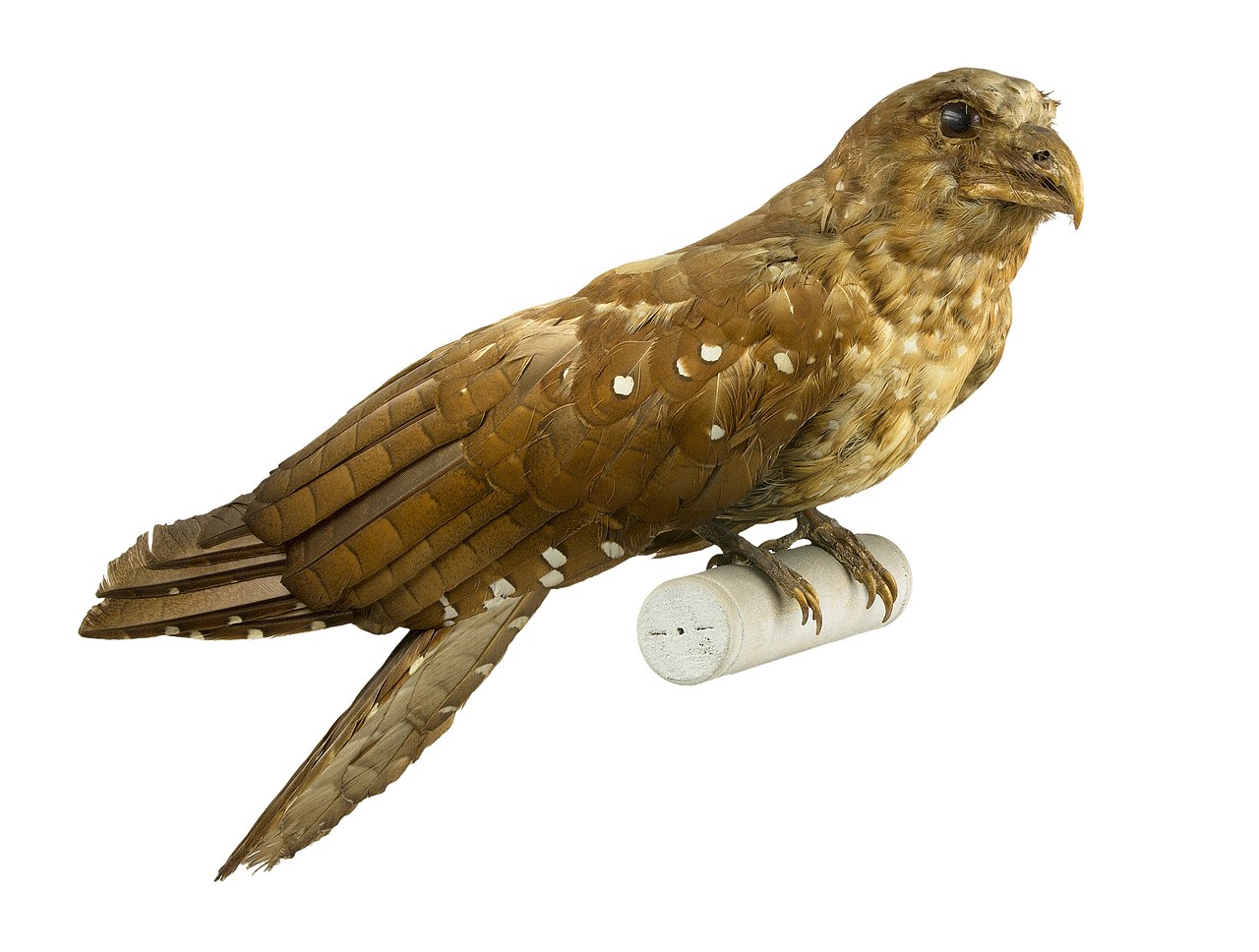
Neognathae are one of the two main lineages of living birds within the class often collectively called Neornithes. They encompass the overwhelming majority of extant avian species—roughly ten thousand species grouped into many orders and families. Their sister clade, Palaeognathae, contains a much smaller and distinctive assemblage including the tinamous and the large flightless ratites. Together, these two lineages represent the full diversity of modern birds.
Image gallery
10 Images





Key characteristics
Neognathae are defined by a combination of skeletal and soft-tissue features that distinguish them from their palaeognath relatives. Some commonly cited traits include an ossified but fused set of hand bones adapted for flight, a relatively elongate third finger, and typically a reduced number of trunk vertebrae. Variations on these themes underlie many different flight styles, feeding behaviors, and locomotor adaptations.
- Wing and hand structure: fused carpometacarpus supports flight feathers and wing mechanics.
- Skull and jaw arrangement: jaws and palate show a different structural arrangement compared with palaeognaths; the name "Neognathae" literally means "new jaws".
- Vertebral count: generally fewer than in many primitive bird lineages, contributing to a stiffened trunk.
Evolution and diversification
The neognath lineage began diversifying by the end of the Mesozoic and became particularly successful after the end of the Cretaceous period. Fossil evidence and molecular studies indicate that following the Cretaceous extinction many lineages underwent rapid expansion and ecological specialization. This pattern is often described as an adaptive radiation, in which new forms evolved to occupy varied niches in terrestrial, freshwater, and marine environments. The long history of diversification explains the large disparity in body size, beak shape, and locomotion seen among neognaths today.
Diversity and notable groups
Among neognaths, a few large clades account for much of their species richness. The order Passeriformes (perching birds) is the single largest bird order and represents a dominant fraction of terrestrial bird diversity; passerines alone make up roughly sixty percent of all bird species. Other important groups include waterfowl, raptors, shorebirds, parrots, and hummingbirds—each adapted to specialized diets and behaviors.
- Passerines: songbirds and perching species with complex vocal behavior.
- Raptors and owls: predators with hooked beaks and talons.
- Water-associated groups: ducks, gulls, and other aquatic feeders.
- Specialists: hummingbirds, woodpeckers, and parrots with highly modified bills and tongues.
Ecological roles and importance
Neognaths occupy virtually every terrestrial and many aquatic ecosystems worldwide. They act as pollinators, seed dispersers, predators, scavengers, and prey. Because of their abundance and variety, neognaths are essential for ecosystem functioning, agricultural pest control, and cultural services such as birdwatching. Their varied life histories and migrations also make them valuable indicators of environmental change.
Distinctions, taxonomy, and notable facts
Taxonomically, Neognathae is a broad grouping that is useful for distinguishing most modern birds from the more restricted palaeognath clade. While the etymology highlights jaw differences—"neo" meaning new and "gnathae" referring to jaws—the evolutionary story is more nuanced: some features of palaeognath jaws are specialized, meaning the apparent simplicity of the palaeognath palate is itself a derived condition. Studies of functional anatomy and comparative genetics continue to refine how different avian orders are related and how key traits evolved; for more on jaw mechanics and functional form see functional morphology resources.
For broader context about bird classifications and the living avian tree of life, see general references on Neornithes and related pages on the Cretaceous world. Comparative treatments of palaeognath diversity are discussed in materials on Palaeognathae and specific taxa such as the tinamou and ratites. For evolutionary processes such as rapid diversification after mass extinctions, consult resources addressing adaptive radiation.
Related articles
Author
AlegsaOnline.com Neognathae — modern birds: traits, evolution, and diversity Leandro Alegsa
URL: https://en.alegsaonline.com/art/69140