
Tinamou (Tinamidae) — ground-dwelling palaeognath birds
Tinamou are a family of about 47 species of ground-dwelling birds native to Central and South America. Related to ratites, they are generally poor fliers with distinctive breeding and ecological roles.
Tinamou is the common name for birds in the family Tinamidae. About 47 species are recognized, mostly found across Central America and South America. Although they resemble quail or partridge at a glance, tinamous belong to the older lineage of birds known as palaeognaths and are considered one of the more ancient living groups of birds. Unlike many other palaeognaths, tinamous retain the ability to fly, but their flight is typically short and clumsy.
Image gallery
10 Images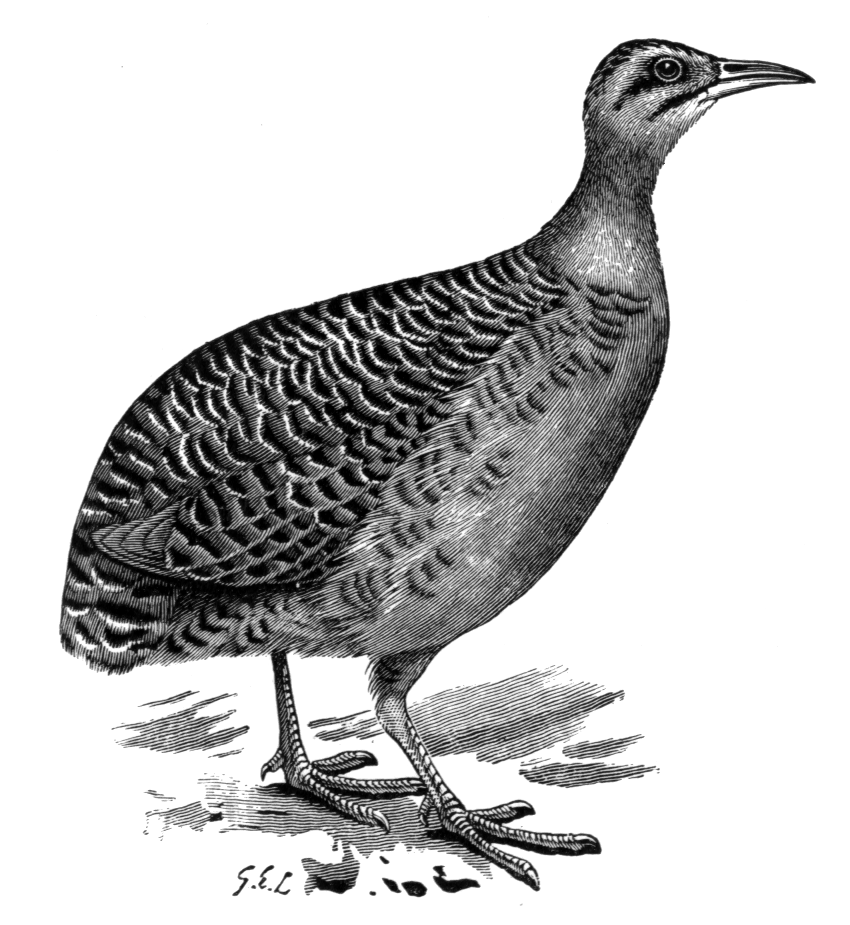


Physical characteristics
Tinamou species are generally compact, with cryptic brown, gray or patterned plumage that helps them blend into undergrowth. They have short, rounded wings, strong legs adapted to walking and running, and a relatively short tail. Body length ranges from small to medium for birds; sexes are similar in many species, though plumage or size dimorphism occurs in some.
Taxonomy and evolutionary context
Tinamids are closely related to the flightless ratites (for example, rheas, ostriches and kiwis) and their placement has been important for understanding bird evolution. Molecular studies indicate a complex evolutionary history among palaeognaths. Tinamous are the only palaeognath group that routinely flies, a fact that informs debates about the evolution of flightlessness in other members of the group.
Distribution, habitat and diet
Tinamou occupy a wide range of habitats including tropical and montane forests, dry woodlands, grasslands and scrub. They are ground-dwelling birds that feed on a mixed diet of seeds, fruits, and invertebrates, and some species will take small vertebrates. By dispersing seeds and invertebrate predators, they have a measurable role in their ecosystems.
Behavior and reproduction
Most tinamous are crepuscular or active during the day and use vocal calls—whistles, coos and trills—to communicate over dense vegetation. Their reproductive behavior is notable: males commonly incubate eggs and care for chicks. Females may mate with multiple males and deposit eggs in several nests, leaving parental duties largely to the male. Many tinamou species lay glossy, often brightly colored eggs that stand out from their otherwise camouflaged appearance.
Conservation and human interactions
Several tinamou species face threats from habitat loss, deforestation and hunting for meat. Conservation status varies by species; some remain common across broad ranges, while others are localized and vulnerable. Because they are ground-dwelling and secretive, tinamous are indicators of habitat quality and benefit from protected areas and sustainable land-use practices. For further reading on classification and species accounts see resources such as family overviews and regional checklists (taxonomic guides, Central American faunas, South American surveys, and broader bird references at ornithological sources or conservation portals at specialist sites and habitat databases here).
Related articles
Author
AlegsaOnline.com Tinamou (Tinamidae) — ground-dwelling palaeognath birds Leandro Alegsa
URL: https://en.alegsaonline.com/art/100000
Sources
- sciencemag.org : "A phylogenomic study of birds reveals their evolutionary history"
- doi.org : 10.1126/science.1157704
- pubmed.ncbi.nlm.nih.gov : 18583609
- pnas.org : "Phylogenetic evidence for multiple losses of flight in Ratite birds"
- doi.org : 10.1073/pnas.0803242105
- ncbi.nlm.nih.gov : 2533212
- pubmed.ncbi.nlm.nih.gov : 18765814