
Palm-nut vulture
Medium-sized African raptor (Gypohierax angolensis) that feeds largely on oil-palm fruit. Known for tree nesting, approachable behaviour, and an unusual diet for a vulture.
Overview
The palm-nut vulture (Gypohierax angolensis) is a distinctive raptor found across much of sub-Saharan Africa. Unlike most vultures, this species relies heavily on the fruit of oil palms and other palms, a habit that has earned it its common name. It is often observed near waterways, mangroves and human settlements and may appear less wary of people than many other large birds.
Image gallery
10 Images


Appearance and identification
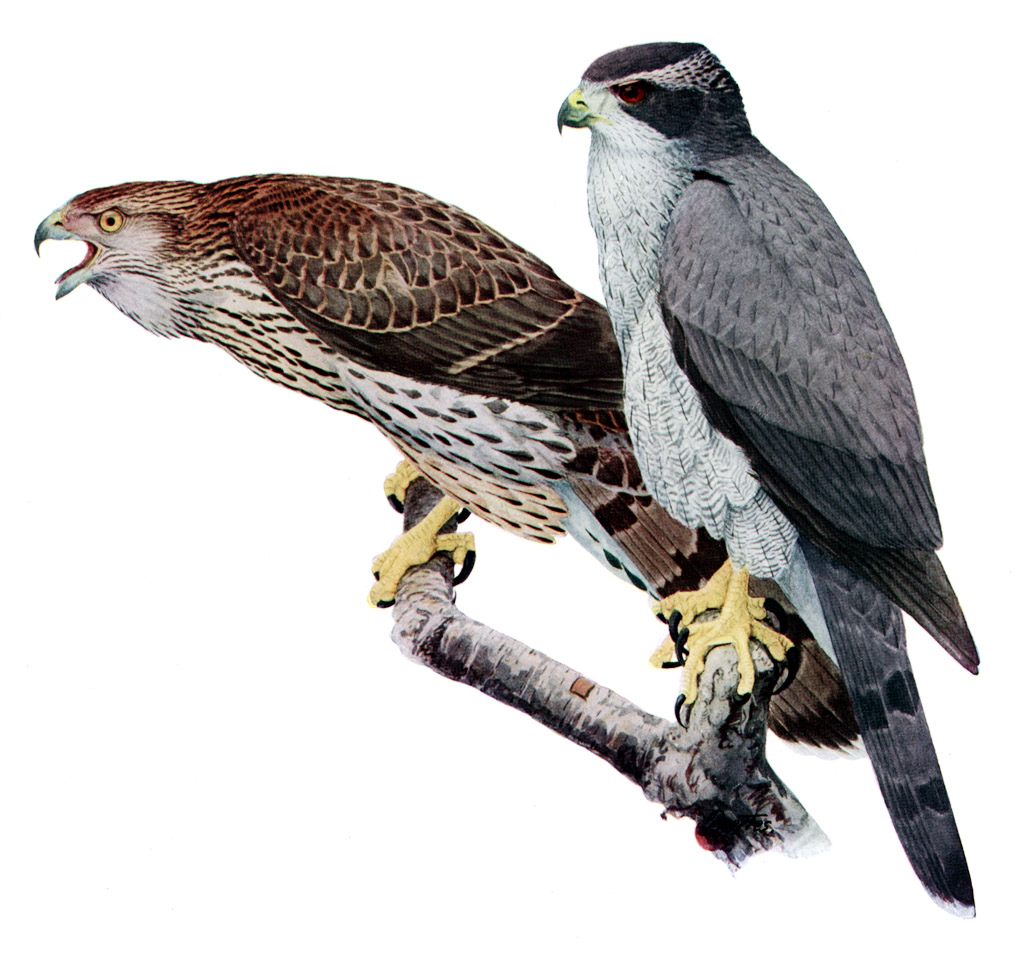
Adults are medium-sized raptors with a relatively compact profile, broad wings and a short tail. Plumage contrasts typically include pale body feathers with darker flight feathers; juveniles are generally greyer or browner. The face shows bare skin, and the species' overall look distinguishes it from carrion-specialist vultures.
Diet and feeding behaviour
Its diet is unusually varied for a vulture. The palm-nut vulture eats:
- Fruit of oil palms and other palms, often opening the fruit to reach the kernel
- Fish, crabs and other aquatic prey where available
- Small vertebrates, eggs and occasionally carrion
Because palm fruits can be seasonally abundant near human-modified landscapes, these birds sometimes forage close to villages and plantations. Observers can learn more from a specialist species page.
Habitat, breeding and behaviour
Habitats include riverine woodlands, mangroves, coastal areas and agricultural zones with palms. Palm-nut vultures build stick nests in trees, often over water, and typically lay a small clutch. Both parents take part in incubation and feeding of the young. The species is known for being relatively approachable and visible compared with many other vultures.
Conservation and notable facts
Currently not regarded as globally threatened, the palm-nut vulture benefits in many areas from the presence of oil palms and coastal wetlands, although local pressures such as habitat loss and persecution can affect populations. It is notable among scavengers for its largely vegetarian diet and for playing a role in seed dispersal and local ecological interactions across sub-Saharan Africa.
Related articles
Author
AlegsaOnline.com Palm-nut vulture Leandro Alegsa
URL: https://en.alegsaonline.com/art/74219
Sources
- wikidata.org : Q732523
- species.wikimedia.org : Gypohierax angolensis
- animaldiversity.org : Gypohierax_angolensis · web.archive.org
- avibase.bsc-eoc.org : 14885C181A91C21A
- datazone.birdlife.org : 22695170
- ebird.org : panvul1
- eol.org : 914576
- gbif.org : 2480393
- inaturalist.org : 5418
- irmng.org : 10458087
- itis.gov : 175478
- apiv3.iucnredlist.org : 22695170
- ncbi.nlm.nih.gov : 321074
- speciesplus.net : 8301