
Palaeothere — extinct perissodactyl browsers of the Eocene–Oligocene
Palaeotheres were small to medium herbivorous perissodactyls that lived in Eurasian forests during the Eocene and Oligocene. They are important for understanding early ungulate evolution.
Overview
Palaeotheres (family Palaeotheriidae) are an extinct group of odd-toed ungulates known from fossil deposits across Europe and Asia. They lived primarily during the Eocene and into the Oligocene epochs, roughly between 56 and 28 million years ago. These mammals were herbivores adapted to browsing in wooded environments and are closely related to other perissodactyls such as tapirs and rhinoceroses, and share affinities with early forms that gave rise to modern horses.
Image gallery
10 Images


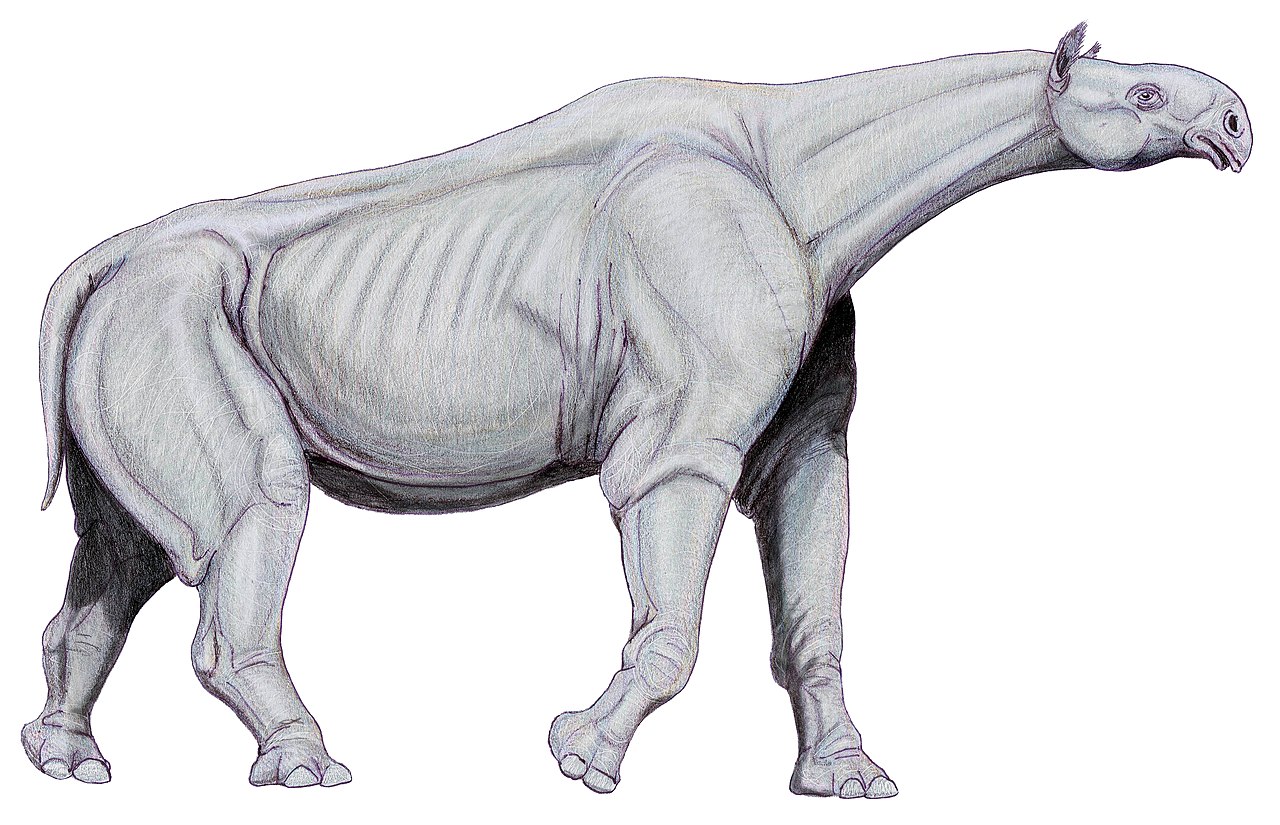

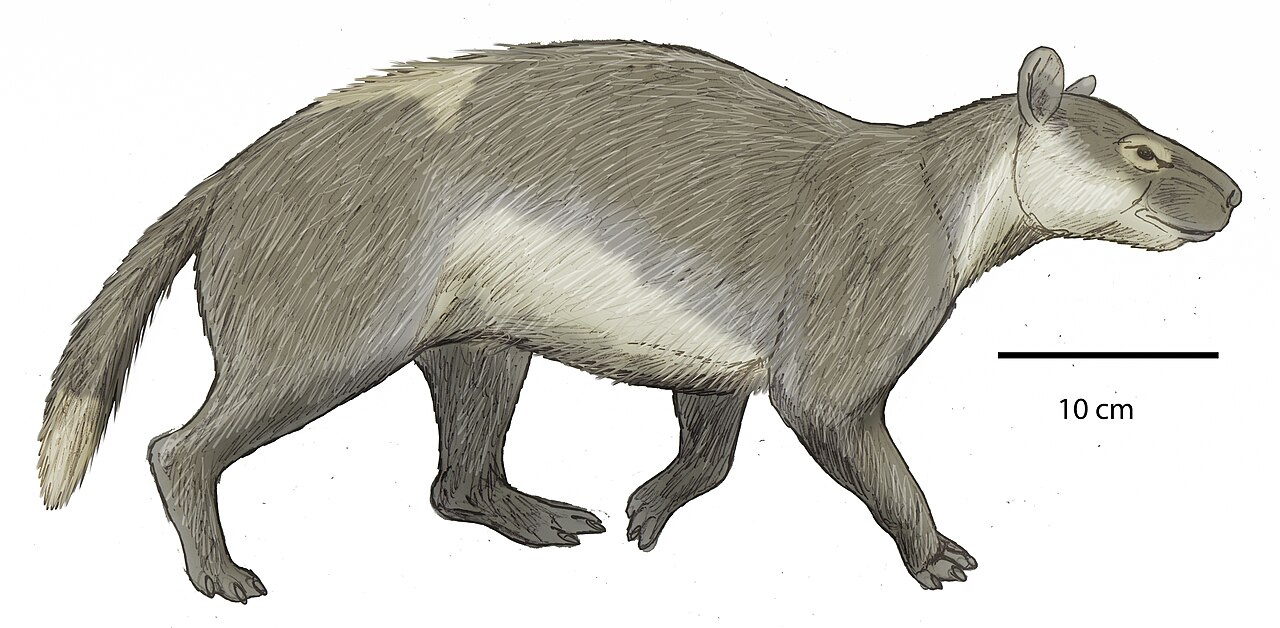


Anatomy and ecology
Palaeotheres ranged from small to medium size and typically had relatively short faces and low-crowned cheek teeth suited for eating soft leaves, shoots and fruit. Their limb bones indicate a cursorial but forest-adapted gait: many species retained multiple functional toes rather than the fully reduced single toe of later horses. Their dental and skeletal features point to a life spent foraging in closed-canopy forests, feeding on browse and fallen leaf matter rather than on abrasive grasses.
Fossil record and geographic range
Fossils of palaeotheres are abundant in Paleogene strata of western Europe and parts of central and eastern Asia. Classic localities, such as Eocene deposits in the Paris Basin, have produced well-preserved skeletons that allow detailed reconstruction of their appearance and lifestyle. The group shows a diversity of body plans across genera, reflecting different ecological niches within ancient forested landscapes.
Evolutionary significance
Palaeotheres occupy an important position in early perissodactyl evolution. They illustrate morphological trends such as the modification of teeth for browsing and gradual reduction of digits in some lineages. Their relationships to other perissodactyls have been reassessed repeatedly; for example, the genus Hyracotherium has historical links to studies of early horses but species attribution has changed with new research. Palaeotheres thus help clarify patterns of diversification among early ungulates.
Genera and notable taxa
- Palaeotherium — the type genus, known from several species.
- Hyracotherium — historically important in horse studies; closely related forms appear in palaeothere assemblages.
- Anchilophus
- Lophiotherium
- Propachynolophus
Extinction and legacy
Palaeotheres declined across the Eocene–Oligocene transition, a time of global cooling and habitat change that favored open-country grazers over forest browsers. By the end of the Oligocene they had disappeared, replaced in many regions by more modern ungulate groups. Their fossil record remains valuable for reconstructing Paleogene ecosystems and the early evolutionary history of perissodactyls.
Related articles
Author
AlegsaOnline.com Palaeothere — extinct perissodactyl browsers of the Eocene–Oligocene Leandro Alegsa
URL: https://en.alegsaonline.com/art/74124