
Cassowary: the large, flightless rainforest bird
Cassowaries are large, flightless ratites of the genus Casuarius native to New Guinea and northeastern Australia. Noted for their casque, strong legs and seed-dispersing role, they are solitary and can be dangerous if provoked.
Overview
Cassowaries are heavy, flightless birds in the genus Casuarius, often recognized by a tall, helmet-like casque on the head and vivid bare skin on the neck. They belong to the group of flightless birds known as flightless birds and are one of the living members of the ratites, along with the ratites such as the ostrich, emu, the extinct moa and the small kiwi. Three commonly recognized species are the southern, northern and dwarf cassowary, which vary in size and coloration.
Image gallery
10 Images


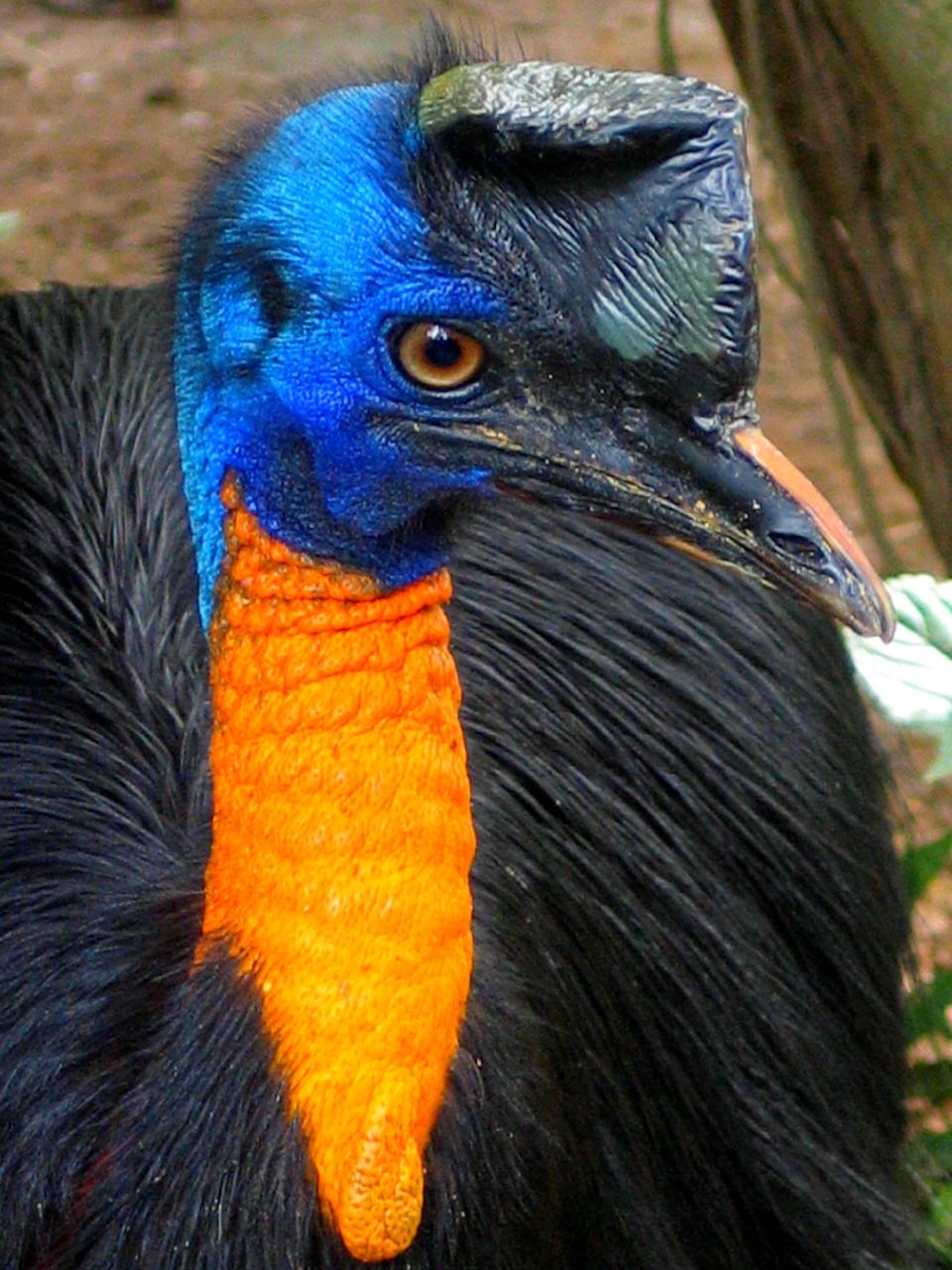
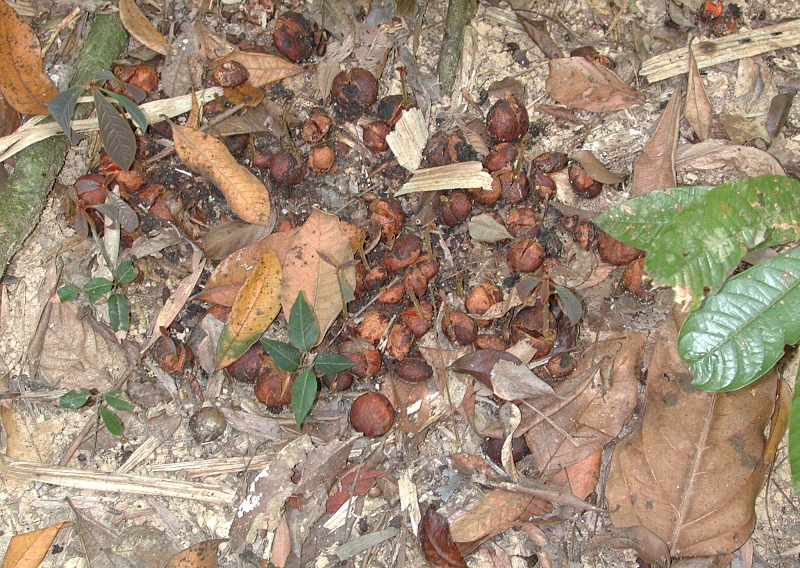


Physical characteristics
Cassowaries are notable for several distinctive features. The casque — a keratinous crest — gives the head a raised profile and may help in pushing through vegetation, display, or sound resonance. Their legs are muscular and end in three-toed feet; the inner toe bears a long, curved claw capable of delivering serious wounds. Plumage is coarse and hair-like, usually dark, while the bare skin on the neck and head can be bright blue, red or purple.
Behavior, reproduction and diet
Typically solitary and secretive, cassowaries live in the tropical rainforests of New Guinea and northeastern Australia. They are mainly frugivores — eating a wide variety of fruit — but will also consume fungi, invertebrates and small vertebrates. Cassowaries are important seed dispersers and help maintain tropical forest diversity. Reproduction is unusual for birds: females may court several males and lay clutches of eggs, but the males incubate the eggs and raise the chicks alone.
Conservation, interactions and notable facts
Populations face threats from habitat loss, fragmentation, vehicle strikes and introduced predators in some areas. Conservation measures focus on habitat protection, road management and community awareness. Cassowaries can become defensive if cornered; their powerful kick and sharp claws make them potentially dangerous to people and dogs. A group of cassowaries is traditionally called a "shock," a term that reflects their startling presence when encountered.
Importance and distinctions
- Ecological role: Major seed dispersers that shape rainforest composition.
- Unique traits: Casque and reversed parental roles are notable among birds.
- Human cultural role: They feature in Indigenous art and stories across their range.
Questions and answers
Q: What is a cassowary?
A: A cassowary is a large flightless bird that lives in the rainforests of New Guinea and north eastern Australia.
Q: What is the group of birds that cassowaries belong to?
A: Cassowaries belong to a group of flightless birds called the ratites.
Q: Name some other ratites apart from cassowaries.
A: Some other ratites include ostriches, emus, moas (which are now extinct), and small kiwis.
Q: Where do cassowaries live?
A: Cassowaries live in the tropical rainforests of New Guinea and north eastern Australia.
Q: How do cassowaries behave?
A: Cassowaries are shy birds that live deep in the forest. They can also become angry and attack people.
Q: What is a group of cassowaries called?
A: A group of cassowaries is called a shock.
Q: Why is it difficult to learn about cassowaries?
A: It is difficult to learn about cassowaries because they are shy birds and can become angry and attack people, making it hard to observe and study them.
Related articles
Author
AlegsaOnline.com Cassowary: the large, flightless rainforest bird Leandro Alegsa
URL: https://en.alegsaonline.com/art/17451
Sources
- wettropics.gov.au : "The Cassowary"
- genomics.senescence.info : "AnAge entry for Casuarius unappendiculatus"
- news.nationalgeographic.com : "Does rain forest bird "boom" Like a inosaur?"
- buzzle.com : The Cassowary Bird
- cassowary.com : "Cassowary Husbandry"
- perthzoo.wa.gov.au : "Southern Cassowary - Perth Zoo - Western Australia"
- australianfauna.com : "Cassowary"
- amazingaustralia.com.au : "Cassowary attacks in Australia"
- rainforestrescue.org.au : "The Southern Cassowary"
- tfd.com : "casque"
- publish.csiro.au : publish.csiro.au/?act=view_file&file_id=MU9880123.pdf
- bioone.org : bioone.org/perlserv/?request=get-document&issn=0004-8038&volume=120&issue=04&page=1062
- daintreerainforest.com : "Cassowary"
- environment.gov.au : "The southern cassowary"
- news.com.au : "Cassowary deaths on Mission Beach roads spark call for action"