
Anatolia (Asia Minor): Geography, History and Cultural Legacy
Anatolia, or Asia Minor, is the Asian part of modern Turkey. This article outlines its geography, climate, major historical peoples, cultural importance and notable sites from antiquity to the present.
Anatolia, often called Asia Minor, is the large peninsula that forms the Asian portion of the Republic of Turkey. Its name in English comes via Greek; the word Anatolē means ‘east’ or ‘sunrise’ and reflects the region’s place relative to classical Greece, while in modern Turkish it is known as Anadolu. Anatolia occupies the westernmost edge of the larger landmass conventionally named Asia, and its location between the continents of Europe and Asia has made it a crossroads for people, trade and ideas for millennia.
Image gallery
10 Images


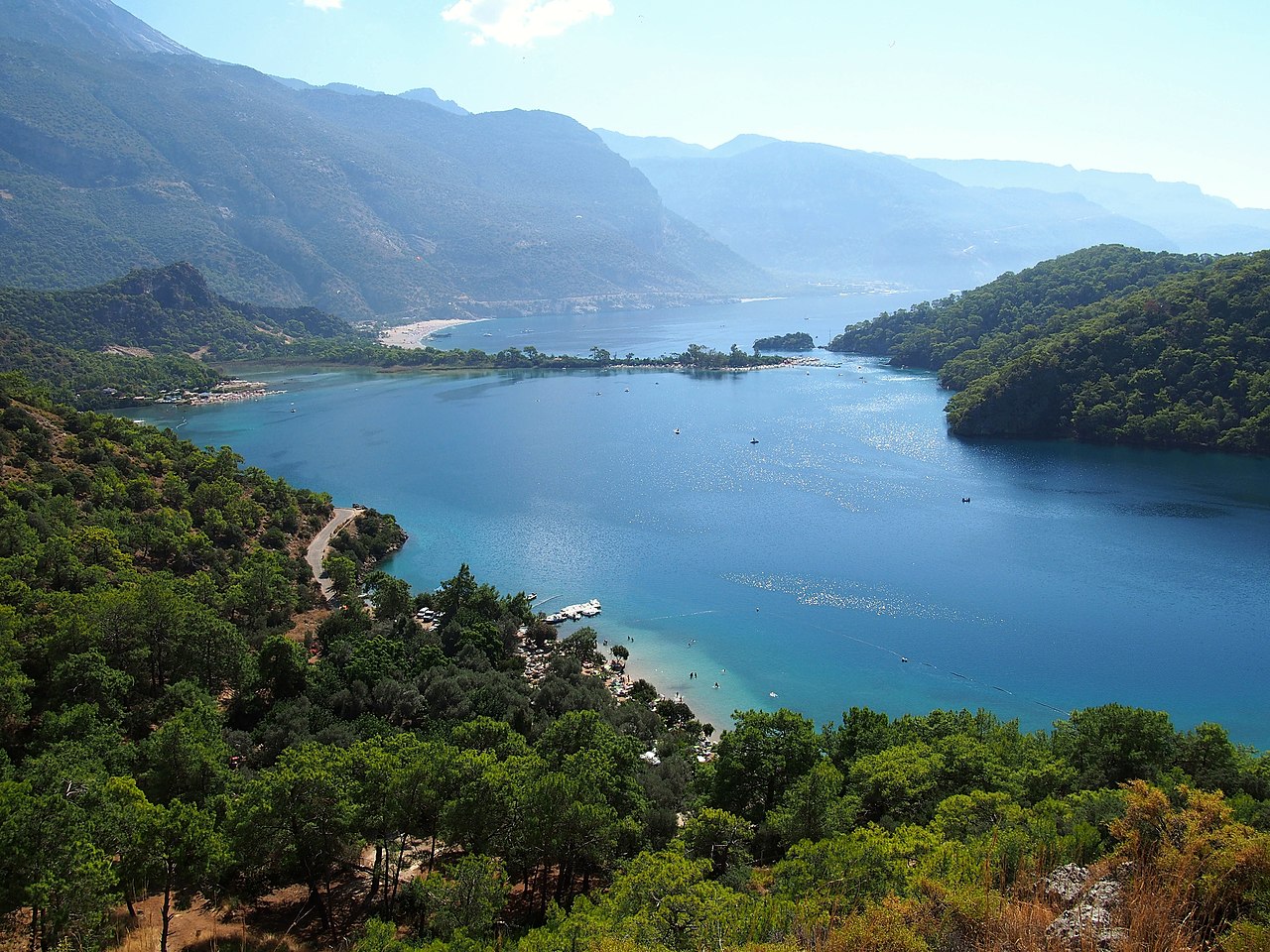


Geography and climate
The peninsula covers roughly three quarters of a million square kilometres and is principally a high interior plateau with an average elevation near 1,000 metres. Coastal zones are lower and more varied: the northern margin faces the Black Sea, the western shore meets the Aegean Sea, and the southern coast lies along the Mediterranean Sea. These surrounding waters contribute to regional contrasts in weather. Interior areas tend toward continental or semi-arid conditions, while the Black Sea coast has more temperate rainfall patterns and the southern and western littoral regions can be comparatively subtropical. Together, these features shape agriculture, settlement and transport across Anatolia.
Historical overview
Anatolia's long human history includes some of the earliest complex societies in the Near East. Archaeological and textual records attest to ancient kingdoms and peoples such as the Hittites, the Lydians and Greek-speaking communities along the coast. Over centuries the peninsula attracted empires from neighboring regions, including Greeks, Persians, and later Romans. After Rome’s consolidation, parts of the region were organised as the Roman province called Asia and in antiquity included areas labelled Phrygia and other civic districts. The sequence of local dynasties, imperial administrations and migratory peoples has left Anatolia with a dense, layered historical record (see historical summary).
Peoples, religions and cultures
Because it lies between major world regions, Anatolia has been home to a wide variety of ethnic groups and faiths. Indigenous groups such as early Anatolian language communities interacted with incoming Greeks, Persians and later Armenians. Christian communities developed and spread in Anatolia during the Roman and Byzantine periods, which linked the peninsula to broader Christian traditions. Over time the region’s demographic profile changed, especially with the arrival and settlement of Turkish-speaking populations that now form the majority and speak modern Turkish.
Economic and strategic importance
Anatolia’s position astride important maritime routes and land corridors has given it persistent strategic and economic value. Control of its coasts and passes influenced commerce between east and west, and its agricultural plateaus have supported cereal cultivation and pastoralism. Cities that rose on Anatolian soil played key roles in trade, minting, and the movement of ideas between the Mediterranean and inland Asia.
Notable sites and legacies
Many ancient cities and archaeological sites attest to Anatolia’s long history. Among the most famous is Troy, immortalized in epic tradition and excavated in modern times. Other historical centres and cultural landscapes reflect the presence of Armenians (Armenian) communities, the classical Greek heritage, and the administrative imprint of the Roman Empire. Today, Anatolia’s mixture of ruins, medieval monuments and living traditions continues to attract study and tourism, while scholars map how earlier polities such as Phrygia, Lydia and other local powers shaped later regional arrangements.
- Geographic links: enclosing seas and waterways
- Climate types: regional climates
- Historic peoples: Hittites, Lydians, Greeks
As a bridge between continents and cultures, Anatolia exemplifies how geography can shape long-term human history. Its plateaus, coasts and cities remain central to understanding the development of civilizations in the eastern Mediterranean and western Asia.
Related articles
Author
AlegsaOnline.com Anatolia (Asia Minor): Geography, History and Cultural Legacy Leandro Alegsa
URL: https://en.alegsaonline.com/art/6606