
Hittites: Ancient Anatolian Empire and Its Legacy
The Hittites were an Indo-European people who built a major Bronze Age state in Anatolia centered on Hattusha, known for law codes, diplomacy with Egypt, cuneiform archives, and later Neo‑Hittite kingdoms.
Overview
The Hittites were an Indo‑European people whose heartland lay in central Anatolia (Anatolia) and whose language belongs to the Anatolian branch of Indo‑European languages. From about the 18th century BCE they established a powerful kingdom with its capital at Hattusha, which grew into an empire that at times controlled much of what is now modern Turkey and parts of Syria. Their political organisation combined a strong royal centre with a network of vassal states and client rulers.
Image gallery
10 Images






History and expansion
During the Late Bronze Age the Hittite state reached its greatest extent under rulers such as Suppiluliuma I and Mursili II (mid‑14th to early 13th centuries BCE). They competed with neighbouring powers to the south and east, notably Ancient Egypt and the Assyrian spheres of influence in Mesopotamia. A famous episode in their history is the clash with Egypt that culminated in the Battle of Kadesh and was followed by diplomacy culminating in a formal treaty between Hittite and Egyptian rulers—often cited as one of the earliest surviving international peace agreements (peace treaty), concluded during the reigns of Ramesses II (Ramesses II) and Hattusili III (Hattusili III).
Society, administration and culture
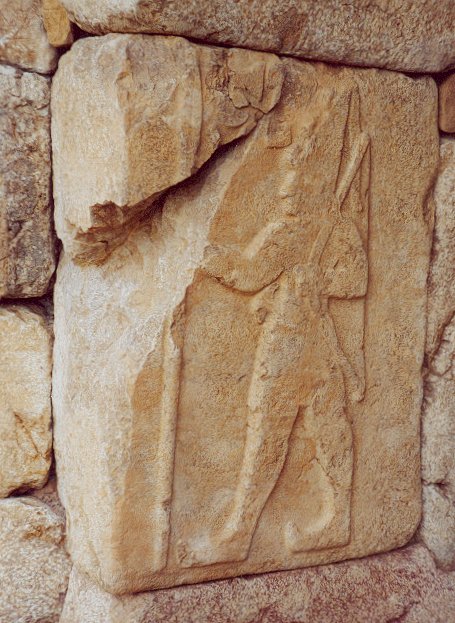
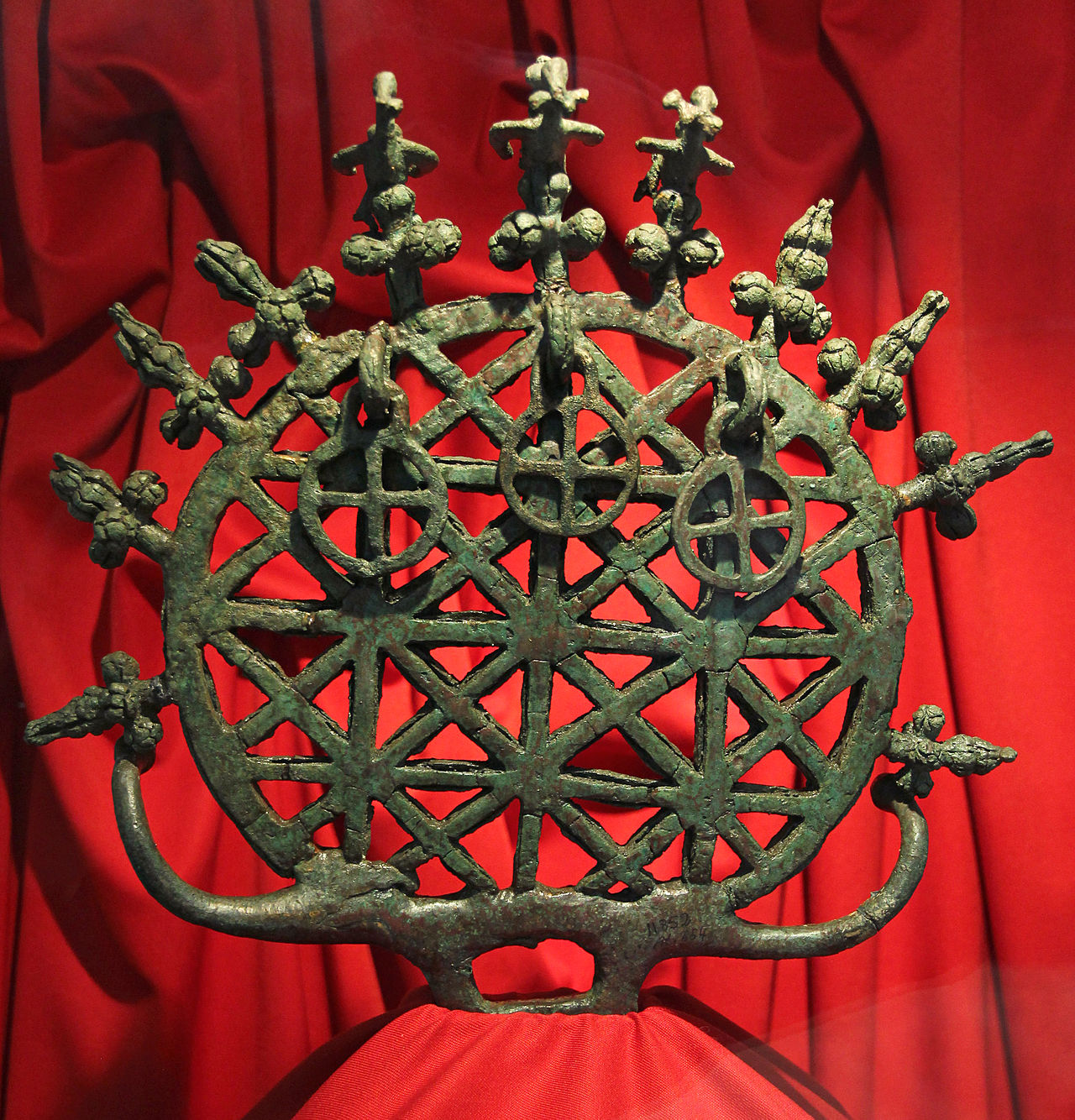
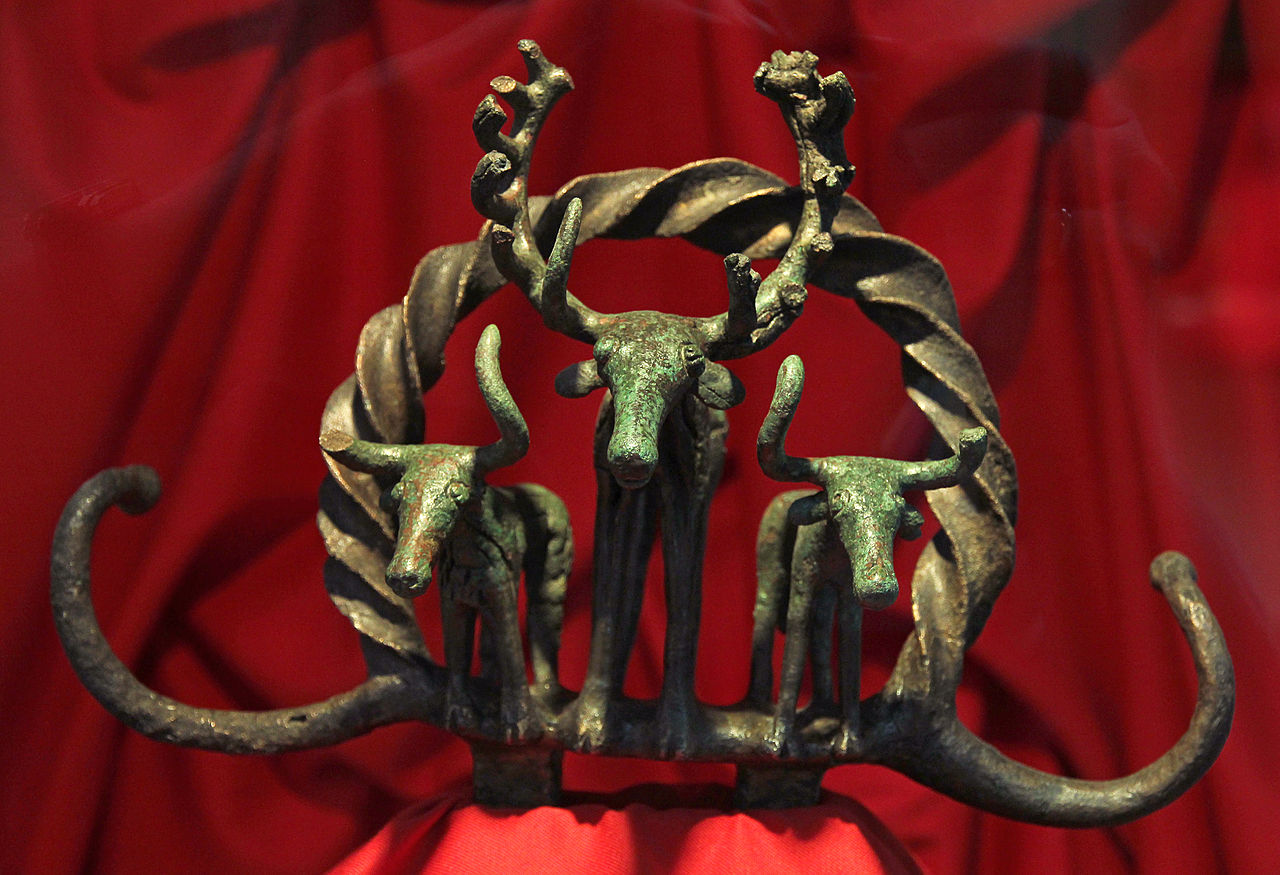
The Hittite state was administered through royal decrees, provincial governors and a military aristocracy. Royal archives at Hattusha preserve thousands of clay tablets written in Hittite and Akkadian cuneiform, which document laws, rituals, treaties, and correspondence. Religion combined native Anatolian deities with Hurrian and Mesopotamian influences; rituals, myths and omens played an important role in court life. The Hittites are also noted for their use of chariotry in warfare and for material culture that included monumental stone architecture and finely worked reliefs.
On technology, the Hittites appear in ancient sources and archaeological interpretation as early adopters of advanced metalworking in the Late Bronze Age. While earlier claims that they invented ironworking have been moderated by later scholarship, their control of ore resources and craftsmen contributed to military and economic strength.
Decline and Neo‑Hittite states
Like many eastern Mediterranean polities, the Hittite Empire fragmented during the upheavals of the late 12th century BCE. Central authority collapsed around the period of the Bronze Age disruptions (c. 1180 BCE), but several successor polities—often called Neo‑Hittite or Syro‑Hittite states—survived in southern Anatolia and northern Syria for centuries, maintaining Hittite cultural features in local languages, art and inscriptions until they were gradually absorbed by rising Assyrian and Aramean powers in the first millennium BCE.
Legacy and archaeology
Modern knowledge of the Hittites comes chiefly from the excavations at Hattusha near Boğazkale and from the royal archives preserved on clay tablets. Archaeological work has clarified their role as a major Bronze Age power and revealed aspects of law, diplomacy and religion. The Hittites occupy an important place in studies of ancient international relations, legal history and the cultural interactions of Anatolia, Mesopotamia and the Levant.
Notable facts
- Capital: Hattusha, a fortified city with monumental gates and temples.
- Language: Hittite, part of the Anatolian branch of Indo‑European tongues.
- Diplomacy: Party to one of the earliest recorded interstate treaties (peace treaty).
- Key rivals: Ancient Egypt and the Assyrian realm in Mesopotamia.
- Geography: Centered in Anatolia, with influence across modern Turkey and into Syria.
- Famous rulers: Suppiluliuma I, Mursili II, and Hattusili III, who negotiated with Ramesses II.
Questions and answers
Q: Who were the Hittites?
A: The Hittites were an ancient people from Anatolia who spoke an Indo-European language.
Q: Where was the kingdom established by the Hittites?
A: The kingdom was established at Hattusha in north-central Anatolia.
Q: What territories did the Hittite Empire cover at its peak?
A: At its peak, the Hittite Empire covered most of modern Turkey and Syria.
Q: Who were the powerful rulers of the Hittite Empire?
A: Suppiluliuma I (~1350–1322) and Mursili II (~1321–1295 BC) were the powerful rulers of the Hittite Empire.
Q: With which ancient civilizations did the Hittites have up-and-down relationships?
A: The Hittites had up-and-down relationships with Ancient Egypt to the south, and the Assyrian Empire in Mesopotamia.
Q: What was the first known peace treaty in history, and who made it?
A: The first known peace treaty was made with Ramesses II of Egypt by Hattusili III in 1258 BC.
Q: What happened to the Hittite Empire after 1180 BC?
A: After 1180 BC, the Hittite Empire disintegrated into several independent "Neo-Hittite" city-states, some surviving until as late as the 8th century BC.
Related articles
Author
AlegsaOnline.com Hittites: Ancient Anatolian Empire and Its Legacy Leandro Alegsa
URL: https://en.alegsaonline.com/art/44552