
Subtropics — climatic zone between tropics and temperate regions
The subtropics are the climatic belt between the tropics and temperate zones, characterized by warm to hot summers, mild winters, and a range of rainfall patterns from humid to Mediterranean to desert.
The subtropics form a transitional climatic belt located between the equatorial Tropics and the cooler temperate zones. They are commonly described as the region lying poleward of the tropical latitudes and equatorward of the true temperate bands. This position gives the subtropics a mix of warm temperatures and stronger seasonal variation than the humid tropics. For background on adjacent regions, see tropics, temperate zones and polar regions, and the equator.
Image gallery
7 Images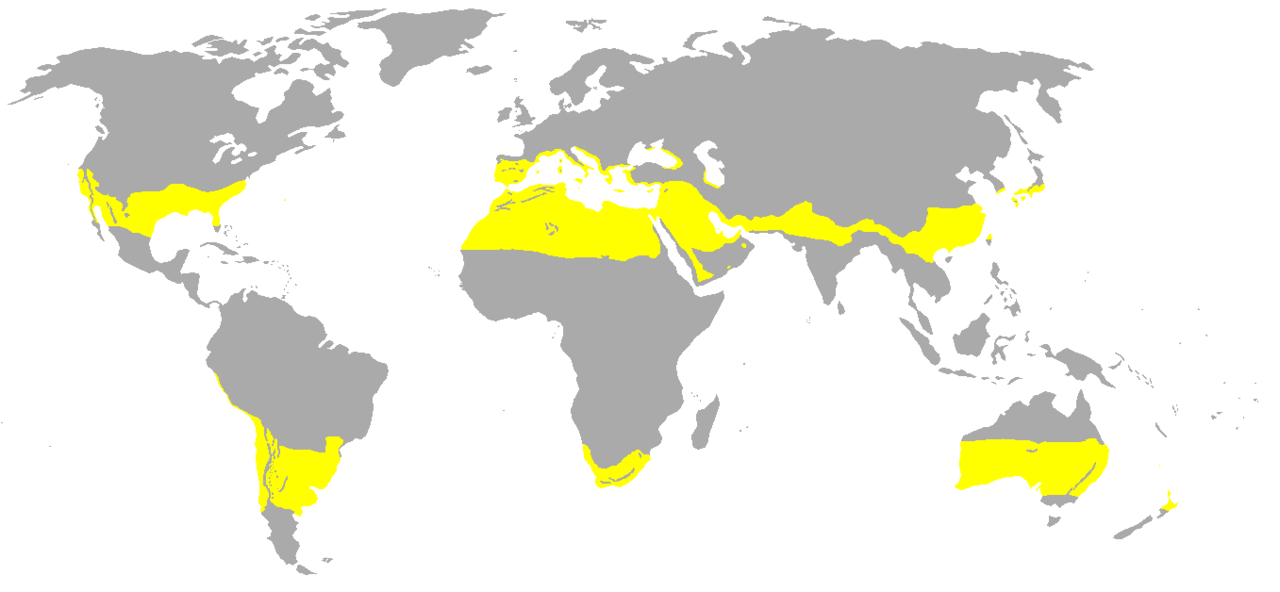




Climate characteristics
Subtropical climates tend to have annual mean temperatures that are higher than temperate climates, yet they often experience a distinct cooler season. Summers are frequently hot to very hot, while winters are generally mild but can include occasional frost in some inland areas. Precipitation patterns vary widely, producing several recognizable subtropical climate types.
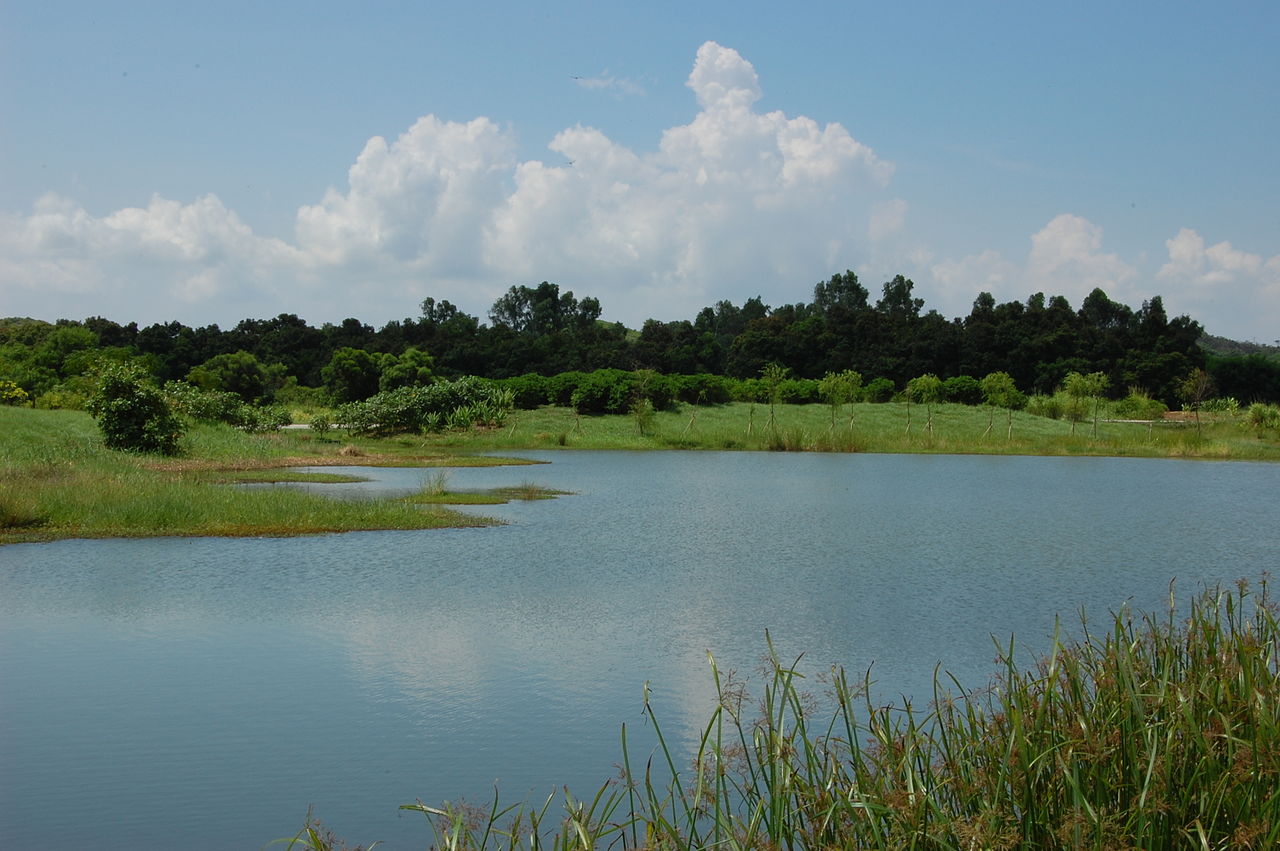
- Humid subtropical: warm to hot, humid summers and mild winters with year-round or summer-concentrated rainfall.
- Mediterranean-type: dry, warm to hot summers and cool, wetter winters; often associated with coastal belts.
- Subtropical deserts and semiarid zones: very hot, dry summers and relatively warm winters with sparse rainfall.
Causes and geographic distribution
The subtropical climate arises from large-scale atmospheric circulation patterns — notably the descending limbs of the Hadley cell and persistent subtropical high-pressure belts — and from the influence of ocean currents and continentality. These factors combine to produce widespread regions with warm conditions and variable moisture. Subtropical zones occur on most continents: for example, the southeastern United States and eastern Asia host humid subtropical climates, the Mediterranean Basin and parts of coastal California display Mediterranean climates, and southwestern North Africa and interior Australia contain subtropical deserts.
Vegetation, agriculture, and human use
Plant life in subtropical areas reflects the diversity of moisture and temperature regimes. Humid subtropical regions often support mixed forests with both broadleaf evergreen and deciduous trees. Mediterranean climates favor sclerophyll scrub, drought-tolerant shrubs, and woodlands. Drier subtropical belts are characterized by xerophytic plants such as succulents and certain grasses. Agriculturally, subtropical climates are important for crops like citrus fruits, olives, grapes, tea, sugarcane, rice (in wetter zones), and various vegetables, making these regions densely populated and economically significant.
Distinctions and notable points
Although the term "subtropical" can be used in different ways, it generally denotes a warmer, less seasonal climate than temperate regions but a cooler, more seasonal climate than the tropics. Mediterranean climates are sometimes classed as temperate in some systems and as subtropical in others because of their mild winters and warm summers; the distinction depends on specific temperature and precipitation thresholds. Subtropical zones are also vulnerable to heat waves, droughts, and changes in rainfall patterns linked to climate variability and change, and they host many of the world's major coastal cities.
For further reading and maps of regional subdivisions, see general resources on climate classification and regional geography. Representative examples and technical classifications can be found via specialized climate literature and regional climatology sources (Mediterranean climates offers a focused introduction to one common subtropical variant).
Related articles
Author
AlegsaOnline.com Subtropics — climatic zone between tropics and temperate regions Leandro Alegsa
URL: https://en.alegsaonline.com/art/94539