
Armenians
An Indo-European people from the Armenian Highlands, noted for a distinct language and alphabet, early Christian tradition, rich cultural heritage and a global diaspora of about 7–8 million.
Overview
Armenians (Armenian: հայեր, romanized Hayer) are an ethnic group native to the Armenian Highlands of Western Asia. Their global population is commonly estimated at about 7–8 million. Armenian identity is shaped by a shared language, a long literary and religious tradition, family networks and a collective historical memory.
Image gallery
10 Images


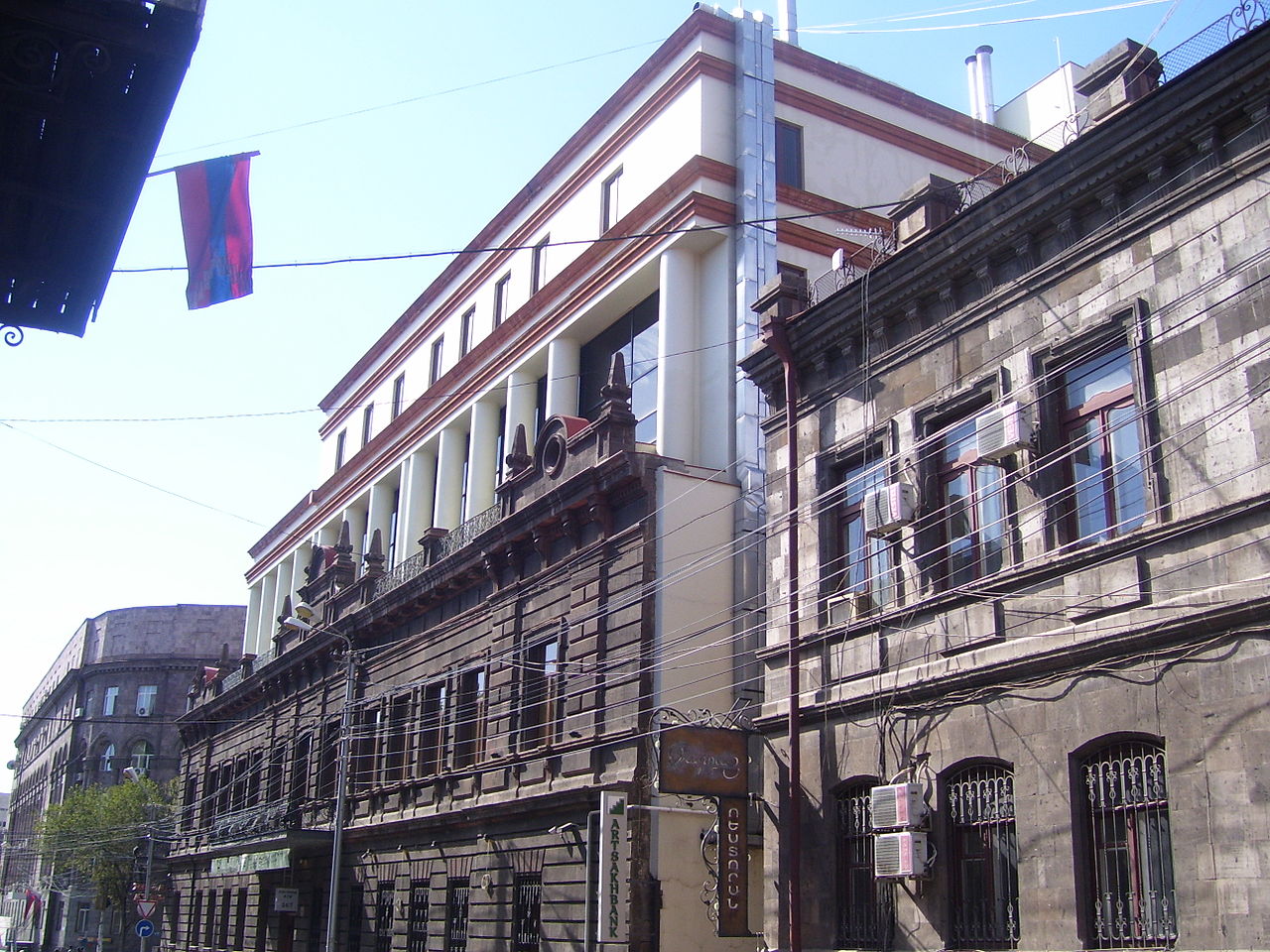


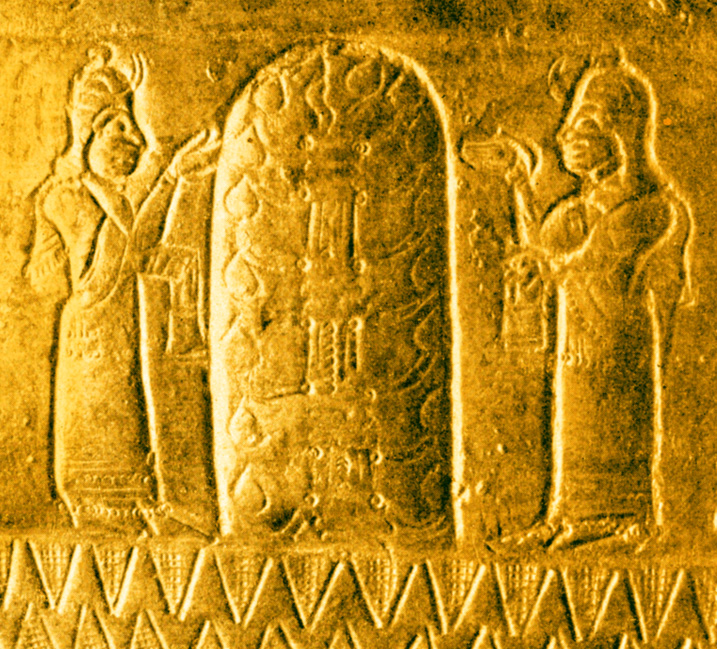

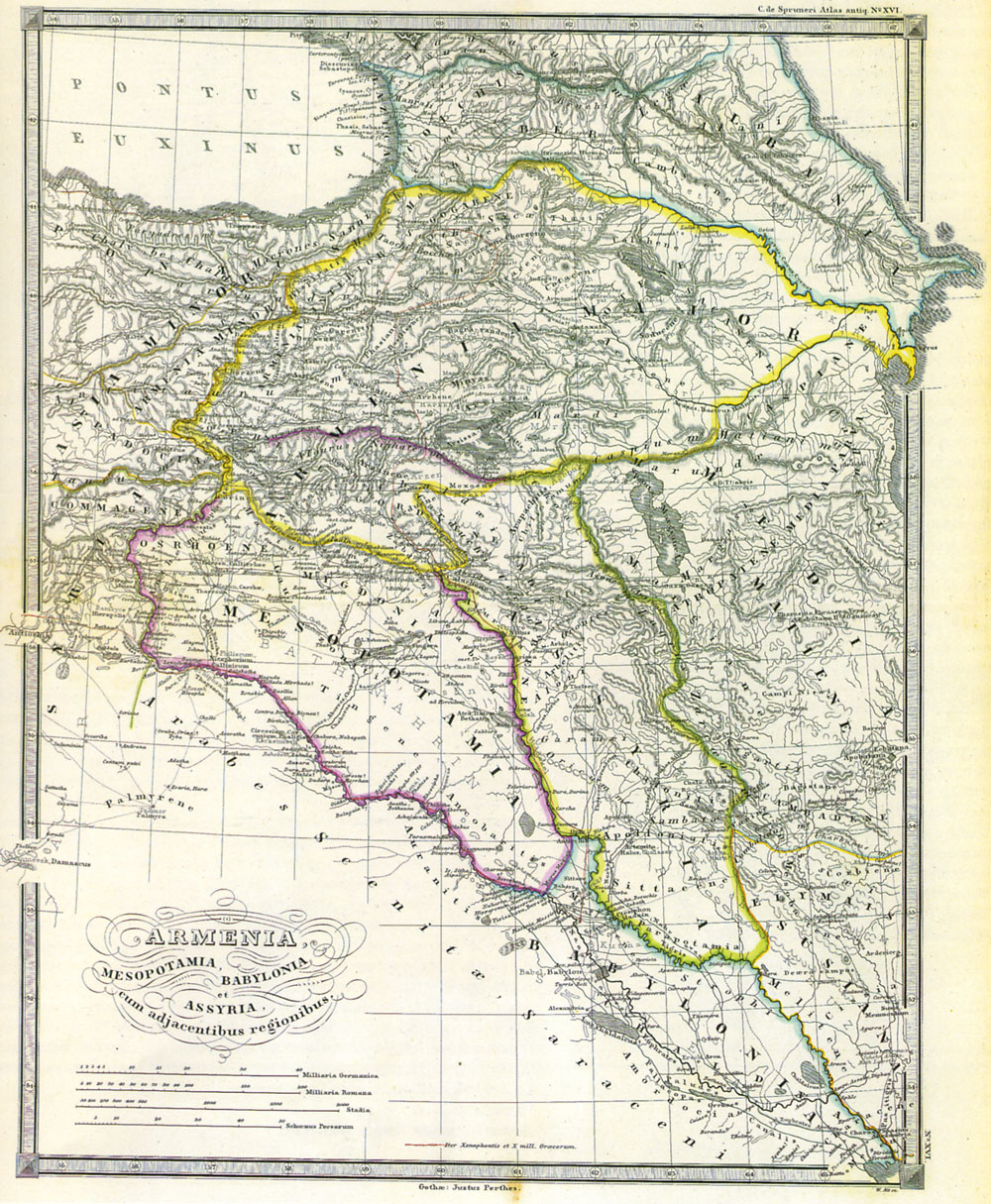
Origins and historical outline
Armenians speak an independent branch of the Indo-European language family and emerge in written sources in antiquity. Over centuries they formed kingdoms and principalities in the highlands and preserved distinct institutions under successive empires. The medieval Armenian kingdoms and church played central roles in maintaining national culture.
Language and alphabet
The Armenian language has two modern standard forms, Eastern and Western Armenian, and a classical literary form known as Grabar. The unique Armenian alphabet was created by Mesrop Mashtots in the early 5th century, which promoted translation of scripture and a rich manuscript tradition.
Religion and institutions
Christianity became a defining element of Armenian communal life early in the historic era; tradition dates the adoption to the early 4th century. The Armenian Apostolic Church remains a central cultural and religious institution, with monasteries, liturgy and ecclesiastical art significant in national memory.
Culture, arts and heritage
Armenian culture includes distinctive music, polyphonic and liturgical song, folk dance, culinary traditions such as lavash and barbecue (khorovats), and stone carving exemplified by khachkars. Medieval monastic architecture and illuminated manuscripts are notable aspects of the heritage. Mount Ararat figures as a potent cultural symbol in literature and art.
Modern history and the diaspora
In the 19th and 20th centuries factors including migration, economic change, and political violence reshaped Armenian settlement patterns. Mass killings and deportations affecting Ottoman Armenians in 1915–1923 are widely remembered as the Armenian Genocide; many scholars and numerous states recognize it as such. Survivors formed diasporic communities across the Middle East, Europe, the Americas and the Russian Federation.
Contemporary distribution and society
- Core homeland: the Republic of Armenia; the late 20th and early 21st century conflict over Nagorno-Karabakh (Artsakh) has been central to politics and identity.
- Major diasporic centers include Russia, the United States, France, Iran, Lebanon and Georgia, where Armenian language and institutions continue.
Contributions and continuity
Armenians have contributed to literature, visual arts, music, scholarship and commerce. Across the homeland and diaspora, cultural revival, education and civic institutions sustain language and traditions while engaging with contemporary social and political life.
Questions and answers
Q: Where is the homeland of the Armenians?
A: The Armenians are native to the Armenian Highlands of Western Asia.
Q: What is the ethnic identity of the Armenians?
A: The Armenians are an ethnic group.
Q: What is the Armenian word for Armenians?
A: The Armenian word for Armenians is "հայեր" (Hayer).
Q: How many Armenians are estimated to be in the world?
A: The total population of Armenians in the world is estimated to be between 7 to 8 million.
Q: In which continent can the Armenian Highlands be found?
A: The Armenian Highlands can be found in Western Asia.
Q: What is the estimated population range for the Armenians?
A: The estimated population range for the Armenians is 7 to 8 million.
Q: What is the significance of the Armenian Highlands to the Armenians?
A: The Armenian Highlands is the homeland of the Armenians.
Related articles
Author
AlegsaOnline.com Armenians Leandro Alegsa
URL: https://en.alegsaonline.com/art/5723
Sources
- holycall.com : holycall.com/biblemaps/minni.htm
- ezilon.com : "Haik and Hayastan"
- statoids.com : "Armenia Provinces"