
Assiniboine River
A major prairie river in central Canada that flows across southern Manitoba to join the Red River at Winnipeg; important for history, ecology, agriculture and flood control.
Overview
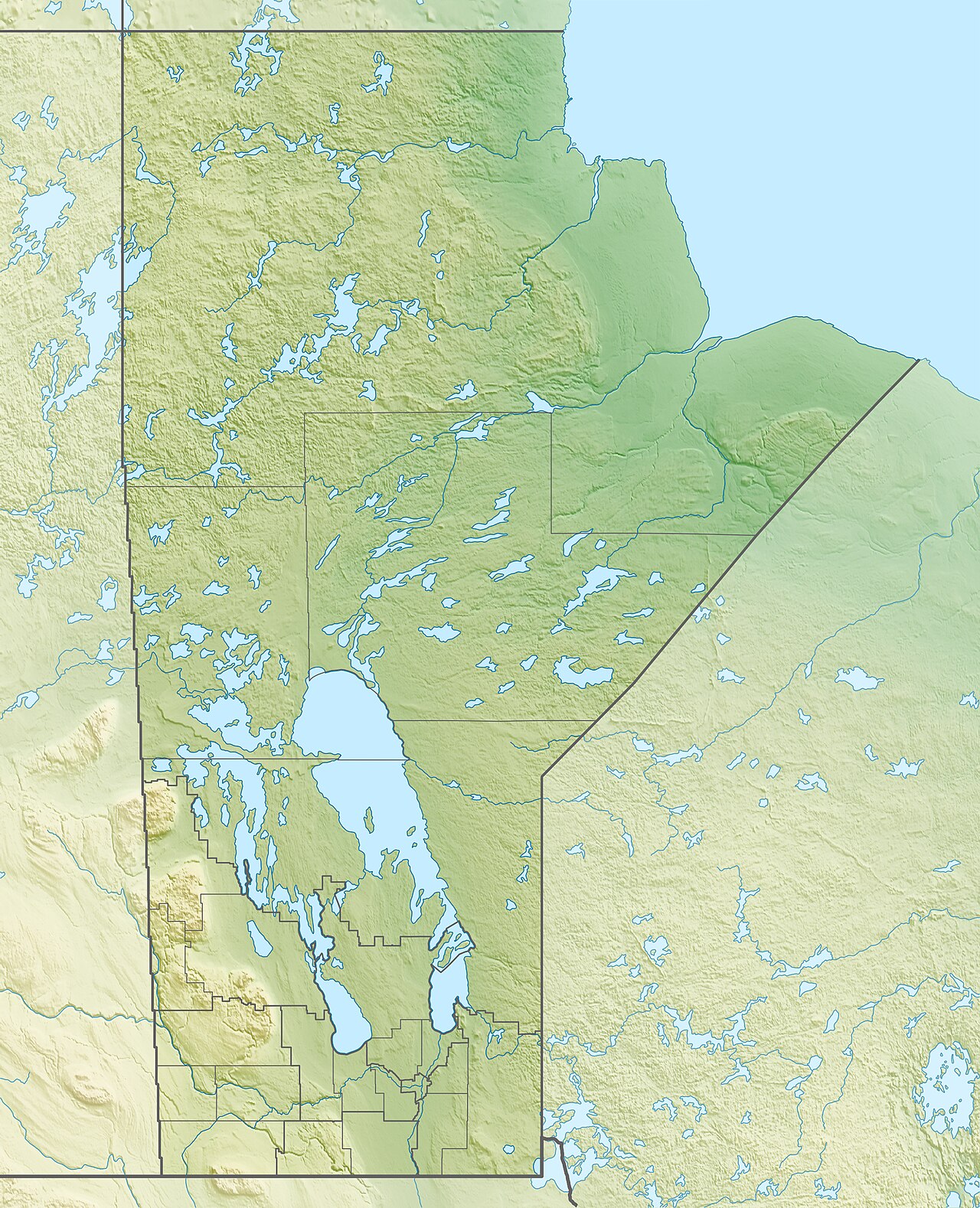
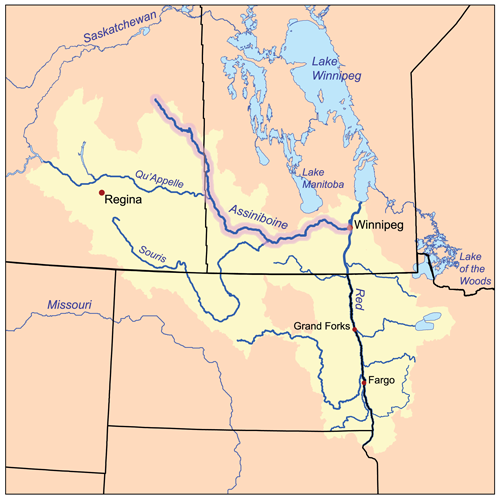
The Assiniboine River is a prominent prairie river that runs across southern Manitoba in Manitoba, Canada. It joins the Red River of the North at a historic confluence in Winnipeg, often referred to as The Forks. The river drains eastward into the larger Lake system that connects with Lake Winnipeg.
Image gallery
6 Images



Course and physical characteristics
The Assiniboine flows generally east across a broad agricultural plain. It collects water from a network of prairie streams and wetlands and passes through communities such as Brandon and Portage la Prairie before reaching Winnipeg. Its valley, floodplain and associated wetlands support riparian vegetation and seasonally variable flows that influence local farming and wildlife habitat.
History and name
The river’s name is derived from a term used for an Indigenous people of the region and is commonly interpreted as meaning "Stone Sioux" in indigenous languages. For centuries the Assiniboine valley was an important travel and trade corridor for Indigenous nations and later for fur-traders and settlers. The Forks at Winnipeg became a focal point for commerce and settlement because of the junction of the two rivers.
Uses, ecology and communities
The Assiniboine watershed supports agriculture, municipal water supplies, recreation and habitats for fish and waterfowl. Towns along the river rely on it for irrigation, livestock and local industry. Wetlands and side channels along its course are important for breeding birds and for maintaining water quality during seasonal runoff.
Flooding and river management
Because spring melt and heavy rains can produce rapid rises, the Assiniboine has a history of flooding that has affected communities and farmland. Manitoba and federal agencies manage flow with reservoirs, engineered diversions and dikes; notable infrastructure is used to reduce the risk of major floods and to balance agricultural and environmental needs. Unlike many transboundary waterways, the Assiniboine remains entirely in Canada and does not originate in the United States.
Notable facts and distinctions
- The confluence with the Red River at Winnipeg is a culturally and historically significant meeting place.
- River management involves a mix of engineered works and efforts to conserve wetlands and riparian corridors.
- The watershed links with larger freshwater systems that ultimately connect to Lake Winnipeg and influence downstream ecology.
For maps, local guides and official information about water levels, infrastructure and recreational access, consult regional resources and government water-management pages. Additional context and historical records are available through provincial archives and community heritage sites that document the Assiniboine’s role in shaping southern Manitoba.
Assiniboine River — overview | Manitoba | Canada | Red River | Winnipeg | United States | Lake Winnipeg
Related articles
Author
AlegsaOnline.com Assiniboine River Leandro Alegsa
URL: https://en.alegsaonline.com/art/6741
Sources
- britannica.com : britannica.com/place/Assiniboine-River