
Mercia: Anglo‑Saxon Kingdom of the English Midlands
Mercia was a major Anglo‑Saxon kingdom centered on the River Trent in what is now the English Midlands; it was dominant in the 7th–8th centuries and left lasting cultural and territorial marks.
Overview
Mercia was one of the principal Anglo‑Saxon kingdoms traditionally grouped within the Heptarchy. It occupied much of what is now the English Midlands, with its power base along the valley of the River Trent. Over several centuries Mercia emerged as a leading political and military power among the early English polities.
Image gallery
8 Images


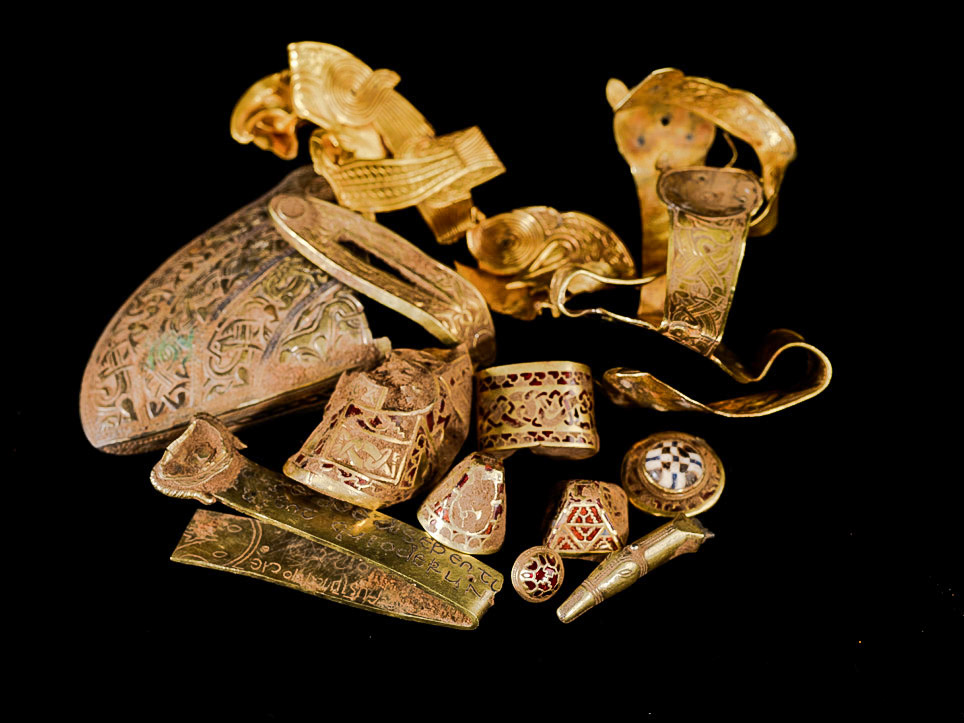

Territory and society
The kingdom controlled fertile river plains and uplands drained by the Trent and its tributaries, which facilitated agriculture, inland trade and settlement. Mercia was largely settled by the Angles and neighboured other Germanic groups such as the Saxons and Jutes. Its population included rural communities, fortified towns, and religious foundations that shaped local life.
Neighbours and political landscape
- Northumbria — to the north, often a rival for supremacy.
- Wessex — to the south‑west, which later became the centre of a united English monarchy.
- Sussex, Essex and East Anglia — neighbouring southern and eastern kingdoms with fluctuating relations.
- To the west lay British polities such as Powys and the realms of southern Wales, across which Mercian influence sometimes extended.
The traditional capital was Tamworth, a centre of administration and royal residence; today it lies within Staffordshire.
History and rulers
From the 7th century Mercia became a major player in Anglo‑Saxon politics. During the 7th and 8th centuries a period often called the "Mercian Supremacy" saw its kings exert authority across much of England. Some rulers built large earthworks to mark frontiers, fostered coin production and engaged in diplomacy beyond Britain. Over time Mercia both fought and allied with neighbouring kingdoms; later it faced new pressures from Viking raiders and the growing power of Wessex.
Culture, institutions and legacy
Mercian society blended agricultural life with emerging urban centres, monasteries and artisan production. Christian institutions reshaped religious and intellectual life from the mid‑first millennium onward. Mercian law, coinage and place names contributed to regional identity, while earthworks and archaeological remains mark its landscape. Although the kingdom was eventually absorbed into a more unified English state, its name and many local traditions survive in the Midlands and in historical study.
Distinctive facts
Mercia is notable for its strategic central location within early England, for periods of political dominance under strong kings, and for material traces such as fortified sites and early coinage that help historians trace the development of medieval England. Its interactions with neighbouring English kingdoms, Welsh rulers and continental partners shaped the course of early English history.
Questions and answers
Q: What was Mercia?
A: Mercia was one of the Anglo-Saxon kingdoms of the Heptarchy.
Q: Where was Mercia located?
A: Mercia was in the region now known as the English Midlands, including both the East Midlands and the West Midlands.
Q: What was the center of Mercia?
A: Mercia was centered on the valley of the River Trent and its tributaries.
Q: Who settled in Mercia?
A: Mercia was settled by Angles, whose name is the root of the name 'England'.
Q: Who were Mercia's neighbors?
A: Mercia's neighbors included other Angles, Saxons and Jutes, all from Germany. It bordered on Northumbria, Wessex, Sussex, Essex and East Anglia.
Q: What was the capital of Mercia?
A: The capital of Mercia was Tamworth, which is today part of Staffordshire.
Q: Who were living in the west of Mercia?
A: To the west of Mercia were Britons in Powys and the kingdoms of southern Wales.
Related articles
Author
AlegsaOnline.com Mercia: Anglo‑Saxon Kingdom of the English Midlands Leandro Alegsa
URL: https://en.alegsaonline.com/art/63907