
Fiji: geography, people, history, economy and culture
Fiji is a Pacific island nation of more than 300 islands, known for tropical landscapes, coral reefs, a multicultural population, three official languages, a tourism-driven economy and a colonial history under Britain.
Overview
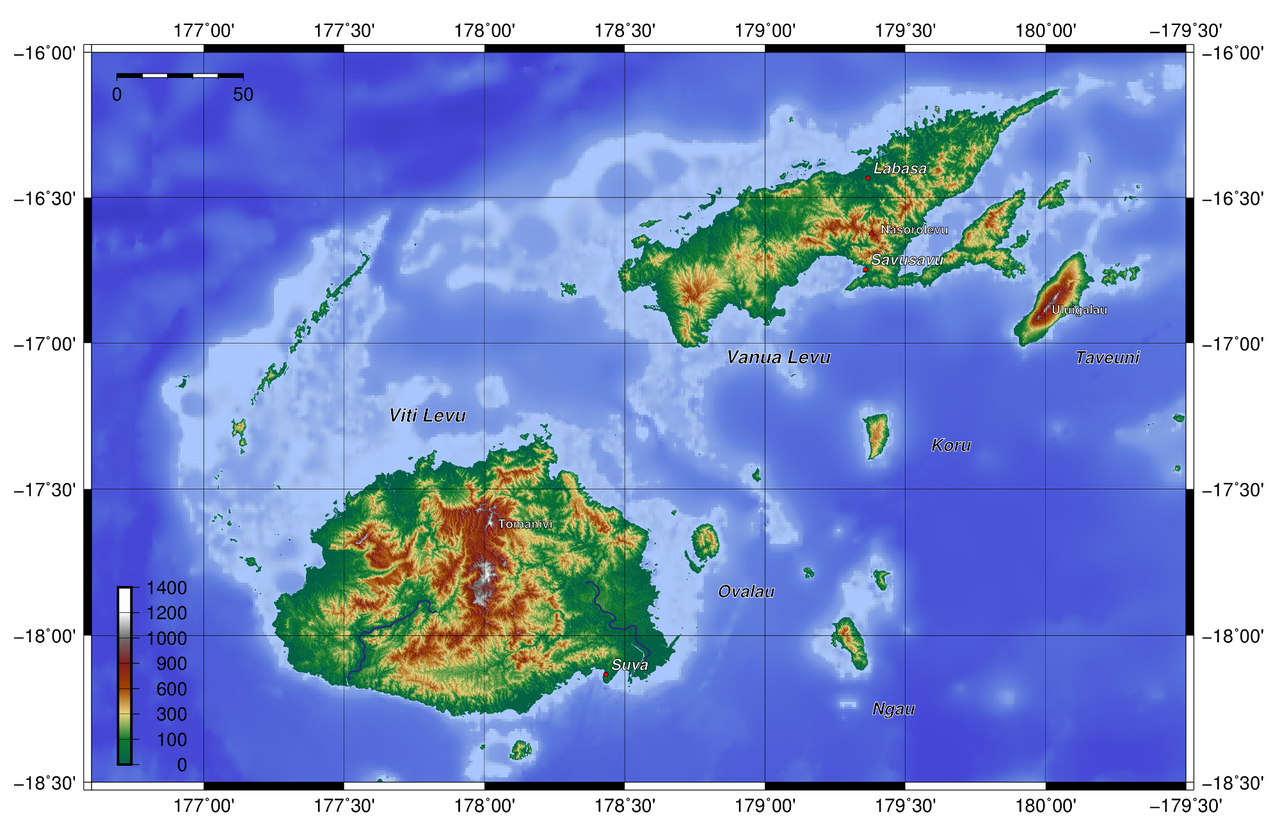
Fiji is an island country located in the Pacific Ocean. It comprises more than 300 islands — commonly stated as 322 islands — and numerous smaller islets and reefs. The largest and most significant islands are Viti Levu and Vanua Levu. The political capital is often referred to as the capital city, and the largest urban centre is Suva, located on Viti Levu.
Image gallery
10 Images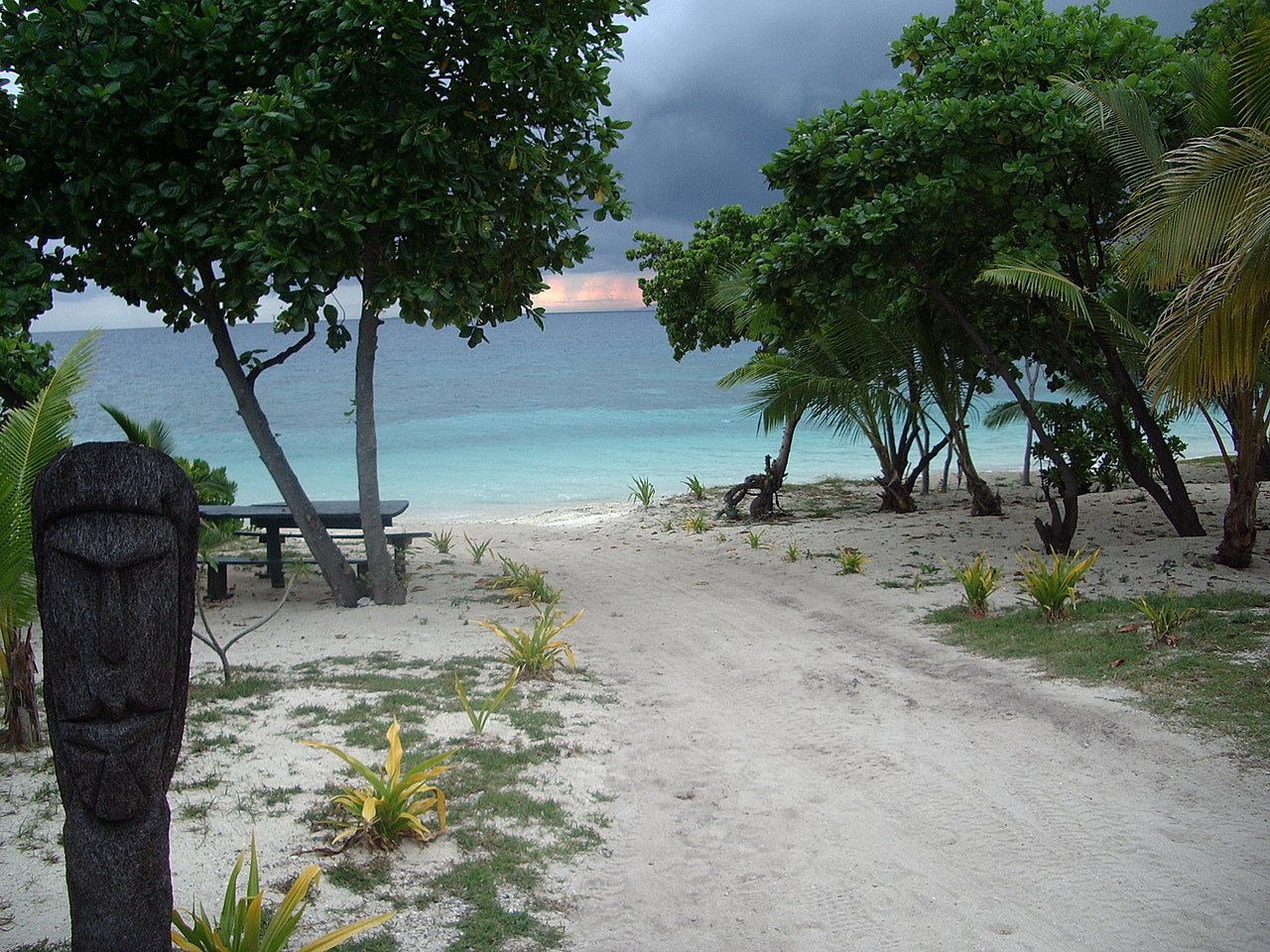





Geography and environment
Fiji's landscape ranges from volcanic highlands and rainforest-covered mountains to smooth coastal plains and extensive coral reefs. Tropical climates and abundant rainfall support diverse forests and rich marine life. Natural resources include timber, fish stocks, and modest mineral deposits; the islands are also valued for their reef ecosystems and scenic beaches that attract visitors.
People and languages
The population is multicultural and multilingual. The constitution recognises three primary official language categories: official languages are Fijian, English and Hindustani. Local tongues and varieties are widely spoken: standard Fijian, international English, and Hindustani elements derived from Hindi and Urdu. A distinct form known as Fiji Hindi is commonly used within Indo-Fijian communities.
History
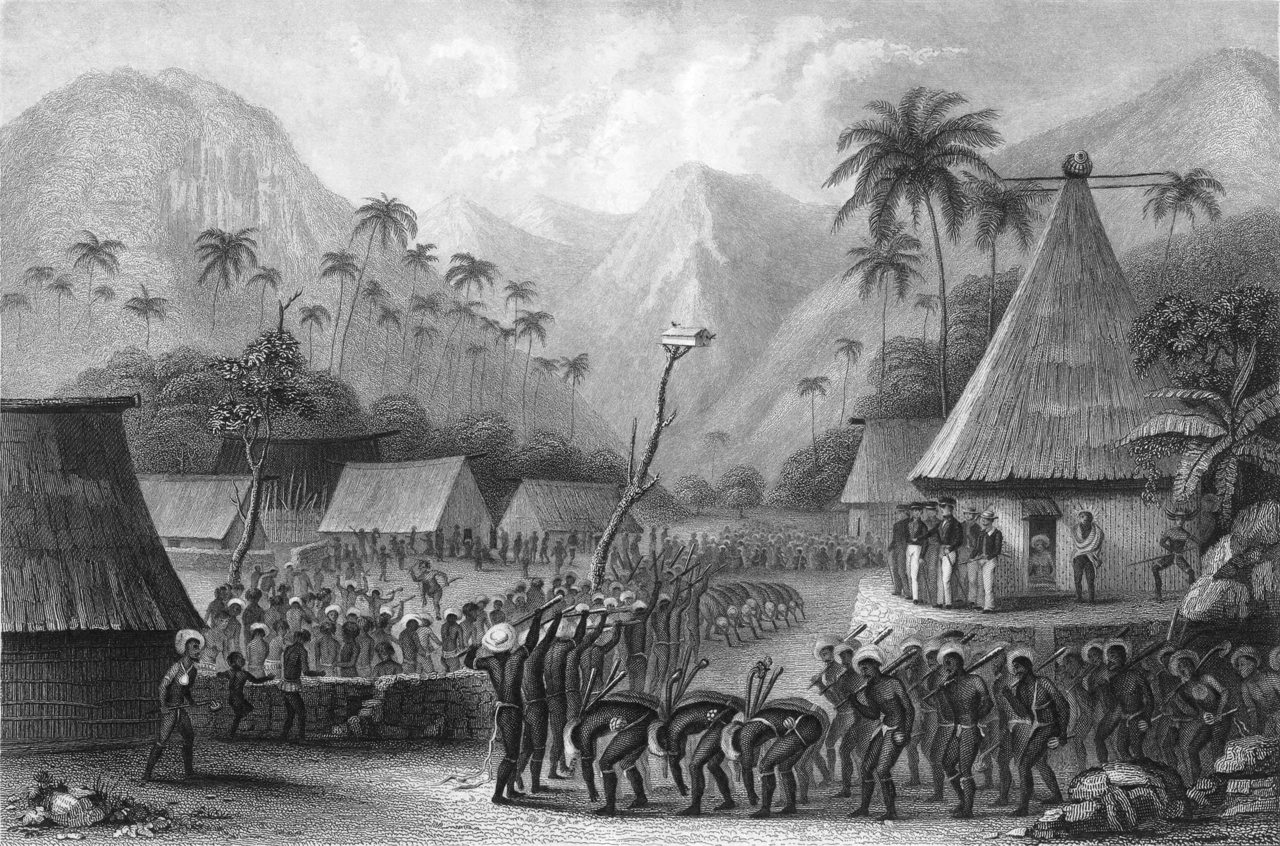
First settled by Pacific peoples, Fiji developed island societies with voyaging traditions. European contact increased during the 17th and 18th centuries, and British influence grew until Fiji became a crown colony; it achieved independence in 1970. The modern era includes periods of political change and constitutional revisions as Fiji balanced traditional leadership, ethnic communities and democratic governance.
Economy and uses
Tourism is a leading sector, followed by agriculture (notably sugarcane), fisheries and remittances from abroad. Small-scale manufacturing and services serve domestic needs. Conservation of reefs and forests is important both for biodiversity and for sustaining tourism and fisheries.
Culture and notable facts
Fijian culture blends indigenous customs, Indian influences and colonial legacies. Ceremonial kava rituals, communal gatherings, and a strong rugby tradition are prominent. The islands are also noted for their hospitality, often summed up by the word "bula" used as a friendly greeting.
- Major islands: Viti Levu, Vanua Levu
- Administrative centre: Suva (capital functions)
- Languages: Fijian, English, Fiji Hindi (Hindi/Urdu influence)
Related articles
Author
AlegsaOnline.com Fiji: geography, people, history, economy and culture Leandro Alegsa
URL: https://en.alegsaonline.com/art/34277
Sources
- statsfiji.gov.fj : "Age, Sex and Marital Status by Urban and Rural Enumeration, Fiji 2007"
- fiji.gov.fj : "Constitution of the Republic of Fiji"
- cia.gov : "Fiji"
- statsfiji.gov.fj : "Population by Religion and Province of Enumeration"
- esa.un.org : "World Population Prospects: The 2017 Revision"
- statsfiji.gov.fj : "2017 Population and Housing Census – Release 1"
- imf.org : "Fiji"
- data.worldbank.org : "Gini Index"
- hdr.undp.org : "2016 Human Development Report"
- timeanddate.com : "Fiji Reignites Daylight Saving Time on November 29"
- timeanddate.com : "FJST – Fiji Summer Time"
- infoplease.com : "Fiji: History"
- ertr.tamu.edu : "Tourism Fiji : A Social, Political and Environmental Case Study"
- lonelyplanet.com : Fiji Travel Information and Travel Guide