
Papua New Guinea: geography, people, biodiversity, languages and history
Overview of Papua New Guinea: the eastern half of New Guinea and nearby islands, its geography, peoples, languages, biodiversity, history, economy and contemporary political issues.
Overview
Papua New Guinea is an island country in the southwestern Pacific occupying the eastern half of the large island of New Guinea together with many nearby islands and archipelagos. Its capital and largest city is Port Moresby, an administrative and commercial centre on the south coast. The nation lies within the wider geographic and cultural contexts described as Australasia and Oceania, and is often discussed in studies of the Pacific region.
Image gallery
10 Images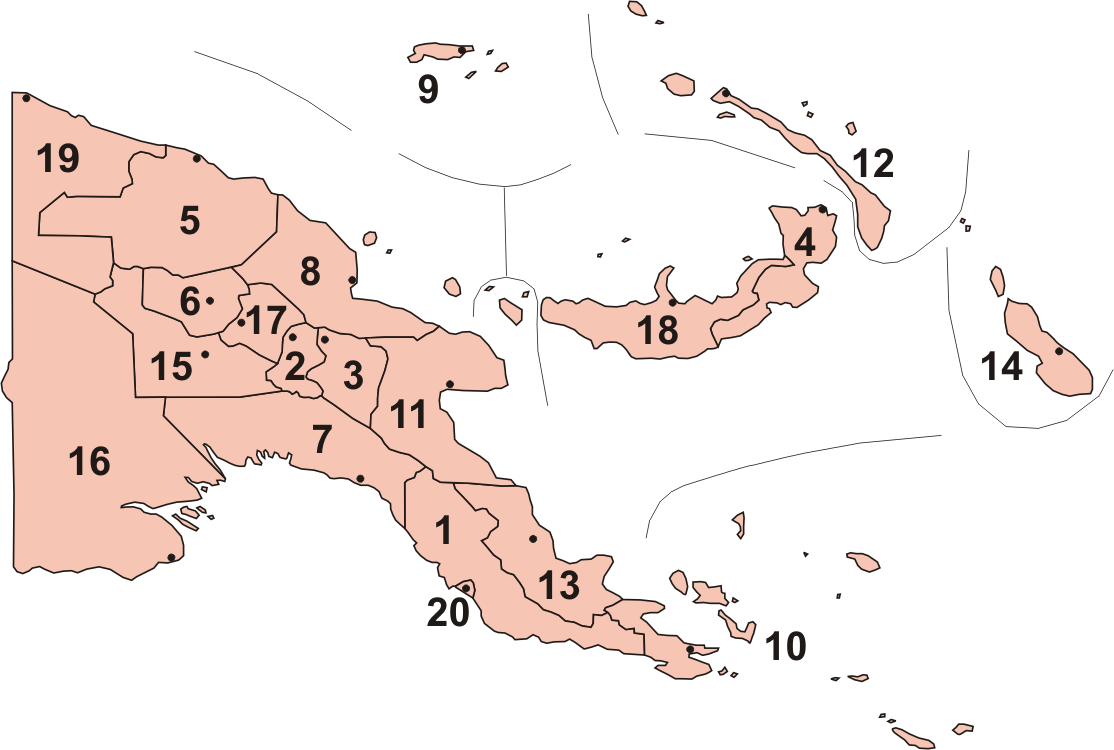


Geography and environment
The country’s terrain includes rugged central mountain ranges, lowland and montane rainforests, extensive river systems and long, often forested coastlines fringed by coral reefs. Island groups such as the Bismarck Archipelago and the Autonomous Region of Bougainville contribute to the nation’s geographic diversity. Papua New Guinea shares a land border to the west with Indonesia and lies north of Australia, separated by the Torres Strait and maritime zones.
Biodiversity
Papua New Guinea is notable for high levels of biological diversity and endemism. Its varied habitats support unique mammals, birds, amphibians and plants, and its coastal waters and coral reefs are biologically productive. Biological surveys and conservation efforts emphasize the importance of protecting species-rich forests and marine areas while balancing the needs of local communities.
People, languages and culture
The population is predominantly Indigenous, organised in complex clan and village systems with strong customary ties to land and sea. The country is among the most linguistically diverse places on Earth: hundreds of distinct local languages coexist with several lingua francas, including Tok Pisin, English and Hiri Motu. Cultural life includes traditional art, music, dance and ceremonial exchanges that remain central in many regions.
History and governance
Local societies on New Guinea developed for thousands of years before contact with outsiders. European exploration and colonial administration in the 19th and 20th centuries brought new political arrangements, and Papua New Guinea became an independent state in the mid-20th century. The modern state combines national institutions with customary law and local governance; some areas, such as Bougainville, have special autonomous arrangements reflecting distinct historical experiences.
Economy and infrastructure
The economy mixes subsistence agriculture, smallholder cash-crop production and export industries such as mining, petroleum and forestry. Infrastructure and service delivery are challenged by rugged terrain and dispersed populations, so roads, health and education services vary widely between urban and remote areas. Sustainable development efforts seek to link resource use with community benefits and environmental protection.
Regions, society and modern issues
Society displays strong local identities and customary land tenure systems that shape political and economic life. Urban growth around cities such as Port Moresby (administrative centre) contrasts with rural livelihoods tied to gardens, fishing and local trade. Contemporary issues include governance, health, education, infrastructure, environmental conservation and the impact of resource extraction on communities.
International relations and cross-border links
Papua New Guinea engages regionally with Pacific neighbours and maintains close ties with nearby countries. Its proximity to Indonesia to the west and maritime neighbours including Australia involves cooperation on security, border management and development assistance. Regional frameworks and partnerships address topics from fisheries management to disaster response.
Challenges and conservation
Key challenges include improving infrastructure and public services, managing natural-resource development responsibly, and conserving high-value ecosystems. Community-based approaches to conservation, recognition of customary rights and international cooperation are parts of responses to environmental and social challenges.
Quick facts and further reading
- Location: eastern New Guinea and adjacent islands (island country).
- Capital: Port Moresby.
- Geographic contexts: Australasia, Oceania, Pacific region.
- Border: western New Guinea administered by Indonesia.
- Regional neighbour: maritime proximity to Australia.
- Languages: many local languages plus Tok Pisin, English and Hiri Motu.
For authoritative and up-to-date information consult government publications, regional organisations and academic studies. Introductory overviews of geography and culture can be found through regional resources and language materials cited by national and Pacific-focused institutions (regional overview, oceanic context, language resources, capital information, Pacific studies).
Questions and answers
Q: Where is Papua New Guinea located?
A: Papua New Guinea is an island country located on the Pacific Ocean.
Q: Which island does Papua New Guinea cover?
A: Papua New Guinea covers the east half of New Guinea island, plus some nearby islands.
Q: What is the capital city of Papua New Guinea?
A: The capital city of Papua New Guinea is Port Moresby.
Q: Who are the majority population of Papua New Guinea?
A: The majority population of Papua New Guinea are mostly the Indigenous peoples of the island.
Q: In which regions does Papua New Guinea belong to?
A: Papua New Guinea belongs to both Australasia and Oceania, which are two different terms for the continent of islands in the Pacific area.
Q: What countries border Papua New Guinea?
A: Papua New Guinea borders Indonesia to the west and near Australia to the south.
Q: Is Papua New Guinea a small or large country?
A: The text does not specify whether Papua New Guinea is a small or large country.
Related articles
Author
AlegsaOnline.com Papua New Guinea: geography, people, biodiversity, languages and history Leandro Alegsa
URL: https://en.alegsaonline.com/art/74461
Sources
- thenational.com.pg : "Never more to rise"
- cia.gov : "Papua New Guinea"
- postcourier.com.pg : Population a concern
- imf.org : "Papua New Guinea"
- postcourier.com.pg : "''Post-Courier'', "Jiwaka, Hela set to go!" July 15, 2009"