
New Caledonia — French collectivity in Melanesia
New Caledonia is a French sui generis collectivity in the southwest Pacific, known for its large lagoon, nickel resources, and distinct Kanak culture centered on Grande Terre and the capital Nouméa.

New Caledonia (French: Nouvelle‑Calédonie; Malay: Caledonia Baru) is a special-status overseas territory administered by France. The archipelago lies in Melanesia in the southwest Pacific Ocean and is dominated by one long main island, Grande Terre. Its land area is about 18,575.5 km² (7,172 sq mi), and population figures have varied over time; at the 2004 census the territory recorded 230,789 inhabitants and later estimates place the population nearer to modern mid‑hundreds of thousands.
Image gallery
10 Images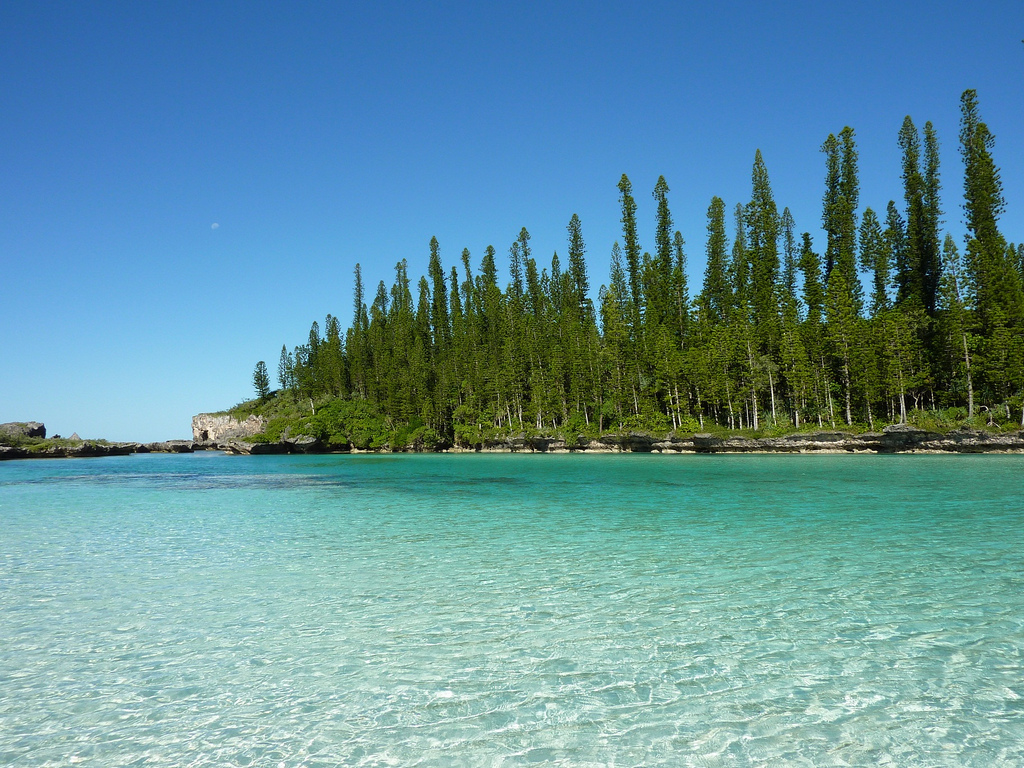


Geography and natural environment

Political status and history
New Caledonia holds the unusual legal designation of a "sui generis" collectivity, reflecting negotiated autonomy within the French Republic and local institutions such as a territorial congress. Political life has been marked by discussions about independence: referendums on sovereignty began in 2018, and debates remain a central feature of contemporary politics. The capital and largest city is Nouméa, which hosts the territory's main administrative, commercial and cultural institutions.
People, languages, and culture
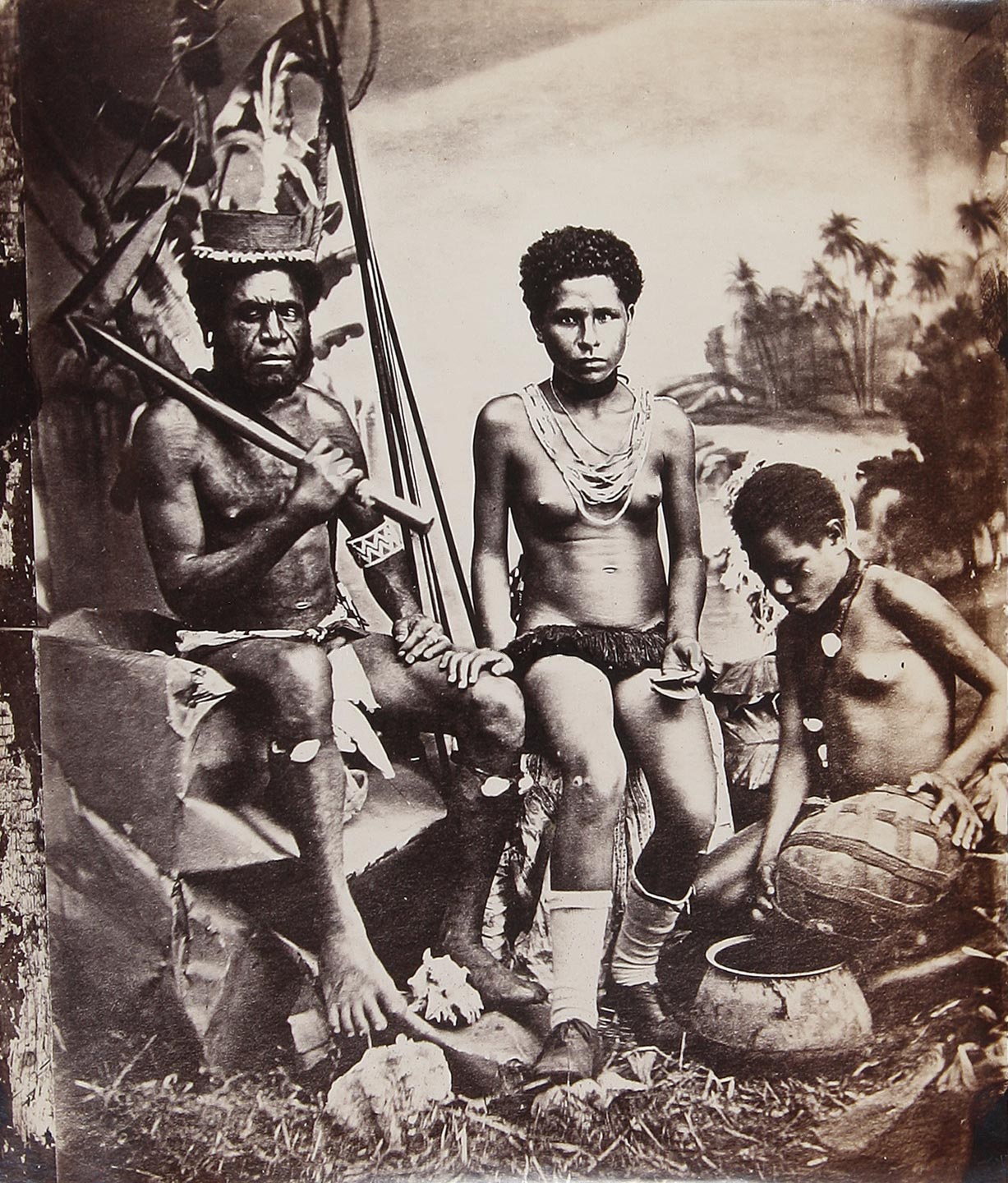
The population includes the indigenous Kanak peoples, descendants of European settlers, and communities of other Pacific and Asian origin. French is the official language, while many distinct Kanak languages and cultural traditions are actively maintained. Social life often centers on customary land relationships, clan structures and ceremonies that coexist with modern civic institutions.
Economy and contemporary importance
New Caledonia's economy is notable for one of the world's largest deposits of nickel, which has long driven export income and industrial activity. Tourism, fisheries and services also contribute to the local economy. The territory uses the CFP franc as its currency. On the internet it is identified by the country code and top‑level domain: country code ccTLD .nc.
Quick facts and notable distinctions
- Location: Melanesia, southwestern Pacific.
- Main island: Grande Terre.
- Political link: France under a sui generis status.
- Area and historic census: 18,575.5 km² (7,172 sq mi); population noted in the 2004 census.
- Capital: Nouméa; currency: CFP franc.
New Caledonia combines significant mineral wealth, a high level of biological endemism, and an active cultural and political life shaped by both indigenous Kanak identity and ties to mainland France. Its future governance and economic development remain subjects of local and international attention.
Related articles
Author
AlegsaOnline.com New Caledonia — French collectivity in Melanesia Leandro Alegsa
URL: https://en.alegsaonline.com/art/69474
Sources
- pireport.org : "New Caledonia, French Leaders Look To Finalize Plans For 2018 Referendum | Pacific Islands Report"
- amp.theguardian.com : "New Caledonia sets date for independence referendum"
- New Caledonia