
Sumba — island of eastern Indonesia, culture and landscape
Sumba is an Indonesian island in the Lesser Sunda chain known for monsoon savanna, ikat weaving, megalithic traditions and a history of sandalwood trade. Area ~11,153 km²; population ~611,000 (2005).
Overview
Sumba is an island in eastern Indonesia that forms part of the chain of Lesser Sunda Islands. It lies to the south of Flores and Sumbawa and faces the Indian Ocean to the southwest. The island has a largely rural population and a distinctive cultural identity within the archipelago.
Image gallery
10 Images



Geography and climate
Sumba covers an area of 11,153 km². Its landscape is marked by rolling hills, limestone plateaus and a coastline of beaches and cliffs. A strong monsoon rhythm dominates the climate: a long dry season typically runs from May to November and a wetter season from December to April. These seasonal contrasts create savanna and dry deciduous vegetation on much of the island rather than dense rainforest.
People, language and culture
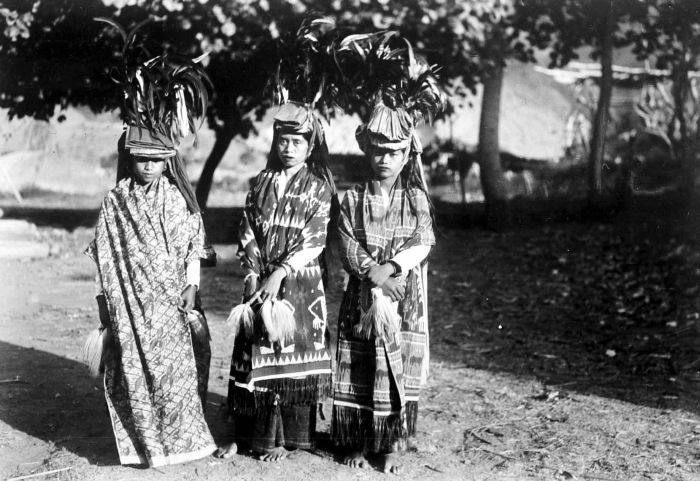
The island's population was recorded at about 611,422 people in 2005. Communities are organized into customary villages with striking traditional houses and a social structure that preserves ancestral rites. Sumba is renowned for intricate ikat textiles, megalithic tombs and ritual events such as mounted spear games and harvest ceremonies. Local languages belong mainly to the Austronesian family, while Christianity and indigenous belief systems coexist across the island.
History and economy
At various times Sumba took part in regional trade networks. It was particularly valued by visitors for its supply of sandalwood, which was harvested and exported in earlier centuries. Today the island's economy depends on subsistence and smallholder agriculture, livestock, handicrafts (notably weaving) and a growing tourism sector that emphasizes cultural and nature-based travel.
Notable features and contemporary issues
Sumba is distinctive for its combination of cultural heritage and dry-land ecosystems. Conservation of water resources and sustainable development are ongoing concerns because of the long dry season and limited infrastructure in many areas. Visitors are increasingly drawn to Sumba for its traditional villages, coastal scenery and opportunities for low-impact tourism.
Quick facts
- Region: Lesser Sunda Islands
- Country: Indonesia
- Area: 11,153 km²
- Population (approx.): 611,422 (2005)
- Historical export: sandalwood
For readers seeking more detailed maps, demographic updates, or travel guidance consult specialist resources and official statistics (links and local sources will provide current figures and practical information).
Related articles
Author
AlegsaOnline.com Sumba — island of eastern Indonesia, culture and landscape Leandro Alegsa
URL: https://en.alegsaonline.com/art/94766