
Solomon Islands
An island nation in the South Pacific known for tropical islands, diverse indigenous languages, WWII history, and economies based on agriculture, fisheries and forestry. Capital: Honiara.
Overview
The Solomon Islands are a sovereign state in the South Pacific, made up of a group of islands scattered across warm tropical seas. The country is noted for its extensive coastline, coral reefs and an unusually high cultural and linguistic diversity relative to its population. The national capital and largest urban centre is Honiara, located on the island of Guadalcanal.
Image gallery
10 Images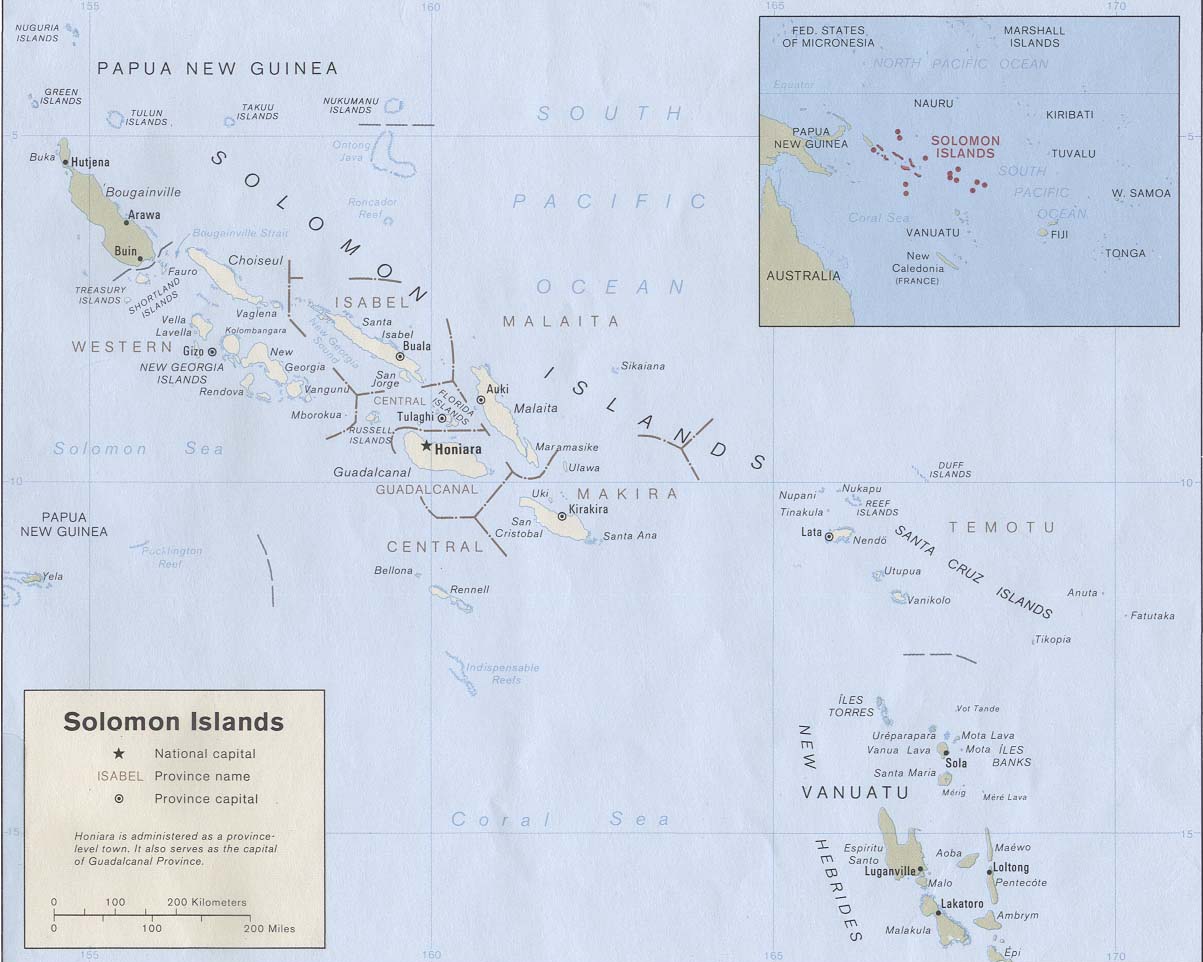





Geography and environment
The archipelago consists of several large islands and many smaller islets, often described as nearly a thousand islands and atolls. Major islands include Guadalcanal, Malaita, Santa Isabel, Choiseul and New Georgia. Terrain ranges from volcanic mountains and rainforest interiors to coastal plains and reef systems. The climate is tropical, with a wet season, and the nation is vulnerable to cyclones, rising sea levels and coastal erosion.
History and development
Indigenous peoples settled the islands thousands of years ago and developed distinct local cultures and languages. European contact began in the 16th century, and colonial influence later placed the islands under British administration before independence in the 1970s. During the Second World War the islands, notably Guadalcanal, were the scene of significant military campaigns that shaped the region's modern history.
Society, languages and culture
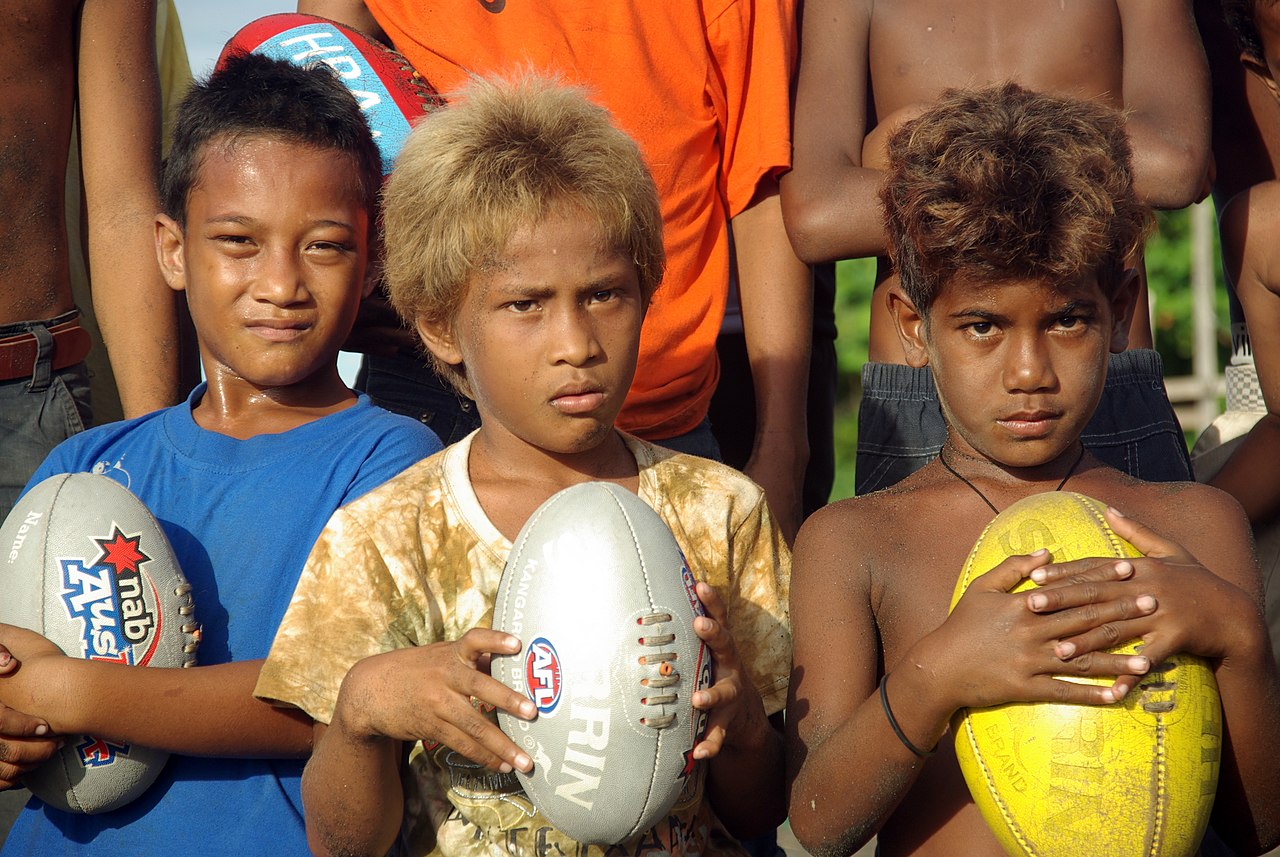
Solomon Islanders maintain strong community and customary ties. English is an official language, and Solomon Islands Pijin serves as a common lingua franca. In addition there are dozens of indigenous languages spoken across the islands. Christianity is the predominant religion and traditional customs around land and leadership remain important in daily life.
Economy and governance
The economy relies on natural-resource sectors and subsistence agriculture. Important activities include:
- smallholder farming and cash crops (copra, cocoa and others)
- timber and forestry
- tuna fisheries and related processing
- growing tourism focused on diving, World War II sites and cultural experiences
The country is a constitutional state within the Commonwealth tradition, operating a parliamentary system. Economic development is affected by distance from major markets, limited infrastructure and environmental pressures.
Conservation and notable facts
The Solomon Islands are rich in biodiversity, with important coral reef habitats and rainforest species. Conservation efforts address threats such as deforestation, overfishing and climate change. The islands are active in regional organisations and are known internationally for their natural beauty, cultural variety and the historical significance of wartime sites.
Related articles
Author
AlegsaOnline.com Solomon Islands Leandro Alegsa
URL: https://en.alegsaonline.com/art/91702
Sources
- un.org : "World Population Prospects, Table A.1"
- imf.org : "Solomon Islands"
- rspas.anu.edu.au : "Cap – Anu"
- news.bbc.co.uk : "Riots highlight Chinese tensions"
- pitic.org.au : "Doing Business in the Solomon Islands"
- solomontimes.com : "Solomon Islands PM Defeated in No-Confidence Motion"
- radioaustralia.net.au : "Solomon Islands parliament elects new PM"
- breakinglegalnews.com : "Solomon Islands earthquake and tsunami"
- news.bbc.co.uk : "Aid reaches tsunami-hit Solomons"
- physorg.com : Quake lifts Solomons island metres from the sea
- thecommonwealth.org : Commonwealth Secretariat - Member States
- wikidata.org : wikidata.org/wiki/Q685