
Bismarck Archipelago
Group of volcanic islands northeast of New Guinea in the western Pacific, part of Papua New Guinea; noted for diverse cultures, tropical ecosystems, World War II history and marine biodiversity.
The Bismarck Archipelago lies off the northeastern coast of New Guinea in the western Pacific Ocean and is administered as part of Papua New Guinea. The island group comprises several large volcanic islands and many smaller islets and reef-studded atolls. Its location at the edge of the New Guinea landmass has shaped both its natural environments and human settlement patterns.
Image gallery
5 Images


Geography and principal islands
Major islands in the archipelago include New Britain, New Ireland and Manus, together with smaller clusters such as the Duke of York and the St. Matthias group. The islands present a mix of high volcanic peaks, coastal lowlands, mangrove fringes and coral reef systems. Rugged interiors often remain covered by rainforest while shorelines support lagoons and reef flats.
Geology, climate and ecosystems
The Bismarck islands were formed through volcanic activity and tectonic uplift associated with the complex plate boundaries of the region. Many islands retain active or dormant volcanoes and are subject to seismic and volcanic hazards. The climate is tropical with abundant rainfall in most areas, supporting extensive rainforests, swamp forests and rich marine environments. Coral reefs, seagrass beds and mangroves host high marine productivity and diverse reef communities.
Biodiversity and conservation
Terrestrial and marine biodiversity is high, with numerous endemic birds, plants and reef species adapted to island conditions. Many communities and conservation organizations work to protect reef systems and remaining forest patches. Threats include deforestation for agriculture and timber, overfishing, invasive species and the impacts of rising sea levels and more intense storms. Local stewardship, protected-area initiatives and scientific surveys contribute to ongoing conservation efforts.
Human history and culture
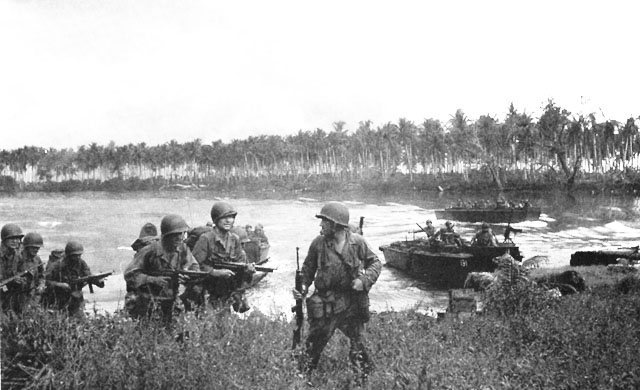
Indigenous Papuan and Austronesian-speaking peoples have inhabited these islands for millennia, developing distinct languages, social systems and cultural practices. European contact intensified in the 19th century and the archipelago received its modern name during the German colonial period. In the 20th century the islands were the focus of colonial administration and later of intense military activity during World War II, leaving a legacy of historic sites and shipwrecks that are the focus of study and tourism.
Economy, transport and tourism
Many island communities rely on subsistence agriculture, small-scale cash crops such as copra and cocoa, and fishing. Some areas also engage in timber production and small-scale mining. Transport between islands is provided by boats and limited air services; larger islands host the main ports and administrative centers. Tourism is growing where accessibility allows, driven by diving on coral reefs and visits to wartime sites, though infrastructure remains limited in much of the archipelago.
Significance and ongoing challenges
- New Britain and New Ireland are the largest islands and contain most population centers and infrastructure.
- Historic wartime sites, including former military bases and wrecks, attract researchers and recreational divers.
- Balancing local development with protection of endemic species, reefs and coastal communities is a continuing priority.
The Bismarck Archipelago therefore combines geological interest, ecological richness and deep cultural diversity. Its islands remain important for scientific research, regional history and the livelihoods of the communities who continue traditional practices while adapting to modern challenges.
Tags
Related articles
Author
AlegsaOnline.com Bismarck Archipelago Leandro Alegsa
URL: https://en.alegsaonline.com/art/11795