
Vanuatu: South Pacific archipelago — geography, people, history and culture
Vanuatu is an island nation in the South Pacific known for its volcanic islands, three official languages (Bislama, English, French), kastom culture and independence from colonial rule in 1980.
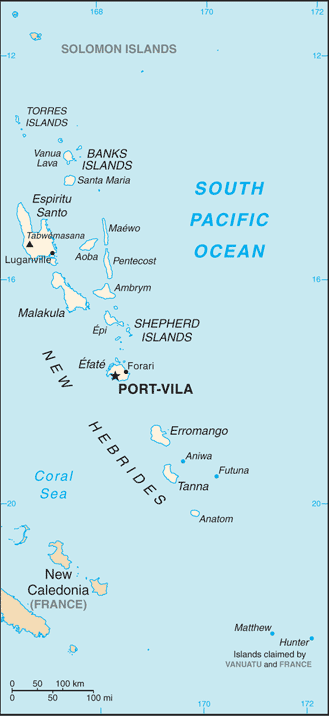
Vanuatu is an island nation in the South Pacific composed of an archipelago of roughly eighty islands stretching over several hundred kilometres. Its terrain is volcanic and mountainous with extensive coral reefs and coastal fringing systems. The national capital is Port Vila, a commercial and administrative hub on the island of Efate. For a basic geographic orientation see a general location map.
Image gallery
10 Images





Language and people
Vanuatu has three official languages: Bislama, an English-based creole, English and French. These appear as official options in government and education systems; further reading on the set of official languages is available at official languages. Bislama itself is described in many introductions to Pacific creoles (Bislama info), while background material on English and French usage is commonly grouped under broader colonial-language studies (English context, French context). Beyond these, the islands are home to over one hundred indigenous languages, making Vanuatu one of the most linguistically diverse countries per capita.
History and political development
Before European arrival, the islands supported distinct Melanesian societies with local chiefly systems and customary law (often called kastom). From the late 19th century until 1980 the islands were governed under an unusual Anglo-French condominium known as the New Hebrides. That joint colonial arrangement and related institutions are discussed in overviews of the colonial administration and the separate roles played by Britain (British role) and France (French role). Vanuatu achieved independence in 1980; contemporary summaries of that transition are available at independence resources.
Society, economy and governance
The population is relatively small and dispersed among islands; population summaries and estimates can be found through demographic references (population figures). Politically, Vanuatu is a parliamentary republic with a president as head of state and a prime minister as head of government. The economy relies on agriculture (including copra, cocoa and kava), tourism, small-scale fisheries and services. Customary land tenure remains central to social life and economic decisions: most land is held under customary ownership, which shapes development, investment and daily life.
Environment, hazards and culture
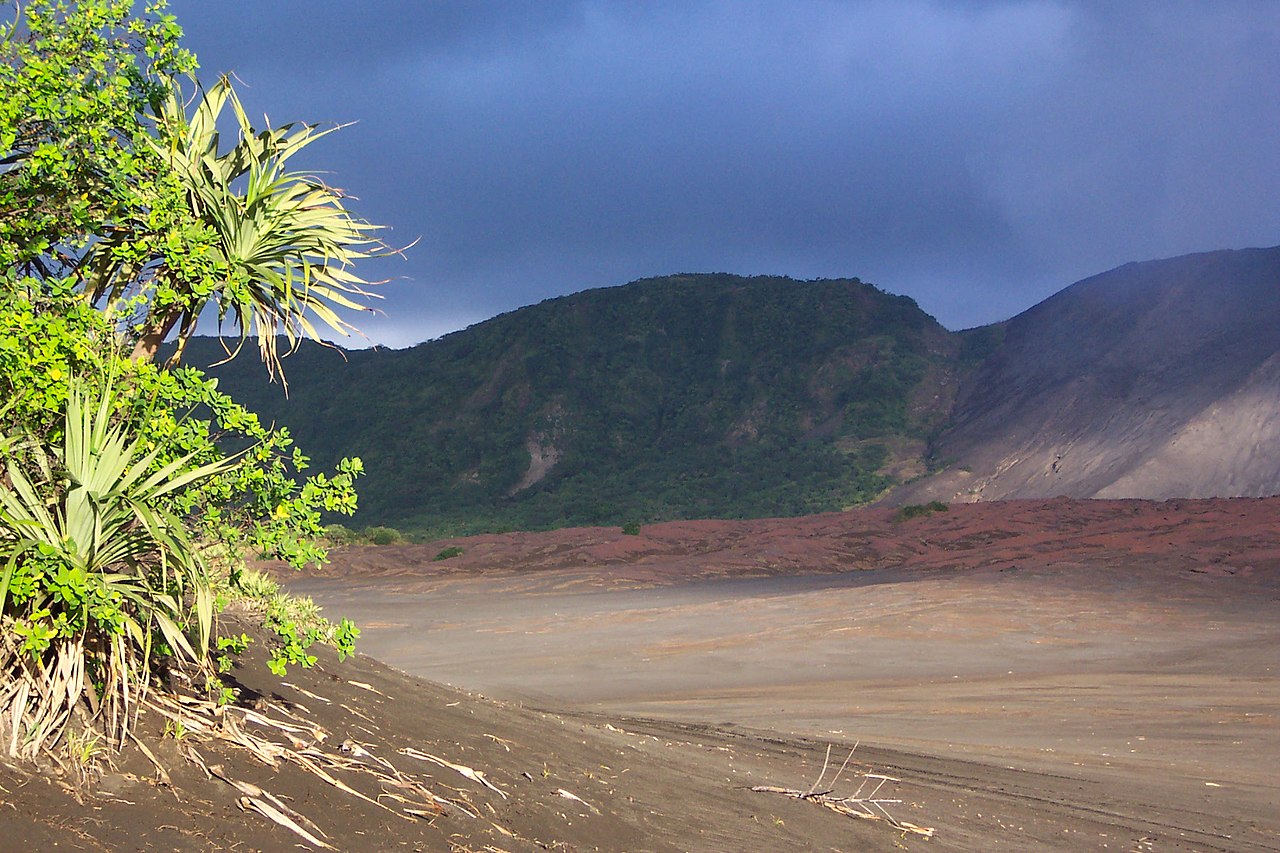
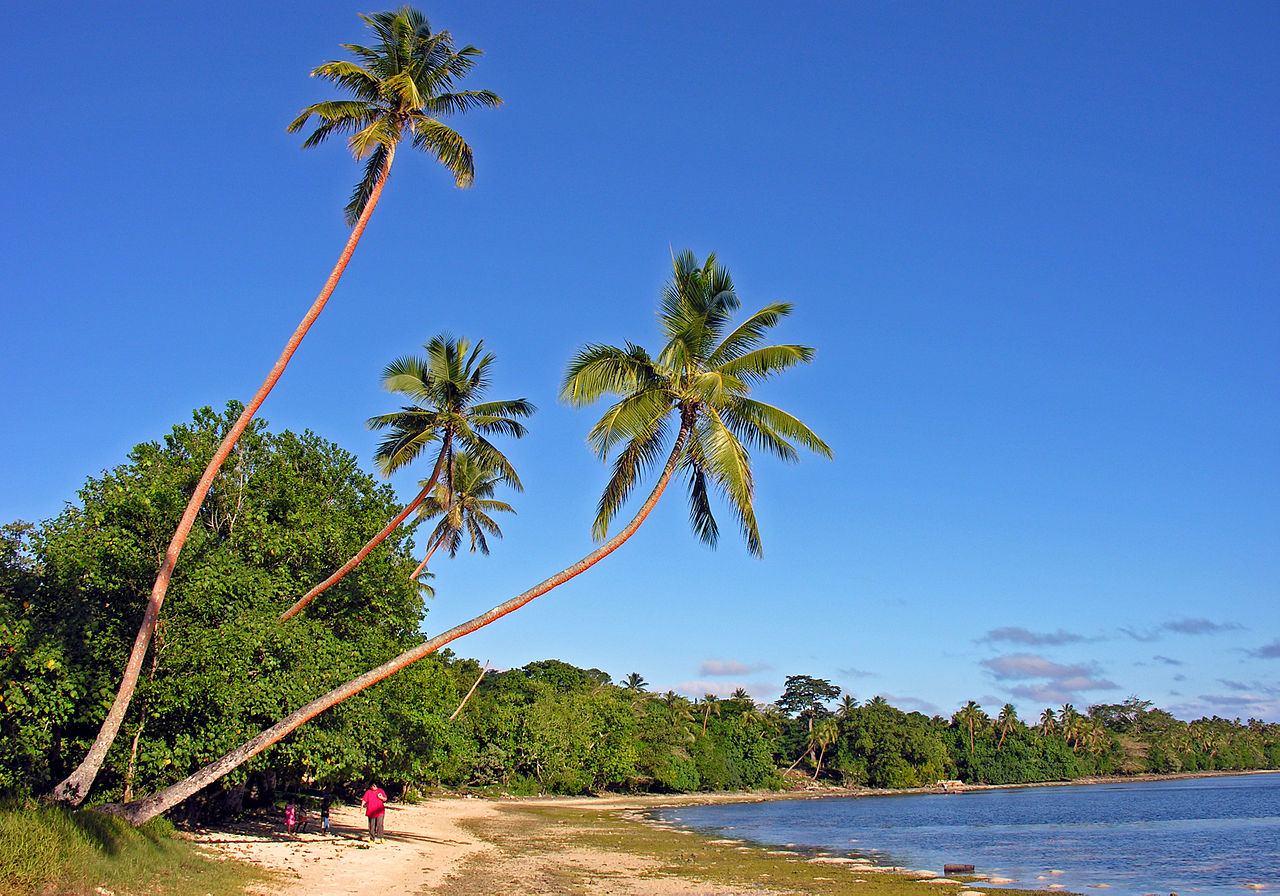
Vanuatu is notable for active volcanoes such as Mount Yasur on Tanna, rich coral reef systems and dense rainforest in places. These natural assets support tourism and biodiversity but also expose the islands to cyclones, sea-level rise and seismic events. Cultural life blends kastom practices, Christian churches and modern influences: traditional ceremonies, customary law, and community institutions continue to play a key role across rural and island communities.
Visitors and researchers often note Vanuatu’s combination of living traditions, dramatic volcanic landscapes and seascapes, and its post-colonial institutions. Practical guides, conservation projects and official resources provide pathways for deeper exploration of its geography, languages and contemporary challenges.
Related articles
Author
AlegsaOnline.com Vanuatu: South Pacific archipelago — geography, people, history and culture Leandro Alegsa
URL: https://en.alegsaonline.com/art/104221
Sources
- dailypost.vu : "Santo chiefs concerned over slow pace of development in Sanma"
- cia.gov : "Vanuatu"
- spc.int : "2009 Census Household Listing Counts"
- imf.org : "Vanuatu"
- abc.net.au : The secrets of Vanuatu's national dish, the Lap Lap
- state.gov : "Background Note: Vanuatu"
- commons.wikimedia.org : Vanuatu
- thecommonwealth.org : Commonwealth Secretariat - Member States