
Marilyn (hill): British Isles classification by relative height
A Marilyn is a British Isles hill or mountain with a prominence of at least 150 metres. The list is used by walkers and peak-baggers and contrasts with the Munro classification.
Overview
A Marilyn is a type of hill or mountain defined by its relative height rather than its absolute summit elevation. In practice a Marilyn must have a topographic prominence — often called relative height — of at least 150 metres (492 ft). The term was coined as a playful, ironic contrast to the older Scottish classification of Munro, and its name deliberately evokes the famous surname by being homophonous with Monroe. The classification applies across the British Isles including Ireland, and it covers both standalone mountains and prominent hills that meet the prominence threshold.
Image gallery
3 Images

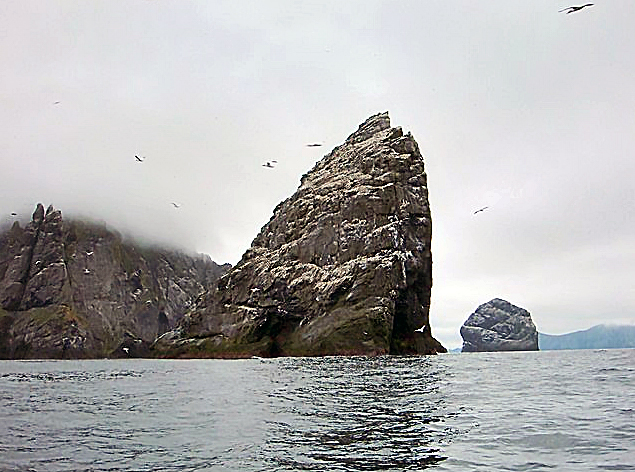
Definition and characteristics
Prominence measures how much a summit stands out from surrounding terrain: specifically the drop to the highest col connecting it to any higher ground. This focus on prominence means some high peaks fail to qualify as Marilyns, while many lower but isolated hills do. A Marilyn can therefore be a modest-looking hill or a major mountain, provided the 150-metre rule is satisfied. The list is objective and topography-based, so it is less sensitive to subjective ideas of 'importance' than some height-only lists.
Distribution and numbers
The most widely quoted totals identify 1,556 Marilyns across Great Britain and the surrounding islands. By political division the counts include 1,218 in Scotland, 174 in England, 159 in Wales, and five on the Isle of Man. These figures change slightly as better surveys and mapping refine prominence values, but the list remains large and geographically widespread.
Examples and notable members
Many of the highest and best-known summits are Marilyns because they are prominent as well as tall. Examples include Ben Nevis, Scafell Pike and Snowdon. At the same time, some famous high peaks are not Marilyns when they share high cols with adjacent tops and therefore lack sufficient prominence; such distinctions underline the different focus between prominence-based lists and height-only lists like Munros or four-thousand-foot registers.
Uses, appeal and activities
Marilyns are popular targets for walkers, hill-runners and 'peak-baggers' who aim to visit every summit on a list. Because the list includes a wide range of terrain — from remote mountains to coastal bluffs and isolated moorland knolls — it offers variety and can lead enthusiasts to discover less-known landscapes. The prominence criterion also highlights natural features that are visually and geographically distinct.
Distinctions and notable facts
- Contrast with height lists: Marilyns prioritise prominence; Munros emphasise absolute height.
- Objective basis: the 150 m threshold is measurable on modern maps and digital elevation models.
- Dynamic list: refinements in survey data occasionally add or remove entries.
- Cultural impact: the playful name helped popularise prominence as a useful way to classify summits.
For further reading about classifications, surveying methods and popular lists consult dedicated hillwalking resources and mapping guides (mountain and hill references), or regional databases covering the British Isles and Ireland.
Related articles
Author
AlegsaOnline.com Marilyn (hill): British Isles classification by relative height Leandro Alegsa
URL: https://en.alegsaonline.com/art/61907