
Maritime Alps
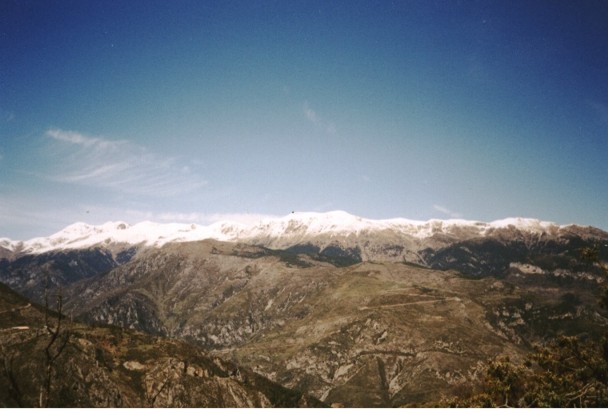
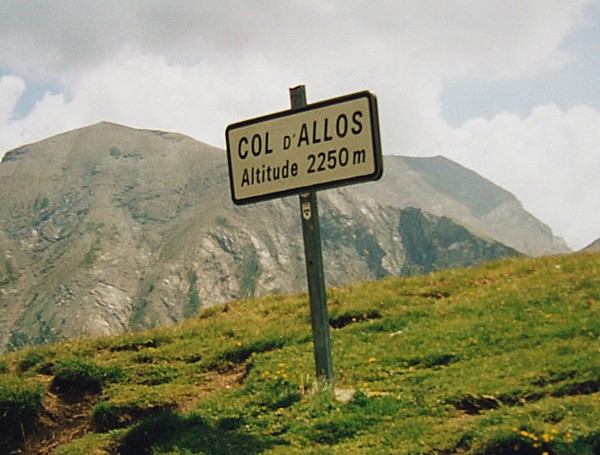
The Maritime Alps are the southernmost section of the Alps, forming part of the France–Italy border. They feature steep peaks, Mediterranean-alpine climatic contrasts, important protected areas and diverse flora and fauna.
Overview
The Maritime Alps (French: Alpes Maritimes, Italian: Alpi Marittime) form the southwestern extremity of the greater mountain system commonly called the Alps. The range occupies the transition zone where high alpine relief descends toward the Mediterranean Sea, creating sharp elevation gradients and striking landscape contrasts. The mountains lie along the modern frontier between southeastern France and northwestern Italy.
Image gallery
4 Images

Location and political regions
On the French side the range abuts the administrative region of Provence-Alpes-Côte d'Azur and relevant regional authorities and pages provide information on land use and tourism (regional pages). On the Italian side the Maritime Alps border parts of Piedmont and Liguria, with local provinces and municipal bodies coordinating cross-border management and transport (local province resources). Valleys and watershed divides in the range have long influenced settlement, seasonal movement of livestock and local road networks.
Geology and landscape
Bedrock in the Maritime Alps includes crystalline metamorphic units and sedimentary sequences, producing steep peaks, rocky ridges and karstic features in places. The highest and best-known summit of the range is Monte Argentera on the Italian side, which crowns a high plateau of peaks and cirques. Compared with central or eastern parts of the Alps, glaciers are limited in extent here, but permanent snowfields and small ice patches persist at the highest elevations.
Climate and ecology
The Maritime Alps show strong vertical zonation and a notable blend of Mediterranean and alpine climates. Lower slopes can support scrub, chestnut and oak woods typical of a Mediterranean influence, while higher elevations sustain coniferous forests, alpine meadows and rock communities. This climatic mixing favours rich biodiversity, including alpine plants with southern affinities and animal species such as chamois, ibex, marmots and raptors that move between different belts during the year.
Protected areas and conservation
Large protected areas straddle the frontier to conserve habitats and species and to promote sustainable tourism. On the French side the range is associated with national and regional reserves, while on the Italian side the Parco Naturale delle Alpi Marittime protects extensive mountain landscapes. Cross-border cooperation has been important for conservation planning, scientific research and maintaining traditional pastoral practices.
Human use and cultural landscape
Human occupation of the Maritime Alps extends to prehistoric times in accessible valleys. Historically the mountains were used for seasonal pastoralism and by local trade routes that linked coast and highland pastures. Today the area supports small mountain villages, summer grazing, and tourism activities that include hiking, climbing, mountain biking and skiing at higher elevations. Cultural heritage such as traditional huts, terraces and trail networks contributes to the region's identity.
Recreation and scientific interest
- Outdoor recreation: extensive trail systems, viewpoints and mountain routes draw hikers and climbers.
- Scientific value: the range is studied for its geology, biogeography and the impact of Mediterranean–alpine climate gradients on species distribution.
- Conservation initiatives: protected-area networks foster habitat restoration and species monitoring across the border.
For further context on the mountain system and regional geography see links to the broader mountain system, the Alps and the administrative regions cited above: Provence-Alpes-Côte d'Azur, Piedmont and Liguria. Additional resources on regional planning and trails are available from regional pages and local province resources.
Related articles
Author
AlegsaOnline.com Maritime Alps Leandro Alegsa
URL: https://en.alegsaonline.com/art/62057