
Munro (Scottish mountains over 3,000 feet)
Munros are Scottish mountains at least 3,000 feet high, named after Sir Hugh Munro. They are a focus of hillwalking, classification debates, and challenging winter mountaineering in exposed Atlantic conditions.
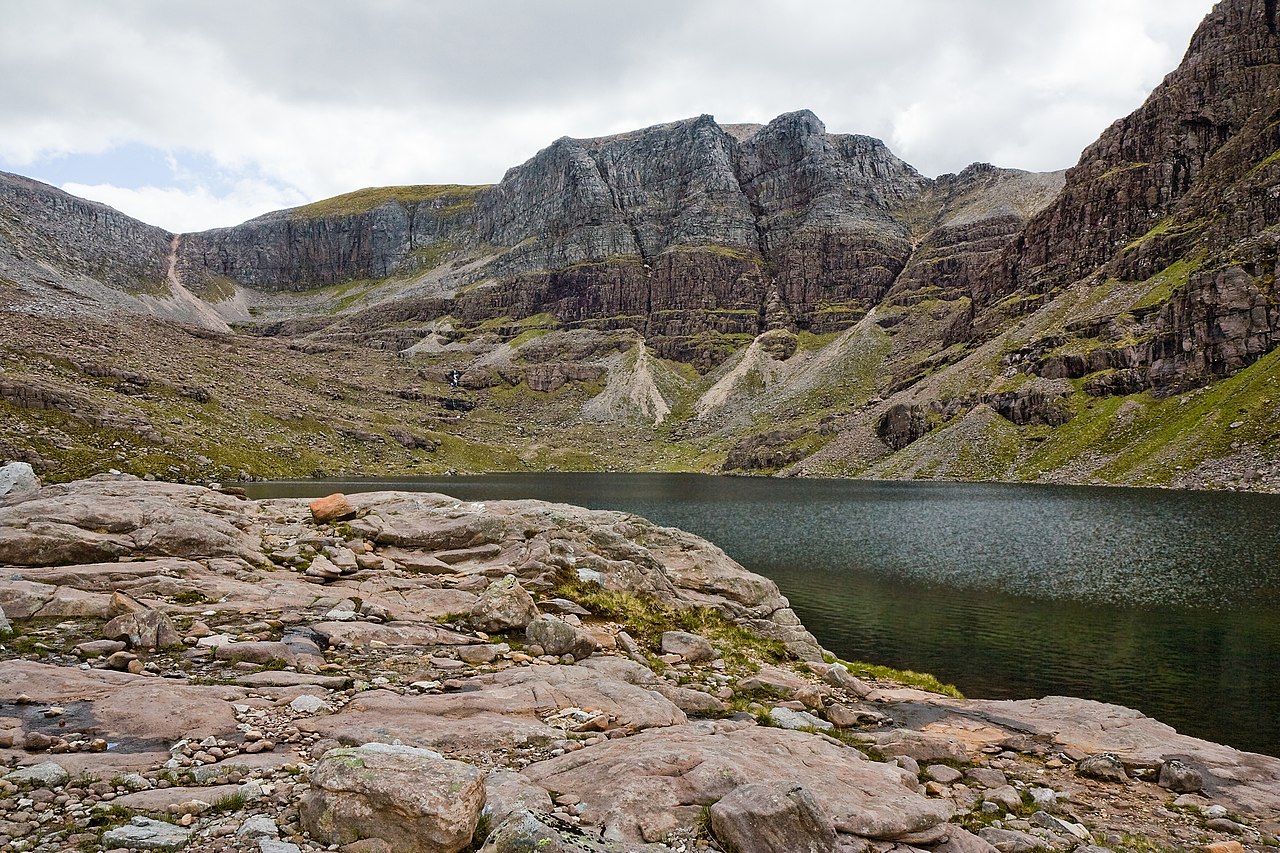
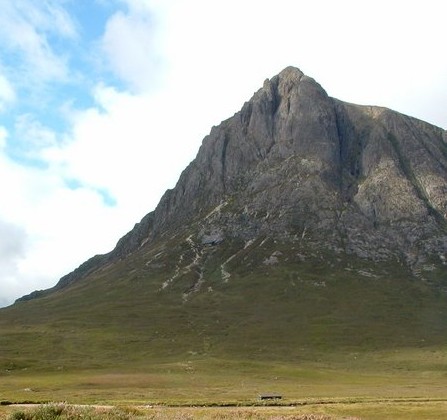
A Munro is a mountain in Scotland that reaches a height of at least 3,000 feet (914.4 metres). The term has become the standard way to refer to these peaks, which attract walkers, climbers and map enthusiasts across the British Isles. For a concise definition see the entry on what a Munro is.
Image gallery
7 Images


Characteristics and classification
By definition the only absolute criterion for a Munro is its elevation above 3,000 feet. Beyond height, other attributes such as geographical prominence, topographic independence and local distinctiveness are used informally to judge whether a summit is treated as a separate mountain. This lack of a single technical threshold has produced ongoing discussion; for more about how relative height is considered see relative height criteria.
Origins and Munro's Tables
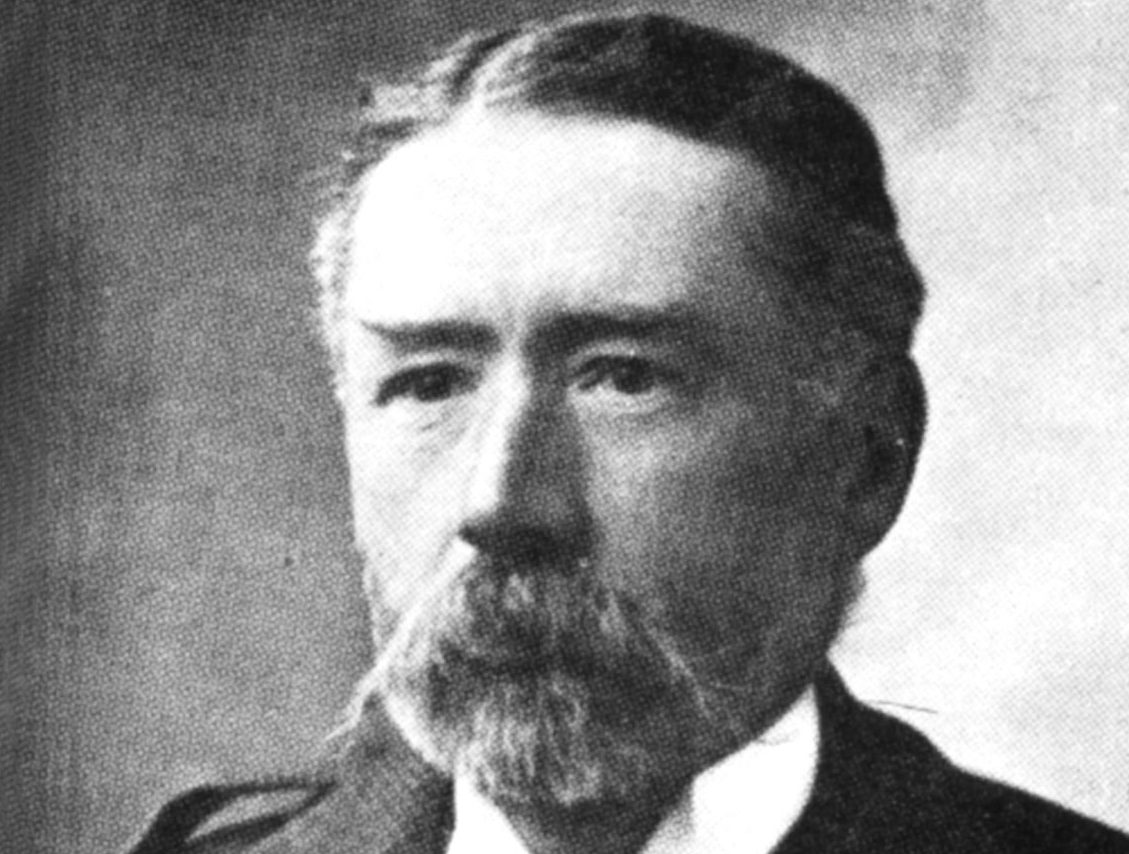
The name commemorates Sir Hugh Munro (1856–1919), who compiled the first systematic list of Scottish peaks over 3,000 feet in 1891, a work now known as Munro's Tables. His survey established the modern concept of the Munro, though he did not codify rules for separating subsidiary tops from principal summits. Historical context and details on his list are available at Sir Hugh Munro.
Why Munros matter
Munros are important for recreation, conservation and local economies. 'Munro bagging'—the practice of climbing all listed Munros—has become a popular challenge and a cultural pastime. Completing the list is a notable achievement for hillwalkers and a reason people travel to the Scottish Highlands. Organized guides, guidebooks and community groups support this activity and further information can be found via resources on walking and safety.
Hazards, weather and winter climbing
Despite their modest absolute height compared with alpine ranges, Munros are subject to severe weather because of Scotland's latitude and exposure to Atlantic systems. Conditions can change rapidly: fog, strong winds, heavy rain and freezing temperatures are common even in summer. Practical advice about mountain weather is offered at weather and conditions.
In winter many routes become technical and icy. Several Munros and their ridges are known for demanding ice and mixed climbing; winter ascents are regarded as some of the most testing in the UK and Europe. Guidance on winter techniques and equipment is explained at winter climbing resources.
Practical points and safety
- Key features: height threshold, list-based tradition, ongoing reclassification debates.
- Common activities: hillwalking, ridge routes, scrambling and winter mountaineering.
- Safety tips: plan routes, check forecasts, carry navigation tools and emergency kit.
Many walkers underestimate the exposure and navigation challenges on Scottish summits; slips on wet rock or ice and poor visibility contribute to incidents every year. For planning and official guidance see safety and planning and local mountain rescue advice.
Munros remain a defining feature of Scottish outdoor life: a simple elevation threshold has evolved into a rich culture of exploration, debate and respect for mountain hazards.
Related articles
Author
AlegsaOnline.com Munro (Scottish mountains over 3,000 feet) Leandro Alegsa
URL: https://en.alegsaonline.com/art/67567