
Ben Nevis — Highest Mountain in the British Isles
Ben Nevis, 1,345 m high, is the tallest peak in the British Isles. Located near Fort William in Scotland, it is a popular mountaineering and hiking destination with varied routes and challenging weather.
Overview
Ben Nevis rises to 1,345 metres (4,412 ft) and is the highest mountain in the British Isles. It stands above the town of Fort William in the Lochaber area of the Scottish Highlands. The peak is frequently visited by walkers and climbers and is a focal point for outdoor tourism in the region. For its status as the tallest summit in the archipelago see related references. Its location within Scotland places it at the heart of Highland culture and landscape.
Image gallery
10 Images



Topography and geology
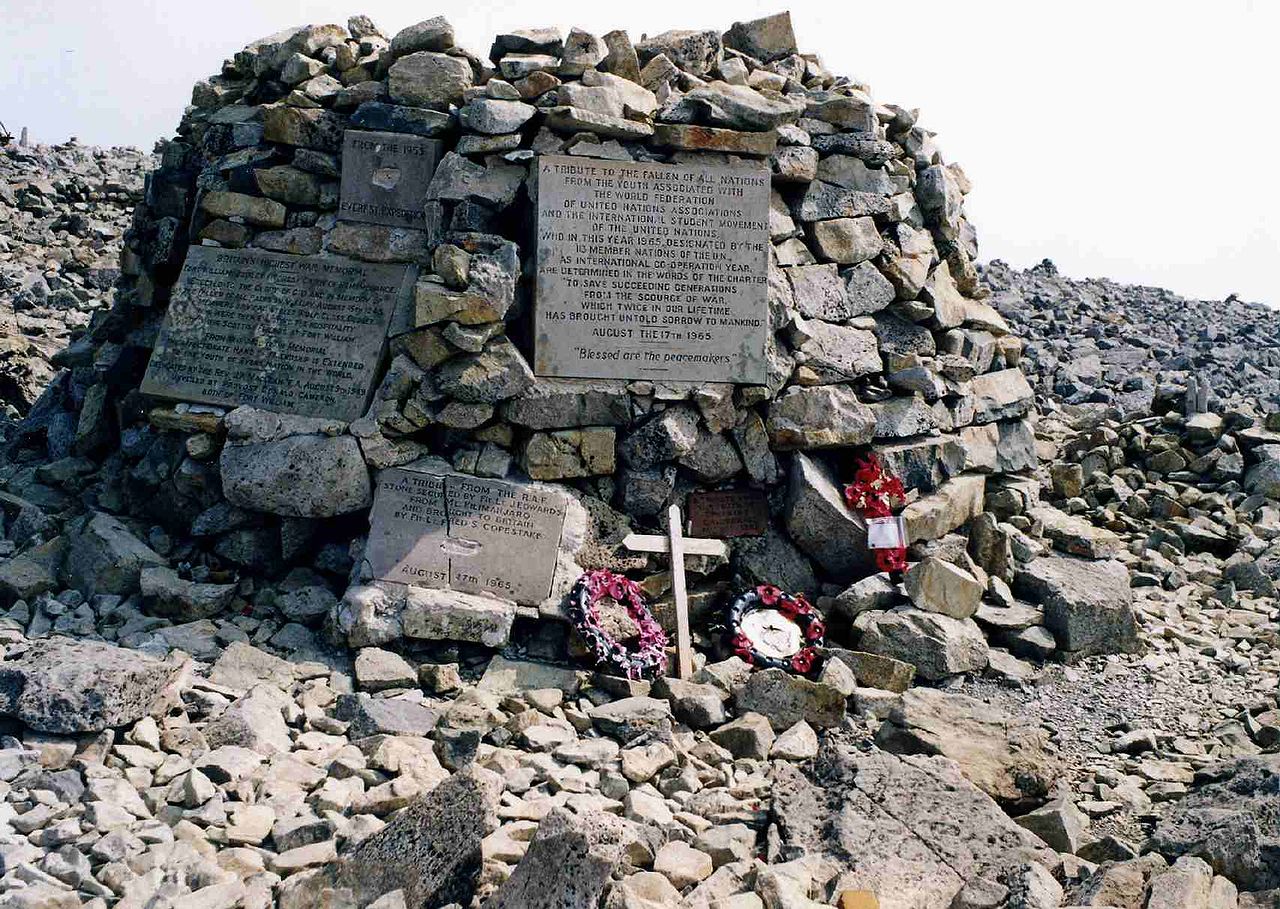
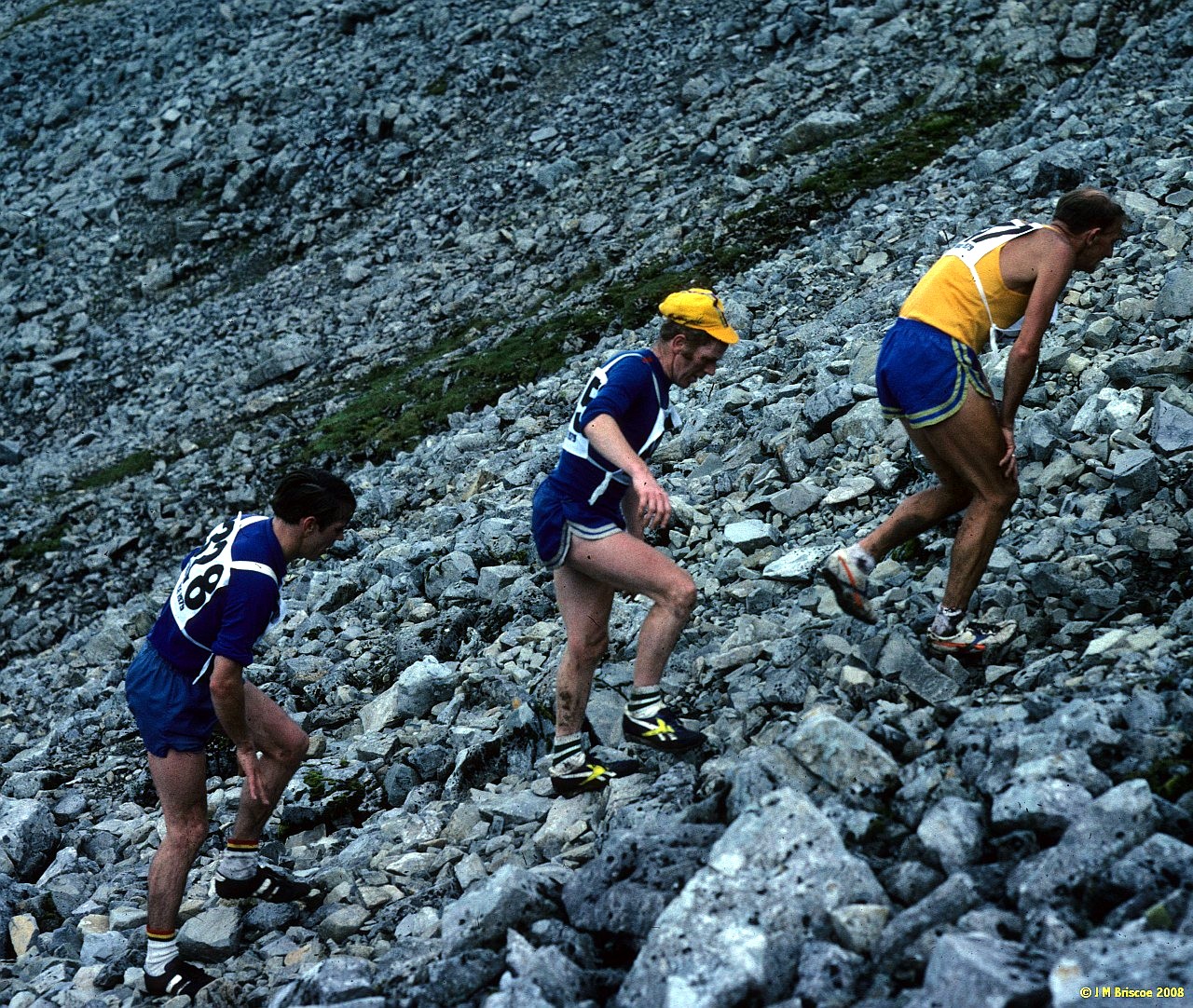
Ben Nevis is the remnant of an ancient volcanic massif and shows the effects of long-term erosion and glaciation. The summit area is broad and stony, with steep slopes dropping into surrounding glens. Its geology includes hard igneous rocks and metamorphic fragments formed during past tectonic activity; these materials give rise to rocky ridges, cliffs and the steep north face that is especially notable to climbers.
Routes and climbing
The mountain offers a range of outings from straightforward hikes to technical climbs. The most popular ascent for walkers is the well-formed path often called the Tourist Path or Pony Track, which approaches from Glen Nevis and is heavily used in summer. More demanding routes include high ridges and exposed arêtes that attract experienced mountaineers. In winter the north face becomes a major arena for snow and ice climbing. Ben Nevis is also commonly included in endurance challenges, such as the Three Peaks Challenge, which links the highest peaks of the UK.
Name and human history
The modern name derives from Scottish Gaelic Beinn Nibheis. The precise meaning is debated; common translations include "poisonous" or "terrible" mountain, but etymology is uncertain and scholars caution against a single definitive sense. Human use of the mountain has ranged from pastoral grazing in lower slopes to 19th- and 20th-century scientific and recreational visits; the summit and approaches show traces of historical paths and shelters used by walkers and shepherds.
Climate, safety and conservation
Weather on Ben Nevis can change rapidly: fog, strong winds and sudden snow are common even in summer. These conditions make route-finding and preparation essential; mountain rescue teams operate in the region because of frequent incidents. The mountain and surrounding glens are managed to balance public access with habitat protection and erosion control, and visitors are encouraged to follow good practice to reduce impact.
Significance and attractions
Beyond its height, Ben Nevis is woven into Scottish outdoor culture and attracts a wide spectrum of visitors — from casual day-walkers to international climbers. Events, guidebooks and local guiding services contribute to its role as a cornerstone of Highland tourism. For those planning an ascent, the mountain offers clear contrasts between a popular, well-trodden route and wild, demanding terrain that rewards experienced mountaineers.
Related articles
Author
AlegsaOnline.com Ben Nevis — Highest Mountain in the British Isles Leandro Alegsa
URL: https://en.alegsaonline.com/art/10453
Sources
- visit-fortwilliam.co.uk : Visit Fort William - About Ben Nevis
- jmt.org : "Ben Nevis owned by the John Muir Trust"
- britannica.com : "Ben Nevis"
- guardian.co.uk : "Piano found on Britain's highest mountain"
- news.bbc.co.uk : "New twist in Nevis music mystery"
- news.bbc.co.uk : "Trust names Ben Nevis 'piano men'"
- viewfinderpanoramas.org : North
- viewfinderpanoramas.org : South