
Markazi Province — central region of Iran
Markazi Province (Persian: استان مرکزی) is a centrally located province of Iran. Its capital is Arak; the region is known for industry, agriculture, historical sites and several important cities.
Markazi Province (Persian: استان مرکزی, literally "central province") occupies a portion of Iran's central plateau. It lies in the interior of the country and functions as a transitional zone between the highlands of the west and the flatter plains to the east. The province's capital and largest city is Arak; its population is commonly estimated at roughly 1.3–1.5 million residents in modern counts.
Image gallery
10 Images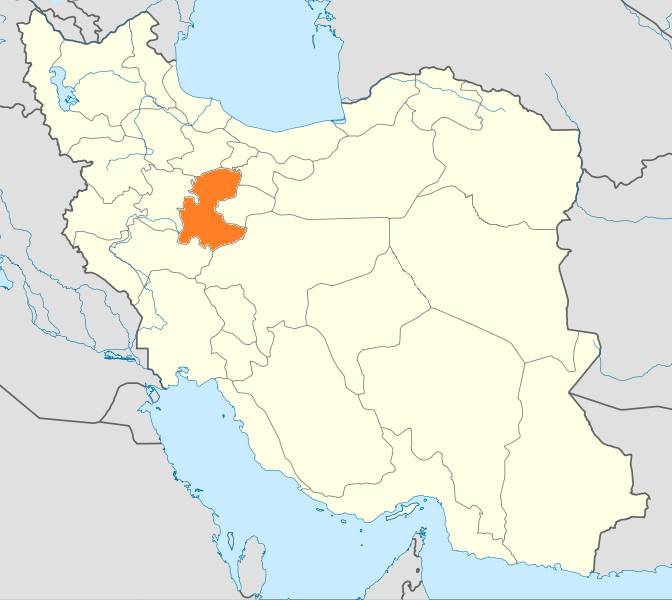


Geography and climate
The landscape of Markazi combines rolling hills, sections of the Zagros foothills and expanses of semi-arid plateau. Elevation and local topography produce a continental climate: cold winters with snow in higher areas and warm, dry summers on the plains. Natural resources and mineral deposits appear in parts of the province, and irrigated agriculture is possible in river valleys and near springs.
Administrative divisions and main cities
Markazi contains a number of important urban centers and smaller towns that serve as local economic and cultural hubs. Among the better known are:
- Arak — provincial capital and an industrial center
- Saveh — historically important market town
- Mahallat — noted regionally for horticulture and mineral springs
- Khomein — a notable birthplace of a twentieth-century national figure
- Delijan, Tafresh, Ashtian, Shazand and other county towns
These cities connect Markazi to broader national road and rail networks and to neighbouring provinces.
History and development
The area of present-day Markazi has been inhabited since antiquity and lay along historic routes that linked western and central Iran. Over centuries it has been influenced by successive Iranian dynasties and local powers. In the modern era the province has been reorganized administratively as Iran's provincial boundaries evolved; some neighbouring territories were separated to form new provinces while Markazi retained its role as a central administrative region.
Economy, culture and uses
Markazi's economy mixes industry, agriculture and traditional crafts. Arak and nearby towns host manufacturing, metalworking and machinery plants, while rural districts produce cereals, fruits, and horticultural goods. Handicrafts such as carpets, pottery and regional textiles remain part of local cultural life. Thermal springs, historical mosques and bazaars draw domestic visitors, and several towns are known for seasonal markets and festivals.
Notable distinctions
As the name implies, Markazi occupies a central position within Iran and plays a connective economic role between larger population centers. It is often cited for its industrial capacity around Arak, for specialized agricultural districts like Mahallat, and for towns with long local histories such as Saveh and Khomein. For further context on how Markazi relates to the national structure, see discussions of Iran and its administrative divisions: Iran and the provinces of Iran.
Related articles
Author
AlegsaOnline.com Markazi Province — central region of Iran Leandro Alegsa
URL: https://en.alegsaonline.com/art/62110