
Ireland: Geography, History, Culture, and Contemporary Overview
Island in the North Atlantic divided between the Republic of Ireland and Northern Ireland. An overview of its geography, history, languages, culture, economy and notable facts.

Ireland is an island in the North Atlantic that occupies a distinct place in European geography and culture. It is divided politically between the sovereign Republic of Ireland, which covers most of the island, and Northern Ireland, which is part of the United Kingdom. The island lies west of Great Britain and is bounded by the Atlantic Ocean to the west and the Irish Sea to the east. Both historic Gaelic traditions and later influences shaped modern Ireland, producing a rich cultural legacy of language, literature, music and sport.
Image gallery
10 Images




Geography and environment
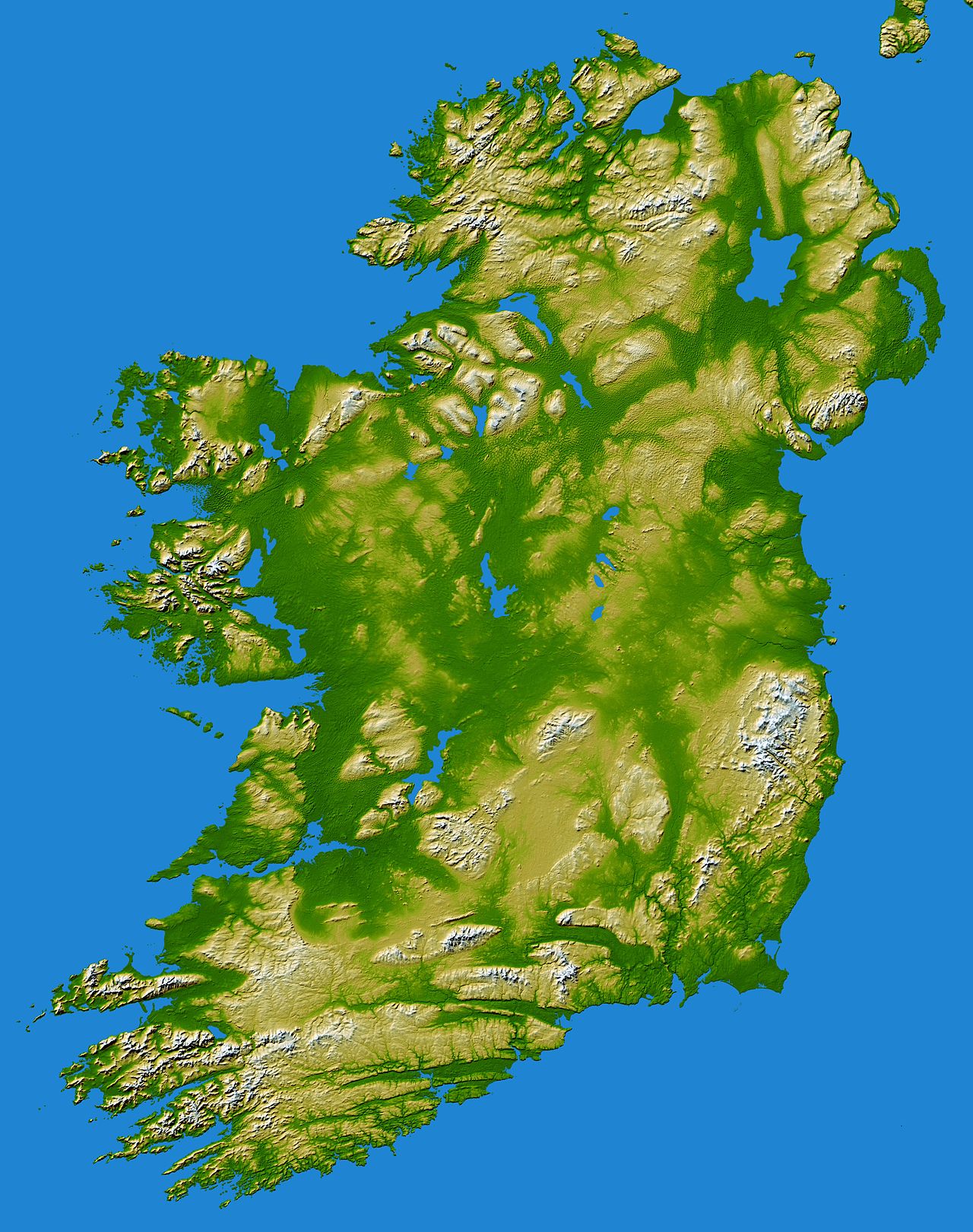
Ireland's landscape includes a mix of low central plains, uplands and a ring of mountains around the coast. Coastal features, bogs and lakes are common, and the climate is temperate with relatively mild winters and cool summers influenced by the Atlantic. The island's size and position in the North Atlantic shape its weather and ecosystems. For readers seeking linguistic context, the Irish name Éire is widely used; geographically the island itself is often referred to as an island in maps and atlases. The surrounding seas include the Atlantic Ocean and, to the east, the Irish Sea, with Great Britain lying across that sea to the east (Great Britain).
History and political development
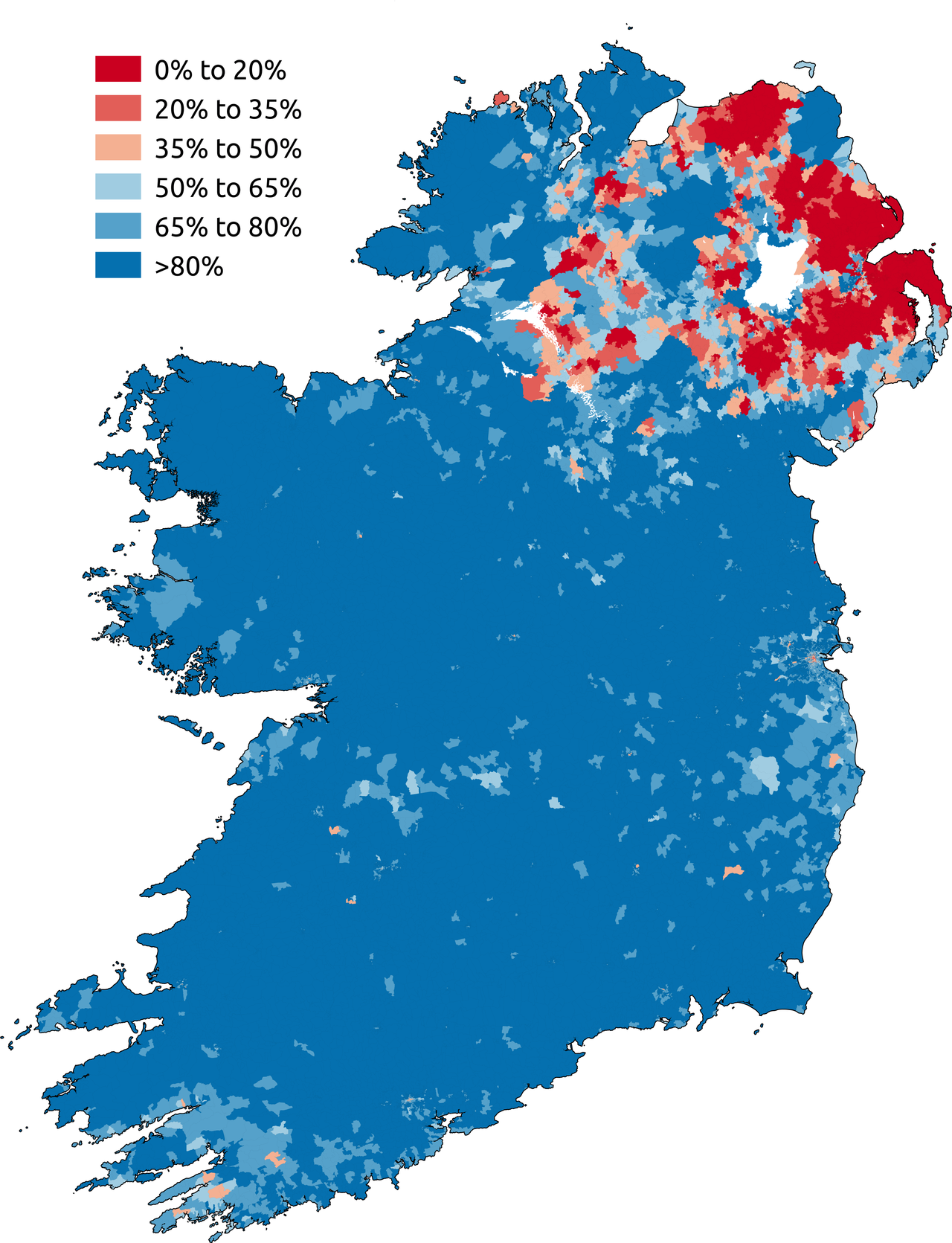
Human settlement in Ireland goes back thousands of years, developing distinctive Gaelic societies before the arrival of Vikings and later Norman settlers. Over centuries, English rule expanded across the island, culminating in complex political, religious and social changes. In the early 20th century most of the island gained independence as the Irish Free State and later the Republic of Ireland, while six northeastern counties remained within the United Kingdom as Northern Ireland. The latter half of the 20th century saw conflict and political negotiation; a major peace agreement in 1998 helped reduce violence and established frameworks for cooperation between communities and governments.
Culture, language and society
Ireland has two principal modern languages: English is predominant, while Irish (Gaelic) retains official status and cultural importance. Traditions such as Gaelic games, folk music, storytelling and a prominent literary tradition (poetry and prose) contribute to a strong international reputation. Irish emigrants and their descendants form a large diaspora across the United States, Britain, Australia and elsewhere, which has amplified Ireland's cultural influence worldwide.
Economy and contemporary significance
The contemporary economy blends agriculture, services, technology and tourism. Cities, notably Dublin, are centers for finance, higher education and multinational technology firms, while rural areas remain important for farming and tourism. Ireland's membership in international institutions and its role as a bridge between the European Union and English-speaking countries add to its modern significance.
Notable facts and distinctions
- Political division: Republic of Ireland vs. Northern Ireland (part of the UK).
- Languages: Irish (Gaelic) and English with regional use of Ulster-Scots.
- Cultural export: literature, music, and a large global diaspora.
- Distinctive symbols: Saint Patrick, traditional music, and Gaelic sports.
Questions and answers
Q: Where is Ireland located?
A: Ireland is an island in the North Atlantic.
Q: How long and wide is Ireland?
A: Ireland is approximately 486 kilometres (302 miles) long and 288 kilometres (179 miles) wide.
Q: What bodies of water border Ireland?
A: The Atlantic Ocean borders the west side of Ireland, and the Irish Sea borders the east side of Ireland, separating it from Great Britain.
Q: What language do people in Ireland speak?
A: People in Ireland primarily speak Irish and Ulster-Scots.
Q: How many people lived on the island of Ireland in 2016?
A: In 2016, over 6.4 million people lived on the island of Ireland.
Tags
Related articles
Author
AlegsaOnline.com Ireland: Geography, History, Culture, and Contemporary Overview Leandro Alegsa
URL: https://en.alegsaonline.com/art/48130
Sources
- nationsencyclopedia.com : "Location, size, and extent - Ireland - located, area"
- cso.ie : "Census 2016 Summary Results"
- nisra.gov.uk : "2017 Mid Year Population Estimates for Northern Ireland"
- cso.ie : "Irish Language and the Gaeltacht - CSO - Central Statistics Office"
- treaties.un.org : "League of Nations Treaty Series"
- irishexaminer.com : "Dublin's population could grow by 150k in three years - adding pressure to housing market"
- ukpopulation2019.com : "Population Of Belfast 2019"
- ninis2.nisra.gov.uk : "Census 2011 Population Statistics for Armagh Settlement"
- census.cso.ie : "Census 2016 Sapmap Area: Settlements County Cork City"
- ninis2.nisra.gov.uk : "Population Estimates for Derry Local Government District"
- sportireland.ie : "Minister O'Donovan Launches Irish Sports Monitor Report"
- dttas.ie : Sports Capital Programme 2017 Review
- irishtimes.com : "Gaelic football is most attended sport, according to Sports Council survey"