
Irony: types, uses, and distinctions
Irony is a rhetorical and literary device highlighting a contrast between expectation and reality. This article explains its forms, history, functions in literature and everyday speech, and how it differs from sarcasm.
Irony is a technique that highlights a contrast between what is expected and what actually occurs. In language and literature it often creates surprise, humor, criticism, or tension. As a recognized figure of speech, irony appears across genres and media: in spoken remarks, dramatic plots, and narrative commentary.
Image gallery
7 Images



Common types
- Verbal irony: saying the opposite of what one means; the speaker’s intent differs from the literal words.
- Dramatic irony: the audience or reader knows information that characters do not, producing suspense or poignancy.
- Situational irony: events turn out contrary to reasonable expectations, as when a safety inspector’s office burns down.
- Cosmic or situational irony of fate: outcomes seem shaped by a blind or hostile force, often used to highlight human limits.
Each type rests on incongruity: a gap between appearance and reality, word and intent, or plan and result. Skilled writers and speakers control that gap to guide readers’ emotional and intellectual responses.
Origins and development
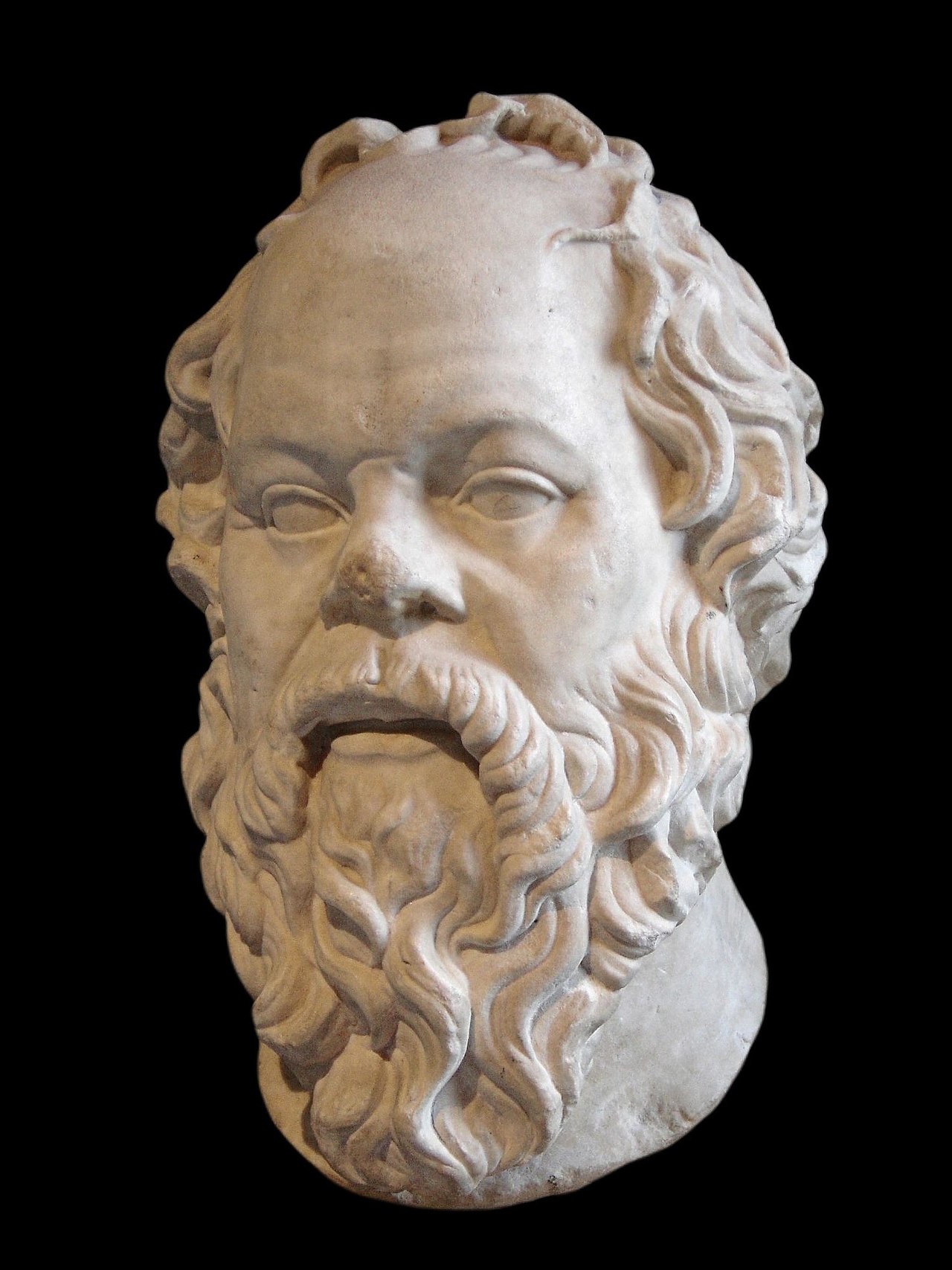
The concept traces to classical rhetoric. One early form, Socratic irony, involved a speaker feigning ignorance to expose another’s error. Over centuries the device expanded into drama, satire, and modern narrative techniques. In contemporary culture irony is widespread in journalism, film, and everyday conversation.
Functions and examples
Irony can amuse, criticize, or deepen meaning. Satirists use it to mock institutions without direct assertion; dramatists use it to create tragic tension when characters act on incomplete information. Everyday examples include saying “What a pleasant surprise” when something goes badly, or a police station being burglarized as an instance of situational irony.
Distinctions and notable points
Irony is often confused with sarcasm, coincidence, and paradox. Sarcasm is typically hostile or derisive and relies on tone; irony need not be biting. Coincidence involves chance without the pointed contrast that characterizes irony. A paradox is a logically self-contradictory statement rather than a rhetorical mismatch between expectation and outcome. Recognizing irony depends on context, cultural norms, and the interpreter’s awareness of hidden contrasts.
Because it relies on contrast and reader interpretation, irony remains a flexible and widely used device for subtle commentary and layered storytelling.
Related articles
Author
AlegsaOnline.com Irony: types, uses, and distinctions Leandro Alegsa
URL: https://en.alegsaonline.com/art/48247
Sources
- rhetoric.byu.edu : "Irony" at Rhetoric.byu.edu