
Hill (landform): definition, formation, uses and distinctions
A hill is a naturally raised area of land smaller and usually less steep than a mountain. This article explains common definitions, how hills form, their uses, ecology, and how they differ from related landforms.
A hill is a raised portion of the Earth's surface that stands above the surrounding terrain but is smaller and often less steep than a mountain. Definitions vary: many sources describe a hill as a summit lower than about 600 metres (2,000 feet), while other schemes use a 300‑metre (1,000‑foot) threshold. These conventions are imprecise and often reflect local language and mapping practices rather than a single global standard. For general reference about classification, see comparative definitions.
Image gallery
10 Images


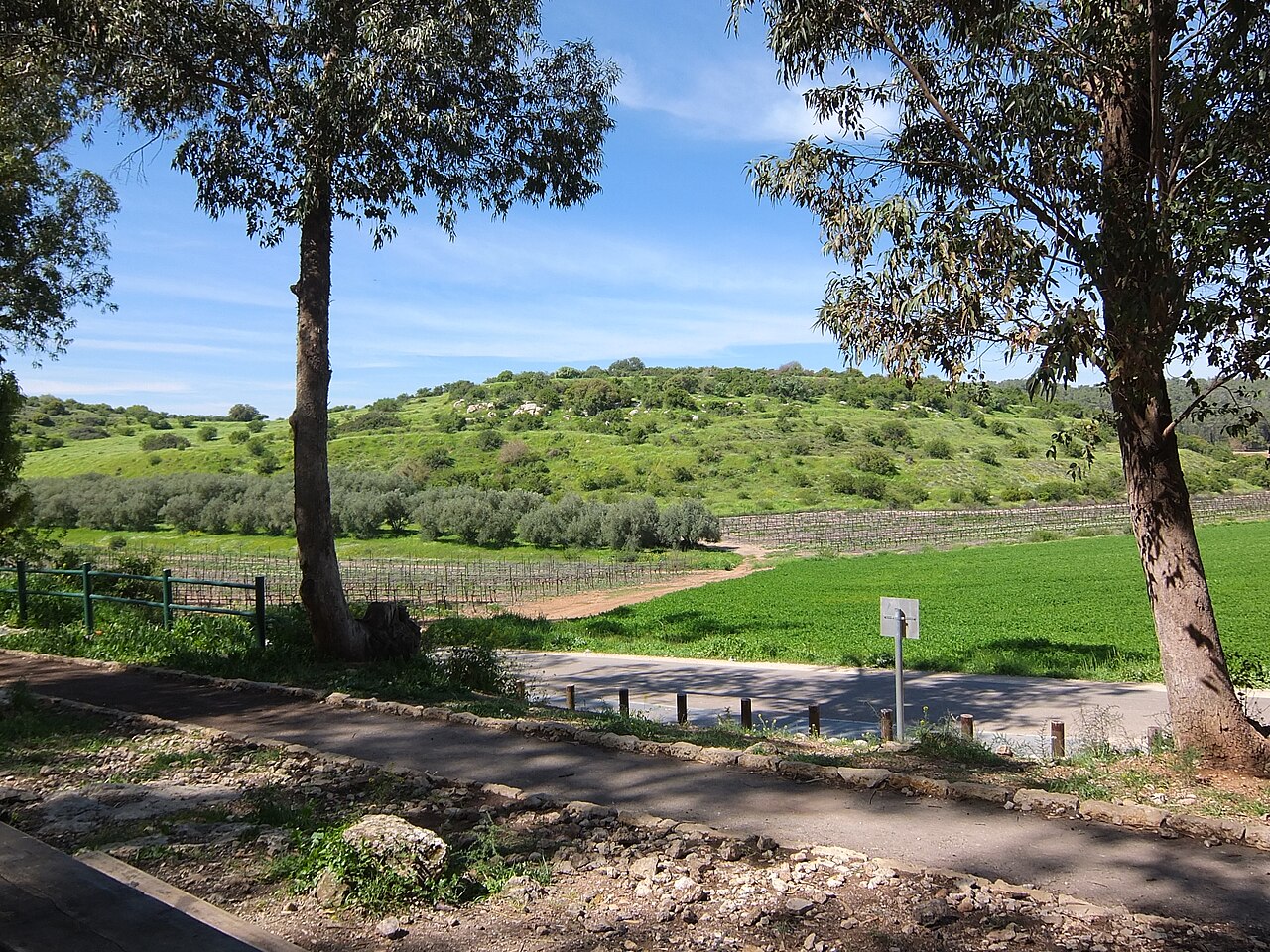


Characteristic features
Hills typically have rounded or gently sloping tops and are composed of the same rocks or soils as the surrounding landscape. They tend to host stable vegetation compared with migrating sand dunes, and their slopes influence local drainage, soil accumulation and microclimate. A hill may be solitary or part of a larger range formed by many adjacent, similarly elevated features.
How hills form
Hills arise through a variety of geological and geomorphological processes. Common mechanisms include:
- Uplift and folding of the crust that leaves smaller ridges or domes;
- Erosion of softer rock around harder rock masses, leaving resistant caps or spurs;
- Glacial deposition, which can create drumlins and hummocks;
- Volcanic activity producing cones and shield outcrops at modest elevations.
Local climate, vegetation and human activity then modify hill shapes over time.
Historical and practical uses
Hills have long been valued by people for practical and strategic reasons. Elevated ground provides natural defensive positions: many ancient and medieval forts, settlements and lookouts were built on hills because of the visibility and advantage they offered. Hills also influence agriculture and settlement patterns—slopes can be terraced for crops, and well‑drained hill soils are used for vineyards and orchards. Modern uses include recreation (hiking, sightseeing), communications and wind power siting where consistent winds occur.
Ecology, hazards and land management
Hills create varied habitats: differences in exposure, soil depth and moisture produce microclimates that support distinct plant and animal communities. Slope stability can become an issue where vegetation is removed; erosion, landslides and runoff are management concerns. Sustainable land use on hills often emphasizes contour farming, reforestation and erosion control measures.
Distinctions and notable facts
Hills are commonly distinguished from mountains and dunes by height, steepness and material. A hill is generally lower and less steep than a mountain and formed of native bedrock or soil rather than wind‑blown sand. For contrastive resources and mapping conventions see classification notes and geomorphology references. Specific local terms — knoll, butte, ridge, drumlin — often describe particular hill shapes or origins.
Because the term "hill" carries regional and cultural meanings, exact boundaries between hills and related landforms are flexible. Nevertheless, hills remain a widespread and important element of terrestrial landscapes, influencing ecology, culture and land use across the globe.
Related articles
Author
AlegsaOnline.com Hill (landform): definition, formation, uses and distinctions Leandro Alegsa
URL: https://en.alegsaonline.com/art/44207