
Marine reserve
A marine reserve is a formally protected area of sea, ocean, estuary or large lake where removal of plants and animals is restricted to conserve biodiversity, enable research, and support sustainable recreation.
A marine reserve is a designated portion of the marine environment—meaning parts of the seas, oceans, estuaries or even large lakes—set aside primarily for conservation and scientific study. In a typical marine reserve legal protections limit or prohibit the taking of animals and plants so ecosystems can recover, persist and be studied (conservation, research).
Image gallery
4 Images


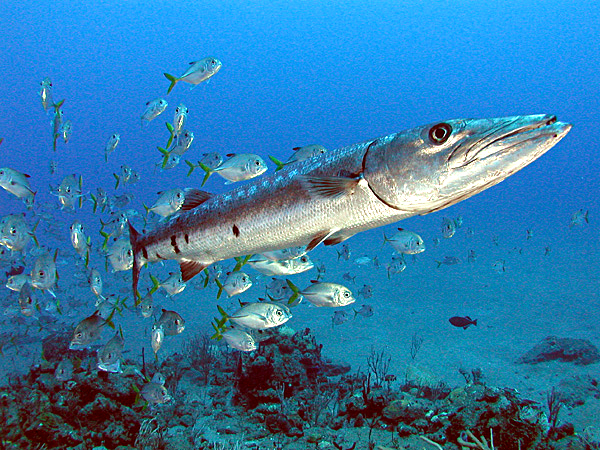
Key characteristics
- No‑take rules: extraction of fish, shellfish, seaweeds and other living resources is normally banned or tightly controlled; this includes commercial and recreational fishing.
- Non‑extractive access: people are often allowed to enter for recreation and education—snorkelling, swimming or scuba diving are commonly permitted when they do not harm habitats (diving and swimming).
- Legal status and management: reserves are established by national or local law, community agreement or other governance arrangements and usually have monitoring and enforcement provisions.
- Scientific focus: many reserves serve as reference sites for long‑term ecological study and help test conservation methods.
The idea of protecting parts of the ocean is rooted in both traditional customary management and modern conservation science. Over the 20th and 21st centuries, countries and communities gradually adopted marine reserves as a complement to fisheries management and coastal planning. Establishment can be driven by biodiversity value, cultural importance, tourism potential or the need to protect nursery and spawning areas.
Benefits and uses
- Biodiversity protection: reserves provide safe havens for species, habitats and threatened life stages, helping to maintain ecological processes.
- Spillover and fisheries support: healthier populations inside reserves can increase catches in adjacent areas through adult movement and larval export.
- Research and monitoring: reserves offer controlled environments where scientists can measure human impacts and natural variability.
- Education and sustainable tourism: they create opportunities for low‑impact recreation that can support local economies.
Regulations vary by site. In many reserves all removal of biological resources is prohibited except under specific scientific permits; enforcement may include patrols, fines and community surveillance. Activities that do not remove organisms—such as watching wildlife, diving and guided tours—are often allowed and managed to reduce disturbance.
Notable examples illustrate how reserves protect different ecosystems. The Ningaloo Reef in Australia combines fringing reef habitats with seasonal migrations and is noted for hosting multiple species of sea turtles (sea turtles). In Central America, the Hol Chan Marine Reserve protects coral reef communities and an adjacent coral reef and mangrove complex, supporting fisheries and tourism while conserving diverse habitats.
Distinctions: a marine reserve is one category within the broader concept of marine protected areas (MPAs). Some MPAs allow limited fishing or extractive use, while a reserve typically represents a stricter, often no‑take, approach intended to maximize conservation outcomes. Effective reserves combine clear rules, stakeholder support, and monitoring to balance protection with sustainable use.
Questions and answers
Q: What is a marine reserve?
A: A marine reserve is a type of marine protected area that is used to protect the plants and animals in seas, oceans, estuaries or large lakes.
Q: What are the laws that protect the plants and animals in a marine reserve?
A: The laws that protect the plants and animals in a marine reserve are used to keep the area safe for conservation and to provide special opportunities for study or research.
Q: What are the things that are allowed and not allowed in a marine reserve?
A: In a marine reserve, people are not allowed to take plants or animals, except for research. This includes fishing. People are still allowed to swim or scuba dive.
Q: Why are marine reserves important?
A: Marine reserves are important because they help protect the marine ecosystem from overfishing and other human impacts, and provide opportunities for research and study of marine life.
Q: What is the Ningaloo Reef in Australia?
A: The Ningaloo Reef in Australia is an example of a marine reserve that includes six of the seven types of sea turtles in the world.
Q: What is the Hol Chan Marine Reserve in Belize?
A: The Hol Chan Marine Reserve in Belize is another example of a marine reserve that includes coral reefs and a mangrove forest.
Q: What is the purpose of a marine reserve?
A: The purpose of a marine reserve is to protect the plants and animals in a given area, and to provide a safe and special environment for research and study of marine life.
Related articles
Author
AlegsaOnline.com Marine reserve Leandro Alegsa
URL: https://en.alegsaonline.com/art/61941