
Manhattan: geography, history, economy and cultural significance
Manhattan, the densely populated central borough of New York City and coterminous with New York County, is a global center of finance, media, culture and tourism with a rich history and distinctive neighborhoods.
Overview
Manhattan is the central borough of New York City and one of the city's five boroughs. It is coterminous with New York County in New York State. Though small in land area compared with the other boroughs, Manhattan is the most densely populated and serves as the economic and cultural core of the New York metropolitan area. Much of the borough sits on Manhattan Island, with a few smaller islands and a mainland neighborhood connected to the Bronx.
Image gallery
10 Images


Geography and neighborhoods
Manhattan's geography is defined by the Hudson River to the west, the East River to the east and the Harlem River to the north. In addition to Manhattan Island, the borough includes islands such as Roosevelt Island and several smaller islets. The neighborhood of Marble Hill is politically part of Manhattan despite being attached to the mainland and bordering the Bronx. Manhattan is commonly divided into Lower, Midtown and Upper Manhattan, with distinct residential, commercial and cultural characters.
History and name
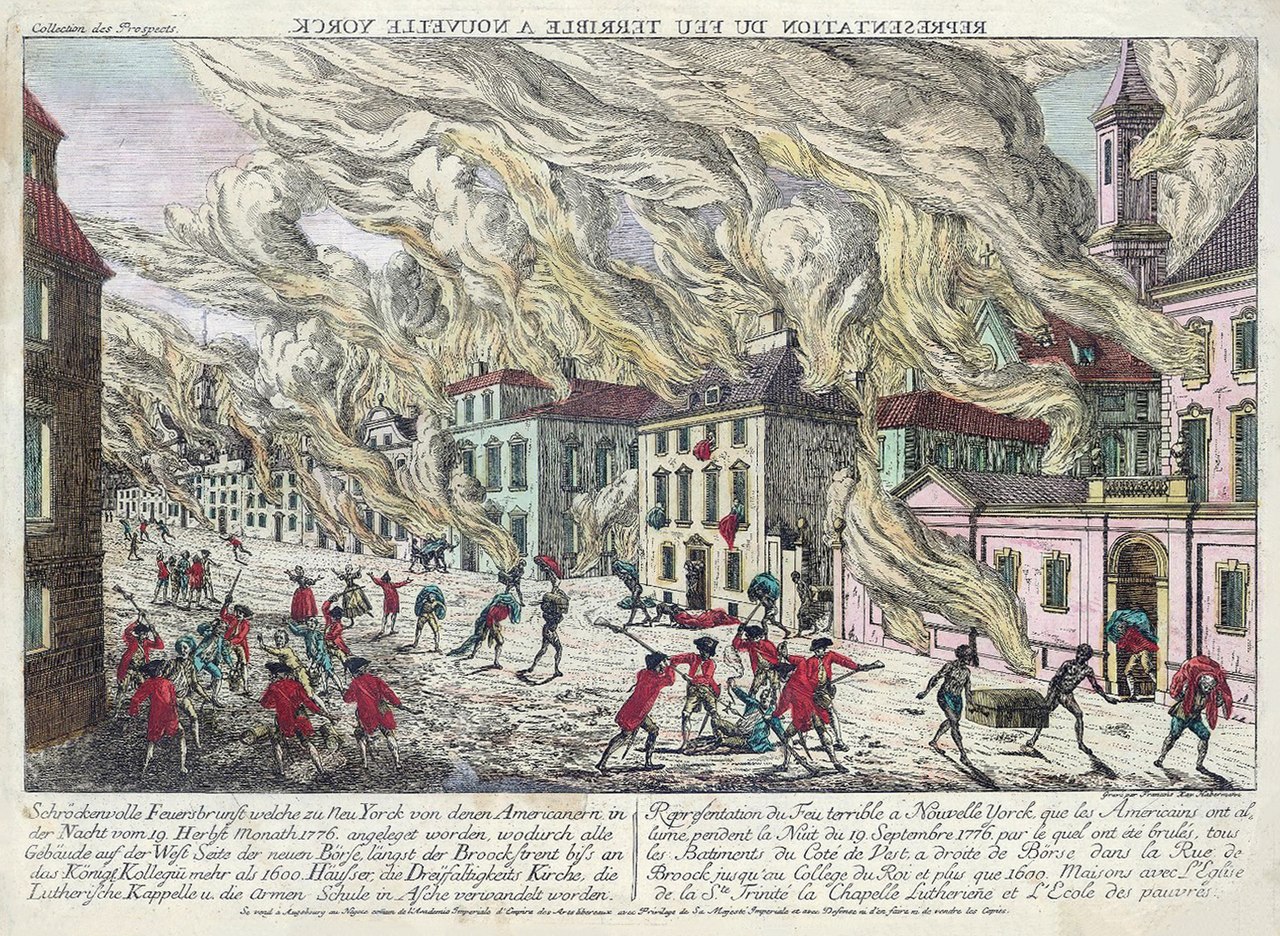
The island's recorded colonial history began with Dutch settlement in the early 17th century, when settlers associated with the Dutch established a trading post named New Amsterdam. Control later passed to the English, who renamed the settlement New York. The name "Manhattan" derives from a Lenape word; scholars offer several plausible translations reflecting native languages and terms for the island and its resources. The early colonial period set the stage for Manhattan's growth as a port and commercial hub.
Economy, media and institutions
Manhattan is a global financial center, home to Wall Street and major stock exchanges, and a concentration of corporate headquarters. It is also a major commercial and cultural center of the United States. The borough hosts many national media organizations and publishers, including companies in radio and television, as well as magazine and book publishing. The presence of the United Nations headquarters contributes to Manhattan's international role.
Landmarks, arts and tourism
Manhattan contains numerous landmarks, museums and cultural institutions that attract visitors worldwide. Prominent examples include Central Park, the theater district around Times Square and Broadway, major museums, and iconic skyscrapers. Public transportation networks, including subways, bridges and tunnels, connect Manhattan to the other boroughs and to the wider region, making it a focal point for commuters and tourists alike.
Distinctive features and notable facts
- Distinct districts: Lower Manhattan is known for finance and historic sites; Midtown is a corporate and entertainment center; Upper Manhattan includes residential neighborhoods and cultural venues.
- Population density: Manhattan's mix of high-rise residential buildings and limited land area produce some of the highest urban densities in the nation.
- Transportation hub: Manhattan's role as a transit nexus includes major commuter rail terminals, extensive subway lines and multiple vehicular crossings to other boroughs.
- International presence: Hosting diplomatic and multinational institutions has given Manhattan a prominent global profile.
For readers seeking further details about Manhattan's neighborhoods, history, institutions and urban planning, follow local resources and official city material for the most current information. Additional background and multimedia resources can deepen understanding of how Manhattan developed into its present global role.
boroughs | New York City | metro area | county | state | density | island | Bronx | Roosevelt Island | Dutch | New Amsterdam | commercial | cultural | United States | television | magazine | book | United Nations
Questions and answers
Q: What is Manhattan?
A: Manhattan is one of the five boroughs that make up New York City, and is the center of the New York metropolitan area. It is also located over the same area as a county of New York state called New York County.
Q: Where does the name "Manhattan" come from?
A: The name Manhattan comes from the Munsi language of the Lenni Lenape meaning island of many hills. Other theories say that it comes from one of three Munsi words. "Manahactanienk" meaning "place of inebriation", "manahatouh" meaning "a place where wood is available for making bows and arrows", or "menatay" meaning simply "the island."
Q: What makes Manhattan an important commercial, financial, and cultural center?
A: Most major radio, television, and telecommunications companies in the United States are based there, as well as many news, magazine, book, and other media publishers. Additionally, it has many famous landmarks, tourist attractions, museums, and universities. It also has the headquarters of the United Nations.
Q: How large is Manhattan compared to other boroughs?
A: Although it is smallest borough in terms of landmass size out of all five boroughs that make up New York City, it is still densely populated with people living there.
Q: Who originally owned Manhattan before Dutch settlers bought it?
A: Before Dutch settlers bought what would become known as Manhattan Island from Native Americans they inhabited this land first.
Q: When did Dutch settlers buy what became known as Manhattan Island?
A: The Dutch bought what became known as Manhattan Island from Native Americans sometime during early 1600's when they arrived in America looking for new opportunities to settle down and start their own colonies here on this side of Atlantic ocean .
Related articles
Author
AlegsaOnline.com Manhattan: geography, history, economy and cultural significance Leandro Alegsa
URL: https://en.alegsaonline.com/art/61317
Sources
- lat-long.com : "Borough of Manhattan, New York - Map and Latitude Longitude GPS Coordinates"
- books.google.com : "Letters from New-York"
- nytimes.com : "New York Times: A Nation Challenged: In New York; New York Carries On, but Test of Its Grit Has Just Begun"
- nytimes.com : "New York Times: When He Was Seventeen"
- nps.gov : "Dutch Colonization"
- usgennet.org : "The History of New York State: Book I, Chapter III"
- iisg.nl : "Value of the Guilder / Euro: Comparing the purchasing power of the guilder from 1450 to any other year"
- ushistory.org : "10a. Stamp Act Congress"
- books.google.com : "The New York Civil List"
- ushistory.org : "11. The American Revolution"
- washington-heights.us : "History of WaHI: Evacuation Day"
- eyewitnesstohistory.com : "The Inauguration of George Washington, 1789"
- archives.gov : "Exhibit: President George Washington's Inaugural Address"
- library.thinkquest.org : "Immigration: The Italians"
- books.google.com : Polish refugees and the Polish American Immigration and Relief Committee