
United Nations
Intergovernmental organization founded in 1945 to promote peace, development, human rights and international cooperation; today it brings together 193 member states and many specialized agencies.
Overview
The United Nations (UN) is an intergovernmental organization created to foster international cooperation and prevent large-scale conflict. Established by the UN Charter in 1945, the organization brought together an initial group of 51 states and has grown to 193 member states. The UN maintains a permanent headquarters in New York and convenes diplomats and national representatives to address cross-border issues and set common standards.
Image gallery
10 Images




Main purposes
- Maintain international peace and security through diplomacy, mediation and, where authorized, peacekeeping operations.
- Promote human rights, the rule of law and international justice.
- Coordinate international development, humanitarian assistance and public health efforts.
- Facilitate international cooperation on economic, social and environmental challenges.
Structure and principal organs
The UN has several principal bodies that share responsibility for its work. These include:
- General Assembly – a deliberative forum where all member states have equal representation.
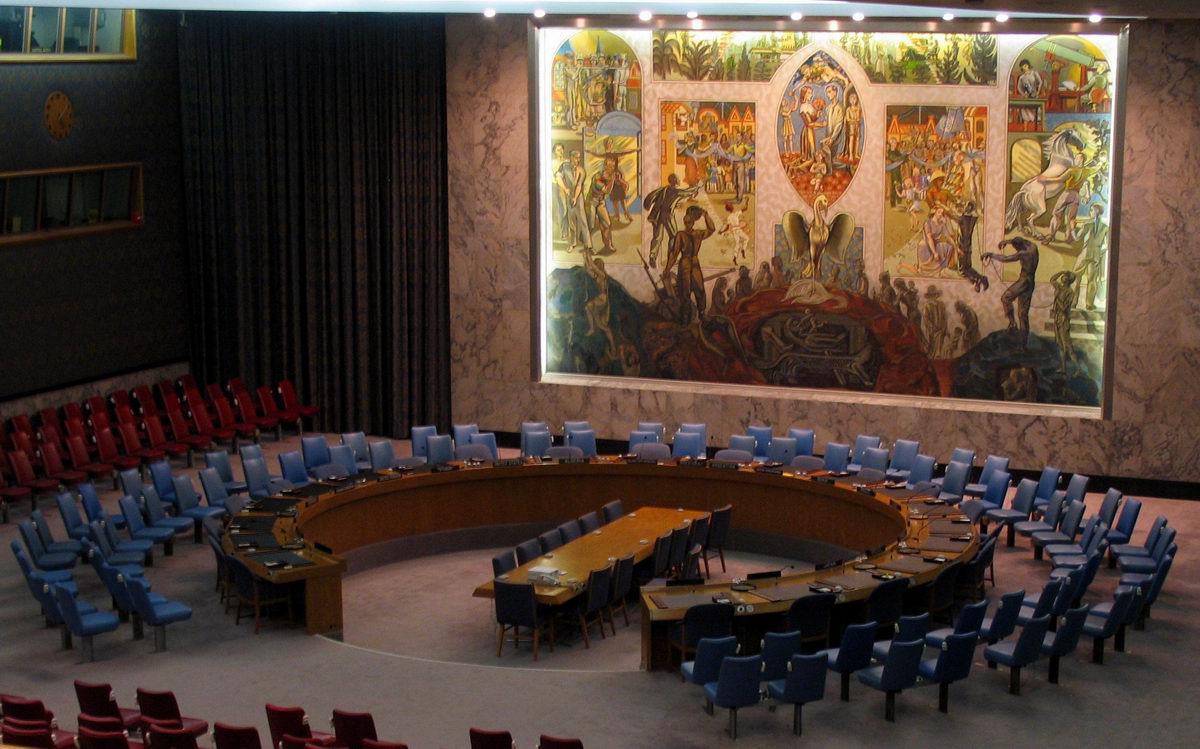
- Security Council – charged with maintaining peace and security; it includes five permanent members with veto power and ten non-permanent members.
- Economic and Social Council (ECOSOC) – coordinates economic, social and related work of the UN and its specialized agencies.
- Secretariat – the administrative arm led by the Secretary-General.
- International Court of Justice – the principal judicial organ for disputes between states.
- Trusteeship Council – largely inactive, originally established to oversee trust territories.
Origins and development
The UN was founded in the aftermath of World War II to succeed the League of Nations and to create stronger machinery for collective security. Delegates drafted and signed the UN Charter in 1945; the Charter came into force on 24 October 1945, a date now observed annually as United Nations Day. The institution has since evolved to confront new global challenges, expanding its agenda beyond security to include development, human rights and environmental issues. See more on its founding and relation to the League of Nations after World War II.
Agencies, activities and examples
The UN system includes specialized agencies and programs that operate worldwide: examples include the World Health Organization (WHO), the United Nations Children's Fund (UNICEF), the UN High Commissioner for Refugees (UNHCR) and UNESCO. These bodies coordinate emergency relief, public health campaigns, refugee protection, education and sustainable development initiatives such as the Sustainable Development Goals (SDGs). The organization’s work relies on contributions and cooperation from its member states and from diplomats and permanent missions accredited to the UN in New York and other offices around the world; more about membership and representation is available via member state records and the role of diplomats.
Notable facts and critiques
The UN has been praised for setting global norms and coordinating relief, but it also faces criticism for bureaucratic complexity, uneven influence among states (notably the Security Council’s permanent members and veto powers), and challenges in enforcing decisions. Official working languages include Arabic, Chinese, English, French, Russian and Spanish. Over decades the UN has remained a central forum where nearly all sovereign states meet to negotiate, cooperate and attempt to manage transnational problems.
Questions and answers
Q: What is the United Nations?
A: The United Nations (UN) is an organization established on 24 October 1945 to promote international cooperation between countries.
Q: Why was the United Nations founded?
A: The United Nations was founded to replace the League of Nations following World War II and to prevent another conflict.
Q: How many members did the UN have when it was founded?
A: The UN had 51 members when it was founded.
Q: How many members does the UN have now?
A: The UN now has 193 members.
Q: What do most nations do as members of the UN?
A: Most nations are members of the UN and send diplomats to the headquarters to hold meetings and make decisions about global issues.
Q: What are the goals of the United Nations?
A: The goals of the United Nations are to promote international peace and security, protect human rights, deliver humanitarian aid, promote sustainable development, and uphold international law.
Q: What issues does the UN make decisions about?
A: The UN makes decisions about global issues such as peace and security, human rights, and sustainable development.
Related articles
Author
AlegsaOnline.com United Nations Leandro Alegsa
URL: https://en.alegsaonline.com/art/102986
Sources
- un.org : Official Languages
- cyberschoolbus.un.org : "Introduction to the United Nations"
- en.wikisource.orgCharter_of_the_United_Nations.html : Charter of the United Nations
- en.wikisource.orgCharter_of_the_United_Nations : Chapter III