
Television: technology, history and everyday uses
Comprehensive overview of the television as a consumer device: components, display types, transmission methods, historical development, common uses and practical considerations for modern sets.
Overview
A television is an electronic device that displays moving images with synchronized sound for entertainment, information and education. In everyday usage the term can mean the complete receiver, including tuners, speakers and user controls, or simply the display panel. A set converts incoming broadcasting signals and other sources into visible pictures and audible sound. The name combines the Greek root tele ("far") with vision ("sight"). Older designs led many people to call the appliance a box, a habit that persists despite modern flat panels.
Image gallery
10 Images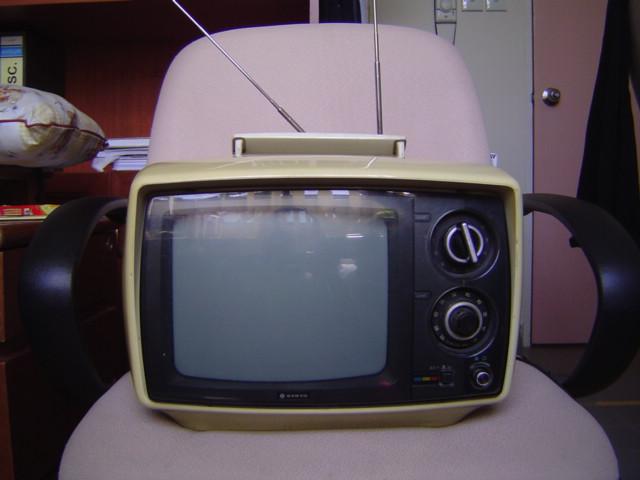


Main components and function
Physically a television includes a screen or display module, a cabinet or chassis, power supply and electronics for receiving and processing signals. Earlier projection systems and some specialty models used sets of lenses to form images. Internal circuitry handles tuning, demodulation, image scaling and audio amplification. External connectors and wireless interfaces allow input from computers, video game consoles and other devices, and many sets serve as a computer monitor for productivity and gaming.
Display technologies and image characteristics
Display technology moved from bulky vacuum tubes to compact flat panels. For much of the 20th century the cathode ray tube (CRT) dominated and required deep cabinets that often became part of household furniture. Early CRTs produced black and white images until color systems became standard. From the late 20th century onward, flat panel displays such as LCD and OLED made thin sets possible and enabled larger diagonals. These changes encouraged adoption of wider aspect ratios commonly called widescreen, which better match cinema and modern content production. Improvements in panel backlighting, pixel addressing, color processing and contrast performance have continued to refine picture quality.
Sources, connectivity and reception
Television content can arrive from many sources. Traditionally an antenna captured terrestrial transmissions from distant broadcasting stations. Physical media such as VCD and DVD players, or legacy VCRs, supplied recorded material. Cable networks and satellite television offered expanded channel lineups and different business models. Modern sets accept digital terrestrial signals, cable, satellite and internet-delivered streams, and many integrate wireless casting from mobile devices or direct access to apps and online libraries. Video game consoles connect to most televisions and can influence display features such as low latency modes for interactive play.
Transmission formats and the move to digital
Television transmission has shifted from early mechanical experiments to electronic analog systems and, in recent decades, to digital television. Digital transmission and compression have increased available picture resolution, supported multiple program services within a channel and allowed additional data services. Analog transmission (analog television) persists in historical descriptions and legacy equipment but has largely been replaced by digital systems in most regions. The transition affected consumer equipment, broadcast planning and regulatory frameworks.
History and social impact
Experimental television systems were demonstrated in the early 20th century and commercial services expanded in the mid-20th century as production costs fell and picture quality improved. The adoption of color broadcasting, the growth of program networks and the post-war household boom made television a central medium for news, entertainment and advertising. Over decades television shaped public culture, politics and leisure time, while changes in formats and delivery have repeatedly altered viewing habits.
Modern features and smart capabilities
Contemporary sets frequently include networked "smart" functionality: integrated apps for streaming services, web connectivity and voice control. Common modern interfaces include high-definition and ultra-high-definition resolutions, high dynamic range and dedicated ports such as HDMI for high-bandwidth sources. Smart features blur the distinction between traditional television networks and internet-based video, enabling on-demand viewing and personalized recommendations. Some users continue to connect dedicated external players or use a computer or console as the primary content source.
Practical considerations for buyers
When selecting a television, consumers weigh screen size, resolution, panel type, connectivity and smart features alongside price, energy consumption and sound quality. Mounting options, viewing distance and room lighting influence the most suitable size and technology. Repairability and long-term software support are practical concerns for owners of smart sets. Energy efficiency and environmental disposal are increasingly important as sets become larger and more sophisticated.
Maintenance, safety and accessibility
Basic maintenance includes dusting vents, updating firmware and using recommended cables and surge protection. Older technologies such as CRTs contain high voltages and glass components that present disposal and safety considerations. Modern sets may include accessibility features such as closed captions, audio descriptions and variable text sizes to support inclusive viewing.
Future directions
Ongoing developments focus on improved image fidelity, reduced power consumption, flexible and thinner materials, wider color gamuts and closer integration with internet and home ecosystems. Advances in content delivery, compression and interactive formats continue to change how audiences access programs and how producers design content for multiple screen types.

- television set overview
- screen types and characteristics
- optical and projection elements
- broadcasting signals
- image formation and processing
- audio systems in televisions
- origin of the word tele
- origin of the word vision
- form factor history (the "box")
- cathode ray tube technology
- televisions as furniture
- television networks
- computers and TV integration
- mobile device casting and apps
- watching television on portable devices
- antenna reception principles
- broadcasting stations and coverage
- physical media and legacy players
- satellite and cable systems
- video game consoles
- using a TV as a monitor
- black and white television
- flat panel displays and technologies
- widescreen aspect ratios
- digital television systems
- analog television systems
Note: Linked items point to focused topics for readers who want more technical detail about reception methods, display elements and common interfaces with external devices.
Questions and answers
Q: What is a television set?
A: A television set (also known as a television receiver or televisor or simply a television, TV set, TV receiver or TV) is a machine with a screen or set of lenses that receives broadcasting signals and changes them into pictures and sound.
Q: Where does the word "television" come from?
A: The word "television" comes from the words tele (Greek for far away) and vision (sight).
Q: How did older TVs look like?
A: Older TVs had a large cathode ray tube in a large wooden frame and sat on the floor like furniture.
Q: What can modern TVs show?
A: Modern TVs can show pictures from many television networks, movies from VCD and DVD players or VCRs, Cable TV and Satellite television programs, video game consoles, computers used as monitors, etc.
Q: What color were early 20th century screens?
A: Early 20th century screens were usually black and white which made everything look grey.
Q: What shape do most modern screens have? A: Most modern screens are flat panel displays which are usually flat rectangles with straight edges. This long rectangle looks more like the shape of a movie theatre screen which is called widescreen.
Q: When did digital transmission become more common than analog transmission?
A: Digital transmission became more common than analog transmission in the early 21st century.
Tags
Related articles
Author
AlegsaOnline.com Television: technology, history and everyday uses Leandro Alegsa
URL: https://en.alegsaonline.com/art/96851
Sources
- commons.wikimedia.org : Television sets