
Magazine: overview, characteristics, history, types, and uses
A magazine is a regularly published periodical containing articles, illustrations, and advertising. Covers its form, history, common types, production and distribution, and differences from newspapers and journals.
A magazine is a recurring publication that collects articles, illustrations, photographs and advertising around a particular set of interests or a broad readership. Magazines are a form of periodical — printed or digital — that appear on a regular schedule (weekly, monthly, quarterly, etc.). They differ from books by being serially published and from newspapers by typically having longer intervals between issues and a greater emphasis on features, analysis, and visual design. People commonly read magazines for news, entertainment, professional updates, or hobby information.
Image gallery
8 Images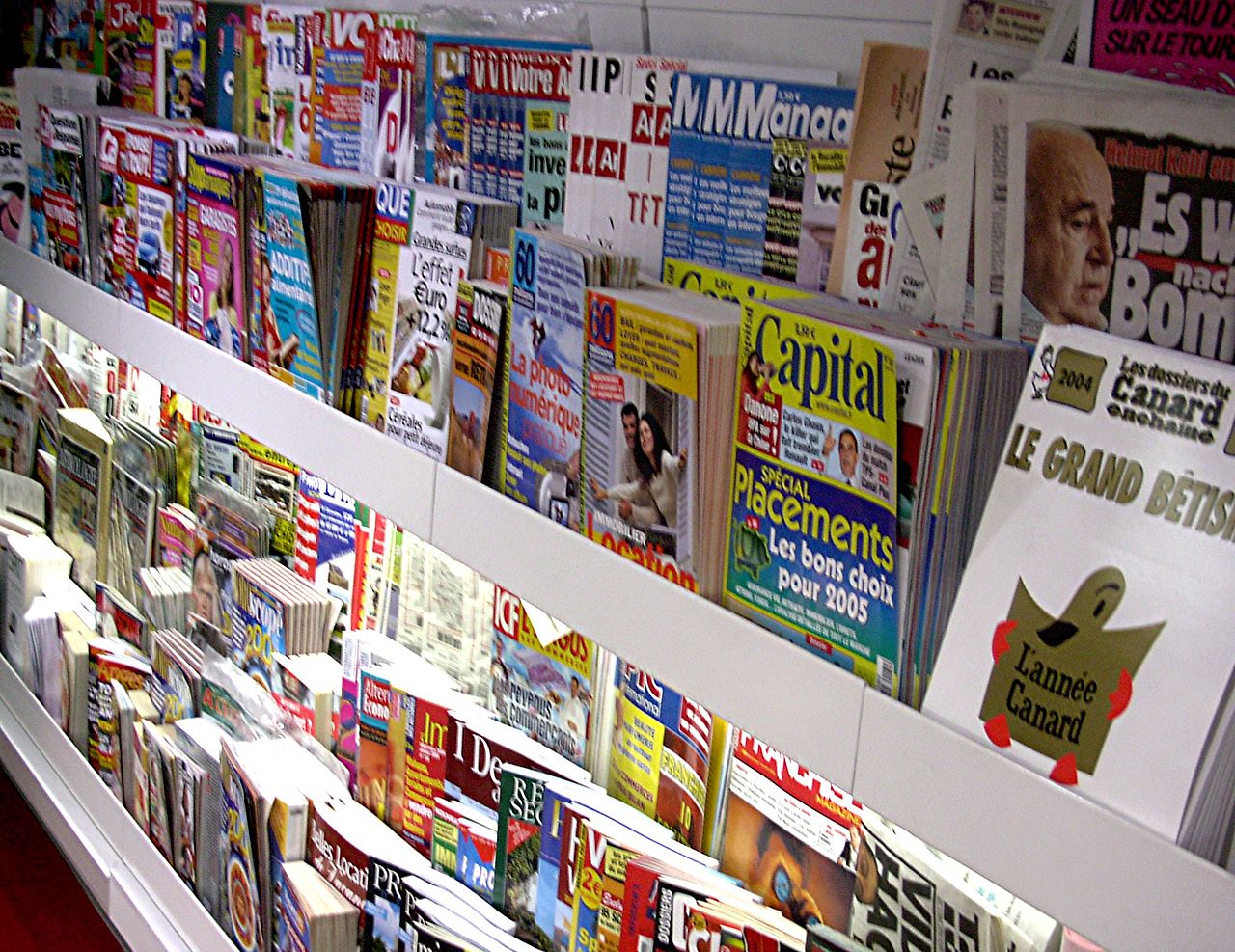


Common characteristics
Most magazines share a number of practical and editorial traits. Physically, consumer magazines are often printed on glazed or coated paper, with color photography and a designed layout that highlights visuals as much as text. Editorially they mix news, feature articles, columns, reviews and opinion pieces. Business models rely on a combination of sales and advertising revenue; many readers obtain issues by single-copy purchase or by subscription.
- Periodicity: regular publication schedule (weekly, monthly, quarterly).
- Format: multi-page, often bound or stapled; print, digital, or both.
- Content mix: features, interviews, reviews, and photo spreads.
- Revenue: subscriptions, newsstand sales, advertising, sponsored content.
History and development
Periodicals began to appear several centuries ago as improvements in printing and distribution made serial publishing practical. Over time magazines evolved from small, text-heavy pamphlets to richly illustrated, mass-market publications that shaped public opinion, popular culture and professional communities. The 19th and 20th centuries saw the growth of illustrated and photojournalistic magazines; later the rise of television and the internet prompted many titles to add digital editions, apps and online archives while some niche and trade magazines continued to serve specialized audiences.
Types and examples
Magazines cover a wide range of subjects and audiences. Major categories include consumer general-interest magazines, news and current affairs titles, trade or professional journals, literary and cultural magazines, hobby and special-interest titles, and academic journals (which are periodicals but follow different editorial and peer-review practices). A widely known example of a news magazine is Time, while many other titles target narrow fields such as fashion, computing, science or gardening.
Distribution, uses and distinctions
Magazines are distributed through newsstands, bookstores, mail subscriptions, libraries and increasingly via digital platforms and apps. They are used for information, opinion, brand-building, professional development and leisure reading. Compared with newspapers, magazines usually have longer lead times allowing for deeper reporting and design-intensive presentation; compared with academic journals, consumer and trade magazines emphasize accessibility and timeliness over peer-reviewed research. Some issues include promotional items or "covermounts" to boost single-copy sales.
Notable distinctions include the editorial balance between advertorial content and independent journalism, the role of photography and illustration in conveying ideas, and the transition many titles face from print-focused production to multiplatform publishing. For further context on how magazines relate to other printed media, see general descriptions of newspapers and the ways publishers offer ongoing access through digital subscriptions and archives.
Related articles
Author
AlegsaOnline.com Magazine: overview, characteristics, history, types, and uses Leandro Alegsa
URL: https://en.alegsaonline.com/art/60559