
Manikganj District — overview, geography, administration, and local life
Manikganj District in central Bangladesh, part of Dhaka Division; an agricultural, riverine district with a rich local culture, seasonal flooding, and close ties to the national capital.
Overview
Manikganj (Bengali: মানিকগঞ্জ) is a district in central Bangladesh, administratively included in the Dhaka Division. The district takes its name from the principal town and serves as a regional centre for markets, administration and transport. The Bengali name and local usage are represented in many place‑names and cultural references; see the native form Bengali: মানিকগঞ্জ for local-language sources.
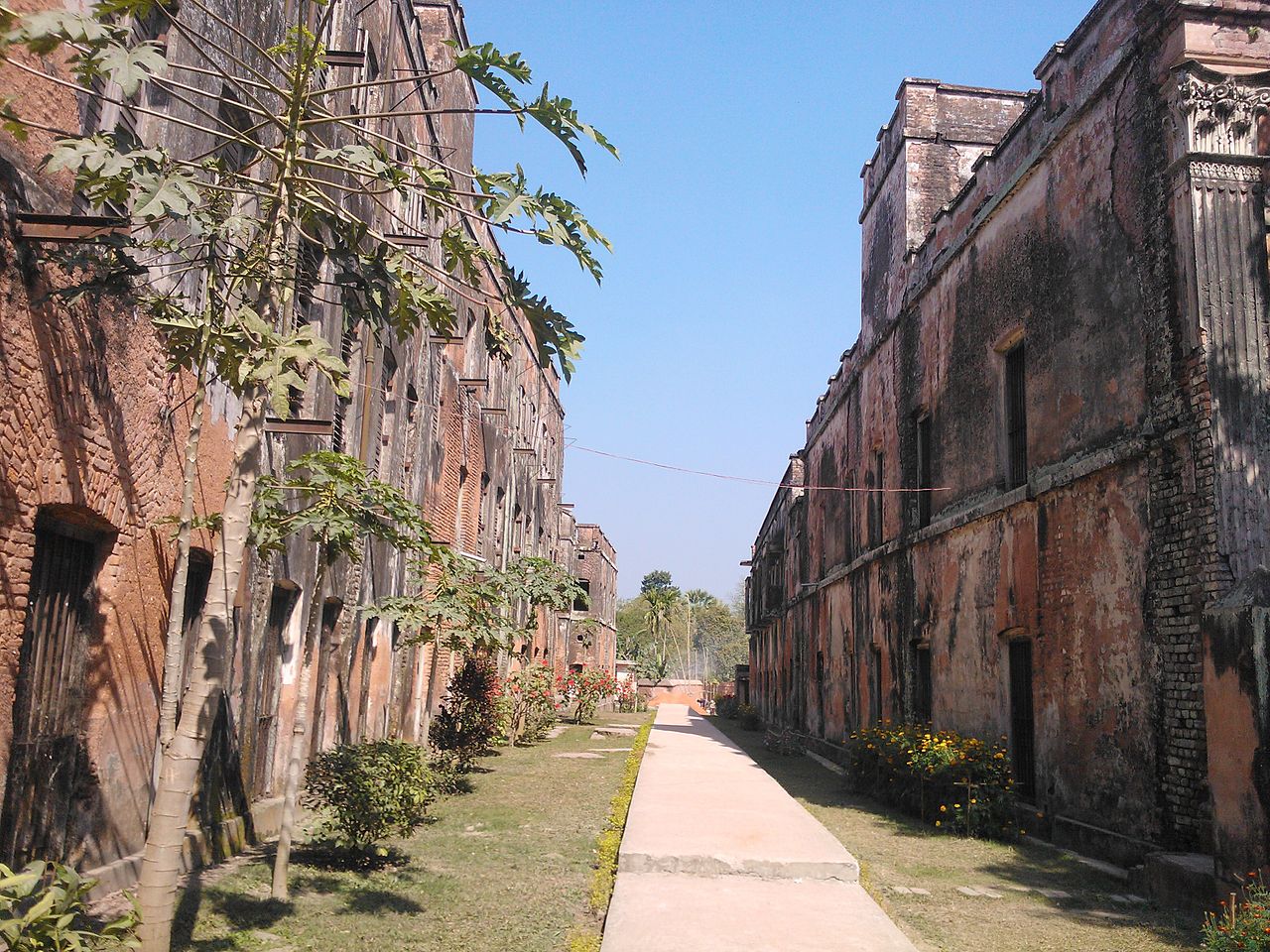
Image gallery
10 Images




Geography and environment
Manikganj lies within the broad alluvial plain of the Ganges–Brahmaputra–Meghna river system. Its landscape is characterised by low-lying polders, floodplains and a network of rivers, canals and seasonal watercourses that influence agriculture and settlements. The district experiences a tropical monsoon climate with a distinct rainy season during which flooding and river erosion can affect communities.
Administration and settlement
The district is organised into sub‑districts (upazilas), each of which contains unions and villages. The principal urban centre is the district headquarters, which provides government services, secondary education and market facilities. Rural villages around the town are generally connected by a mix of paved roads, rural tracks and water routes used by small boats.
History and development
The area now called Manikganj has long been part of Bengal's historical landscape, shaped by pre‑modern trade routes, Mughal governance and later colonial administration. Administrative boundaries and local institutions evolved through the colonial period and after national independence, influencing landholding patterns, irrigation and the growth of local markets.
Economy, culture and daily life
Agriculture is central to the district economy: farmers cultivate rice, seasonal vegetables and other staples, and fishing remains important where waterways are accessible. Small businesses, weekly markets and cottage industries support livelihoods, while cultural life features national festivals such as Pahela Baishakh and Eid alongside local fairs and boat races that mark the riverine calendar.
Notable facts and contemporary issues
- Manikganj's proximity to the capital makes it important for supplying food and goods to urban markets and for commuting connections.
- Seasonal flooding and river erosion present ongoing challenges for infrastructure, housing and agriculture.
- Development priorities commonly include improving road and bridge links, flood resilience, education and health services.
For official statistics, local planning documents and further reading on regional administration and geography, consult government and regional resources via the district's information channels represented here: Dhaka Division, general country overviews at Bangladesh resources, and local-language material indicated by the native name Bengali: মানিকগঞ্জ.
Related articles
Author
AlegsaOnline.com Manikganj District — overview, geography, administration, and local life Leandro Alegsa
URL: https://en.alegsaonline.com/art/61335