
County (administrative division)
A county is a territorial and administrative unit used in many countries. This article explains its origins, typical roles, variations between nations, and how counties function today.
A county is a territorial subdivision used for administration, law, and local government in many parts of the world. The term traces back to medieval titles for nobles who managed regions on behalf of a sovereign, and in some languages the word retains that association origin. In modern usage a county usually lies between a larger state or province and smaller municipalities such as towns or districts relationship to states. The exact meaning and powers of a county vary widely from country to country regional differences.
Image gallery
5 Images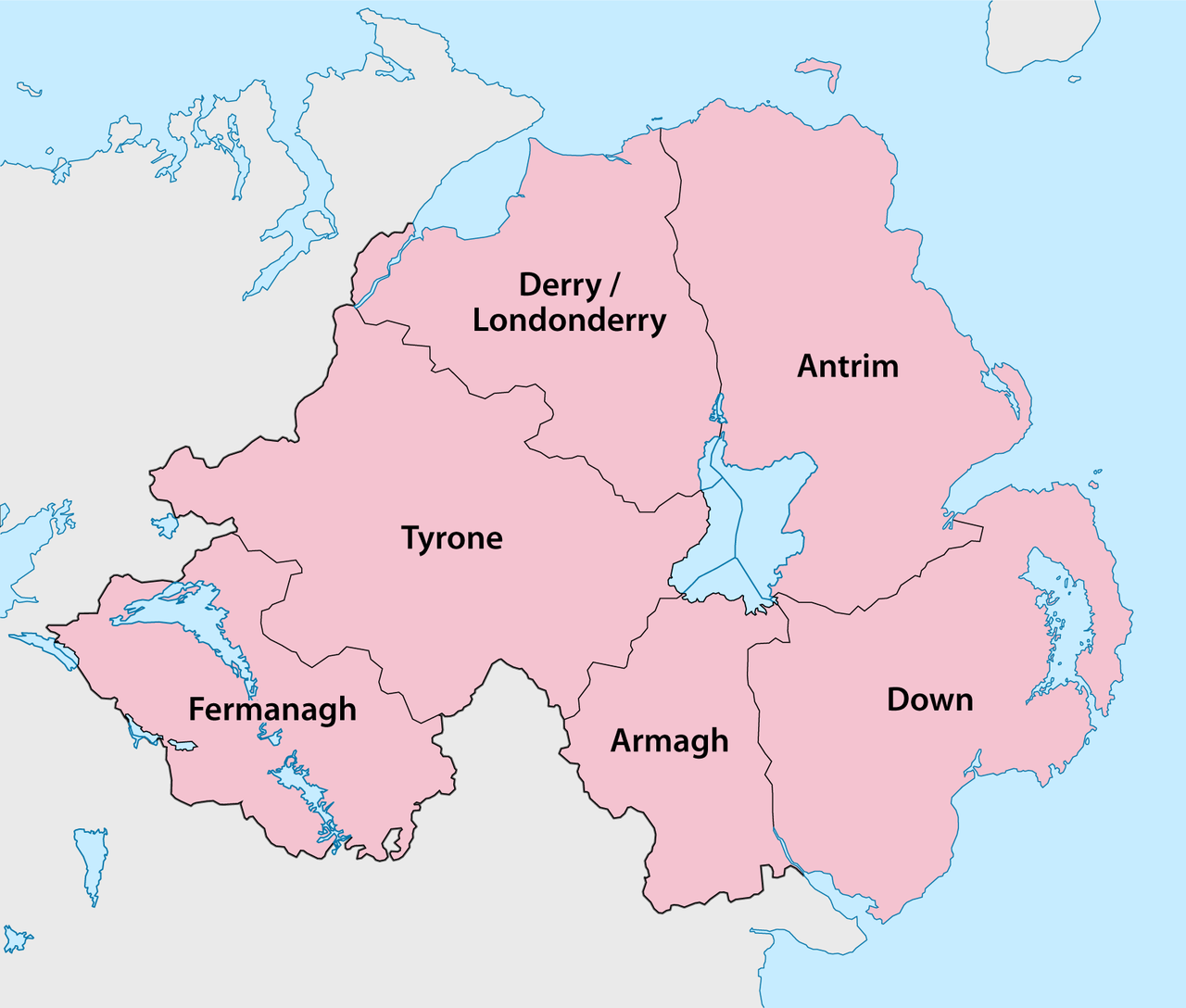


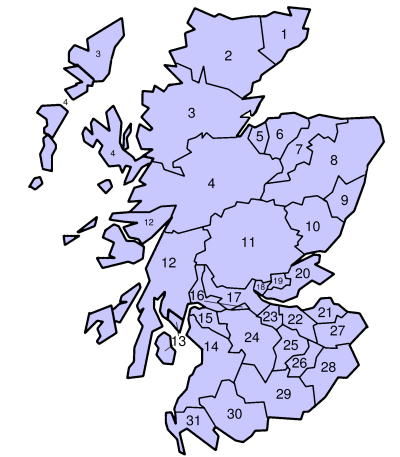
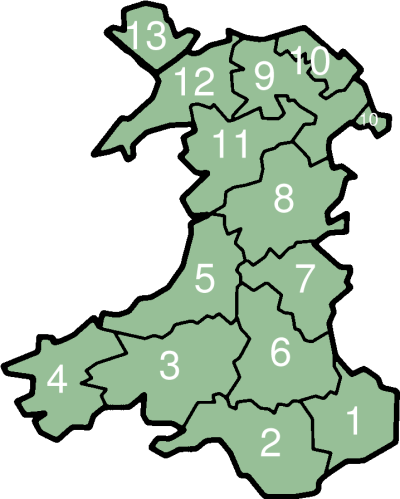
Typical roles and institutions
Counties often provide services that are too large for a town but too local for a central government. Common county responsibilities include record keeping, administration of local courts, management of elections, public safety and law enforcement, maintenance of roads and some public health functions. They also frequently hold responsibilities for land records, property taxation, and local planning. Many counties operate through an elected council or board and maintain a central administrative office or county seat county government.
Structures and variations
There is no single model for a county. Some countries have counties as primary subnational units with strong elected governments, while others use counties mainly for statistical or ceremonial purposes. In certain systems a county is equivalent to a district or prefecture; in others smaller subdivisions such as parishes or townships sit below the county level. Some places have 'county equivalents' that perform the same functions under a different name districts and equivalents.
History and development
The concept developed in medieval Europe, where monarchs granted authority to local nobles who administered justice, collected taxes, and raised forces. Over centuries these territories were reorganized; some retained noble titles in their names (for example earls or counts), while others were converted into modern civil units. Administrative reforms, urbanization, and changes in democratic governance have all shaped the modern county as a unit of public administration historical titles.
Functions in practice
- Legal and judicial: hosting county courts or tribunals and maintaining case records laws and courts.
- Civic administration: running voter registration, elections, and some public services election management.
- Record-keeping: preserving land, birth, marriage, and death records administrative records.
- Infrastructure and planning: maintaining regional roads, zoning, and emergency services local services.
Distinctions and notable points
Some counties are largely ceremonial with limited administrative power, while others exercise substantial local authority. Legal terminology differs: in one country a county may be called a shire, a prefecture, or a province in translation. The seat of county government—often named the county seat or administrative centre—frequently hosts the main courthouse and offices. For comparisons and further detail on specific national systems see comparative references and guides further reading and regional studies terminology guide or overview resources service examples.
Because counties sit at an intermediate scale, they remain important for organizing services, regional identity, and the delivery of government functions outside major cities. For country-specific arrangements and historical tables consult dedicated resources and legal texts administrative lists and institutional websites state relationships or general handbooks on local government elections and administration.
Questions and answers
Q: What is a county?
A: A county is a name for a piece of land that has a local government responsible for keeping records, organizing elections, and enforcing laws.
Q: What was the original meaning of the word "county"?
A: The word "county" originally referred to the land under a count, or earl, in Great Britain.
Q: How does the meaning of the word "county" vary in different languages?
A: The meaning of the word "county" can vary in different languages, as it has different origins and cultural contexts.
Q: What role does the county government play?
A: The county government plays a crucial role in local governance by maintaining records, organizing elections, and passing and enforcing laws.
Q: How does a county differ from a state or town?
A: A county is usually larger than a town or district but smaller than a state, and it has its own local government separate from state or federal authorities.
Q: What is the historical lineage of the word "county"?
A: The word "county" has its origins in feudal Europe, where it was associated with the land controlled by a count or earl.
Q: How does the function of county government differ from state or federal government?
A: County government focuses on local matters like elections, records, and law enforcement, while state and federal governments are concerned with broader issues of policy and governance.
Related articles
Author
AlegsaOnline.com County (administrative division) Leandro Alegsa
URL: https://en.alegsaonline.com/art/23553